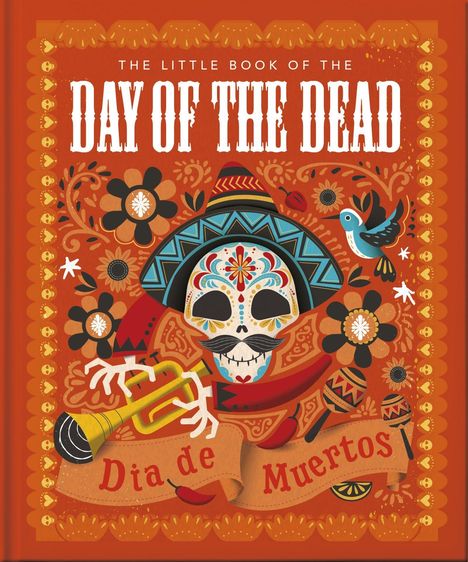
Oh: The Little Book of the Day of the Dead, Gebunden
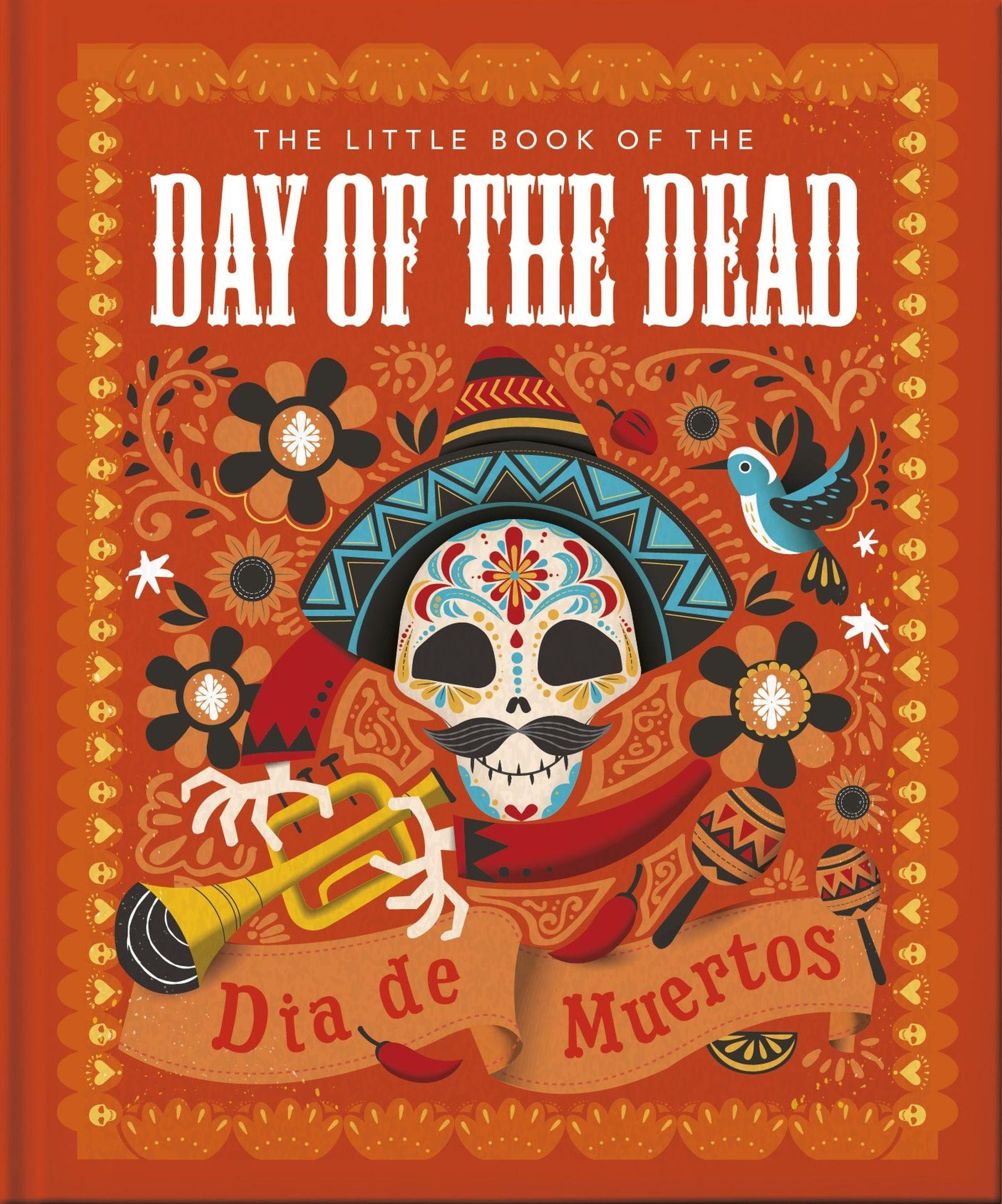
The Little Book of the Day of the Dead
Lassen Sie sich über unseren eCourier benachrichtigen, sobald das Produkt bestellt werden kann.
- Verlag:
- Piatkus, 07/2027
- Einband:
- Gebunden
- Sprache:
- Englisch
- ISBN-13:
- 9781035449842
- Umfang:
- 192 Seiten
- Gewicht:
- 202 g
- Maße:
- 143 x 116 mm
- Stärke:
- 10 mm
- Erscheinungstermin:
- 1.7.2027
- Hinweis
-
Achtung: Artikel ist nicht in deutscher Sprache!
Ähnliche Artikel


Klappentext
The Day of the Dead, or Día de Muertos, is a beloved Mexican holiday that takes place on 1-2 November each year. Honouring ancestors and lost love ones, the holiday is a joyful celebration of death as a part of life rather than something to be feared or mourned.
People believe that on these two days, the spirits of their ancestors return from the land of the dead. Families will place oferendas (offerings) at a candlelit altar, decorated with marigolds, sugar skulls and photos as well as items such as food and the deceased's favourite possessions, to help guide them home. People may also celebrate at one of the many colourful parades, often wearing painted wooden skull masks called calacas or la Calavera Catrina face paint.
Whether you're looking uncover the history of the holiday, better understand its unique indigenous / Catholic roots, or learn more about modern celebrations today - The Little Book of the Day of the Dead is the perfect introduction to this vibrant festival.
SAMPLE QUOTES
"The border between the dead and the living, if you're Mexican, doesn't exist. The dead are part of your life." - Sandra Cisneros, Writer
"Every year, grandkids, cousins, pretty much everyone gets together, even great grandma Coco!" - Miguel, Coco
SAMPLE FACT
La Calavera Catrina, the symbol of the Day of the Dead, was created by Mexican printmaker José Guadalupe Posada in the early 20th century. Over time, through the skeleton's reproduction across art (such as the famous mural by Diego Rivera, husband of Frida Kahlo) and popular culture, she is has become most associated with the Day of the Dead. Both in Mexico and across the globe, Catrina's iconic visage, hat and flowers are reproduced through makeup and costume.