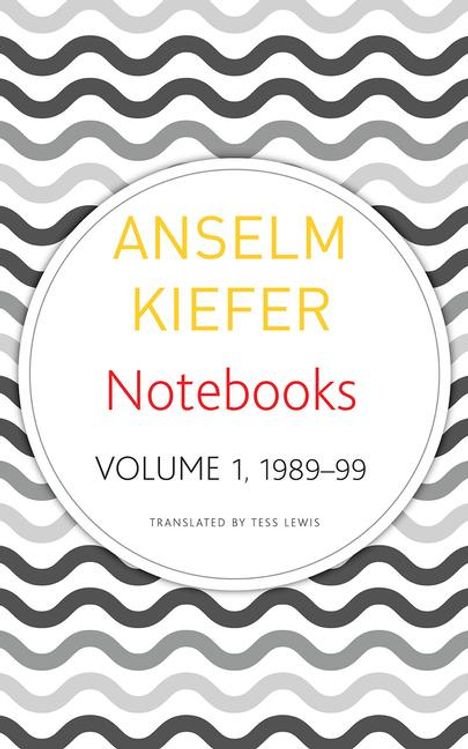
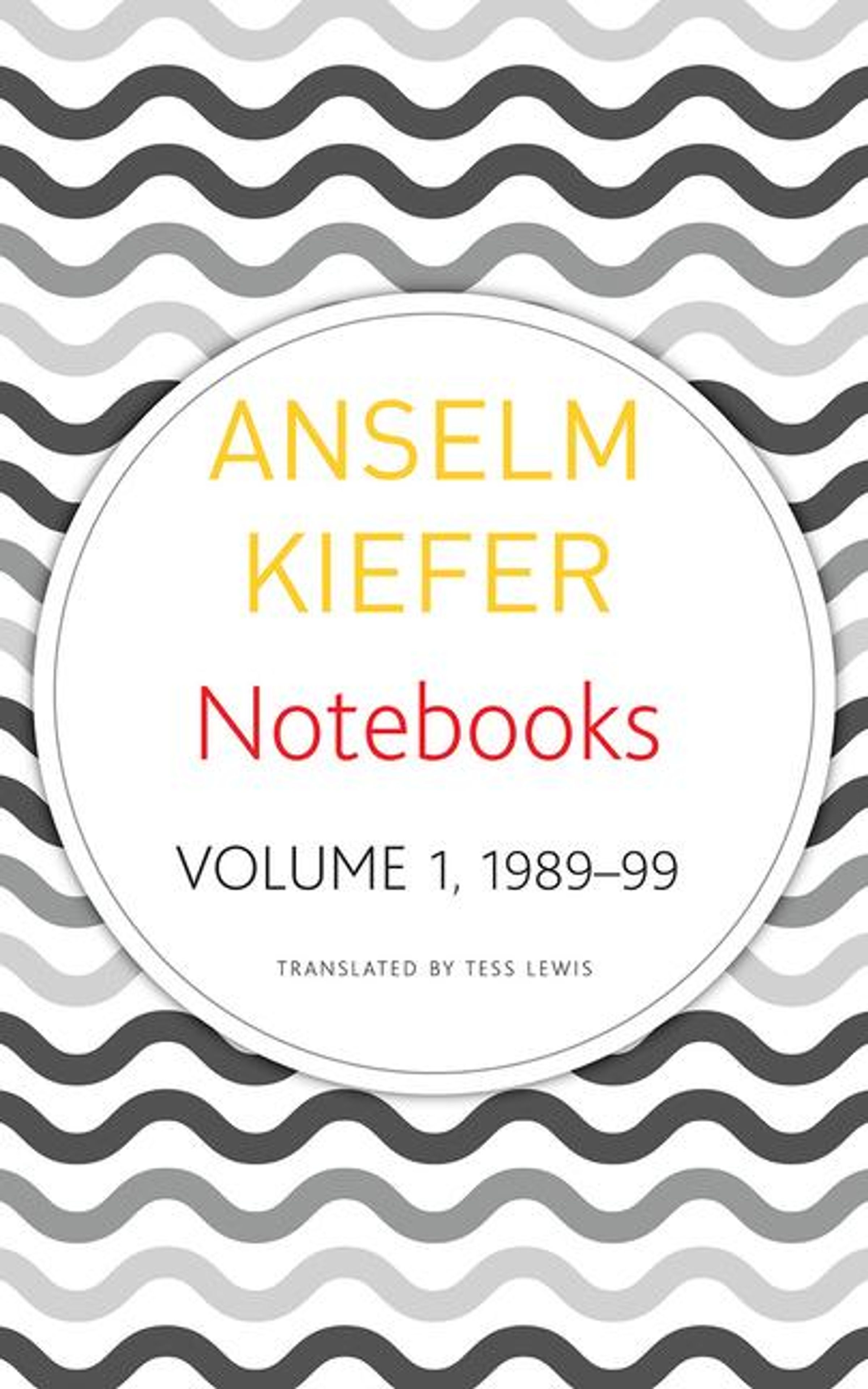
Anselm Kiefer: Notebooks, Volume 1, 1998-99, Kartoniert / Broschiert
Notebooks, Volume 1, 1998-99
- Volume 1
(soweit verfügbar beim Lieferanten)
- Übersetzung:
- Tess Lewis
- Verlag:
- Seagull Books, 11/2019
- Einband:
- Kartoniert / Broschiert
- Sprache:
- Englisch
- ISBN-13:
- 9780857427045
- Artikelnummer:
- 9073410
- Umfang:
- 472 Seiten
- Gewicht:
- 454 g
- Maße:
- 201 x 127 mm
- Stärke:
- 25 mm
- Erscheinungstermin:
- 15.11.2019
- Hinweis
-
Achtung: Artikel ist nicht in deutscher Sprache!
Klappentext
"For a long time, it was not clear if I would become a writer or an artist," says Anselm Kiefer, whose paintings and sculptures have made him one of the most significant and influential artists of our time. Since he was awarded the Peace Prize by the German Book Trade in 2008, his essays, speeches, and lectures have gradually received more attention, but until now his diary accounts have been almost completely unknown. The power in Kiefer's images, however, is rivaled by his writings on nature and history, literature and antiquity, and mysticism and mythology.
The first volume of Notebooks spans the years 1998-1999 and traces the origins and creative process of Kiefer's visual works during this period. In this volume, Kiefer returns constantly to his touchstones: sixteenth-century alchemist Robert Fludd, German romantic poet Novalis, Martin Heidegger, Ingeborg Bachmann, Robert Musil, and many other writers and thinkers. The entries reveal the process by which his artworks are informed by his reading--and vice versa--and track the development of the works he created in the late 1990s. Translated into English for the first time by Tess Lewis, the diaries reveal Kiefer's strong affinity for language and let readers witness the process of thoughts, experiences, and adventures slowly transcending the limits of art, achieving meaning in and beyond their medium.
Praise for Kiefer
"His works recall, in this sense, the grand tradition of history painting, with its notion about the elevated role of art in society, except that they do not presume moral certainty. What makes Kiefer's work so convincing . . . is precisely its ambiguity and self-doubt, its rejection of easy solutions, historical amnesia, and transcendence."--New York Times
"Wordiness for Kiefer is painterliness. The library and the gallery, the book and the frame inseparable, even interchangeable, in his monumental archive of human memory. Not since Picasso's Guernicahave pictures demanded so urgently that we studiously reflect and recollect in their presence."--Simon Schama
Biografie (Anselm Kiefer)
Der Maler und Bildhauer Anselm Kiefer wurde am 8. März 1945 in Donaueschingen geboren. Stationen seines Kunststudiums waren Freiburg im Breisgau, Karlsruhe und Düsseldorf, zuletzt bei Joseph Beuys. Bekannt wurde Kiefer vor allem durch seine Materialbilder. In seinem Schaffen setzt er sich mit der Vergangenheit auseinander, berührt Tabu- und Reizthemen der jüngeren Geschichte, wie auch der NS-Herrschaft. Seine Werke zeichnen sich durch einen dumpfen, fast depressiv wirkenden, zerstörerischen Duktus aus. Meist verwendete Kiefer eine (Farb-)Fotographie als Ausgangsfläche, um sie dann mit Erde und anderen Rohmaterialien der Natur zu "bearbeiten". Charakteristisch für ihn ist, dass man in (fast) allen seinen Gemälden Schriftzüge und Namen von Menschen, Sagengestalten oder geschichtsträchtigen Orten findet. Dies sind verschlüsselte Siglen, wodurch Kiefer die Vergangenheit aufzuarbeiten sucht. Daher wird er oft mit einer als Neuer Symbolismus bezeichneten Stilrichtung in Verbindung gebracht. 2008 erhielt Anselm Kiefer den Friedenspreis des Deutschen Buchhandels.