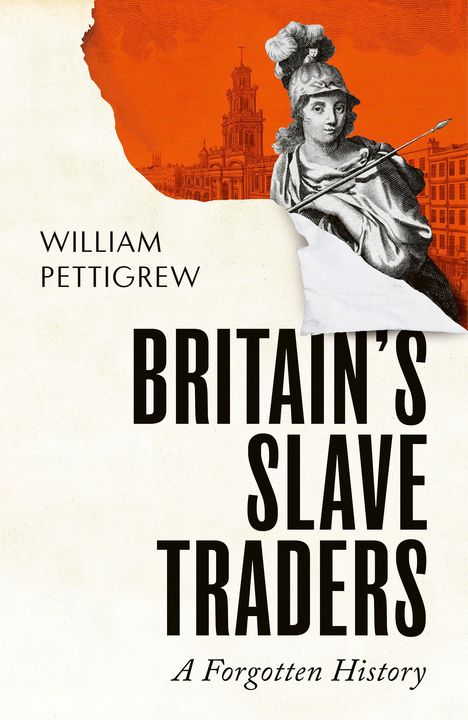
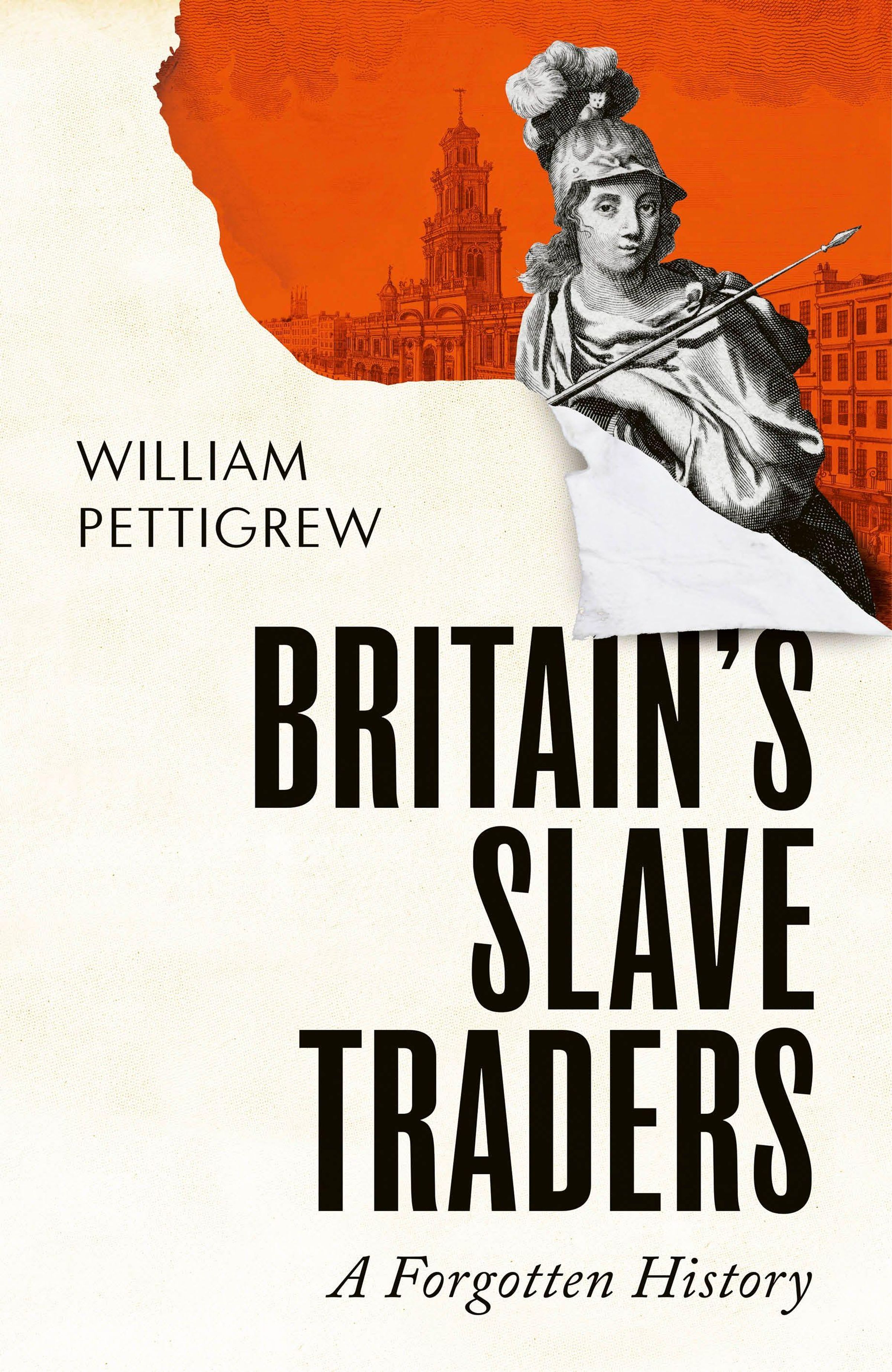
William A. Pettigrew: Britain's Slave Traders, Gebunden
Britain's Slave Traders
- A Forgotten History
(soweit verfügbar beim Lieferanten)
- Verlag:
- Random House UK Ltd, 09/2026
- Einband:
- Gebunden
- Sprache:
- Englisch
- ISBN-13:
- 9781847927903
- Artikelnummer:
- 12646164
- Umfang:
- 400 Seiten
- Gewicht:
- 750 g
- Maße:
- 240 x 156 mm
- Stärke:
- 40 mm
- Erscheinungstermin:
- 24.9.2026
- Hinweis
-
Achtung: Artikel ist nicht in deutscher Sprache!
Klappentext
Since 2021, William Pettigrew has led a team of nine historians in a project to unearth every known investor in Britain's transatlantic slave trade. Drawing on what is now known of these 13, 000 individuals, he has written a new version of Britain's history which transforms our understanding of who these traffickers were and reveals - for the first time - the impact they had on the nation's development during this formative era.
They came from a wide range of backgrounds: plumbers as well as politicians, instrument-makers as well as monarchs, women and immigrants alongside aristocrats and merchants; playwrights, poets and artists, too. They were a tiny minority but their wealth, power and appetite for risk influenced not just Britain's economy but its politics, science, arts and institutions - from the development of the Royal Navy and the restoration of the Stuart monarchy to the emergence of two-party politics, the free press and Parliament itself. They financed wars, shaped modern industry, and built ports, canals and thriving cities, helping make Britain a global and imperial force.
Ironically, their drive to liberate their trade in enslaved people from monarchical monopoly contributed to Britain's reputation as a progressive, freedom-loving nation. In fact, for the British themselves, the slave trade often had a healing effect, resolving tension in the Civil War, binding England and Scotland together after the Act of Union, and offering common cause between rival political factions. It also promoted social mobility and fuelled philanthropy, improving the lives and health of the neediest Britons and leaving a legacy of benefit for generations.
Abolitionists realised that ending the trade would require the quiet erasure of the traders' identities. By restoring them to view and rewriting our national story in light of what that tells us, Britain's Slave Traderscorrects a profound distortion of our past, revealing a previously obscured but vital thread through Britain's history.