W Martin Bloomer: Evoking the Dead, Kartoniert / Broschiert
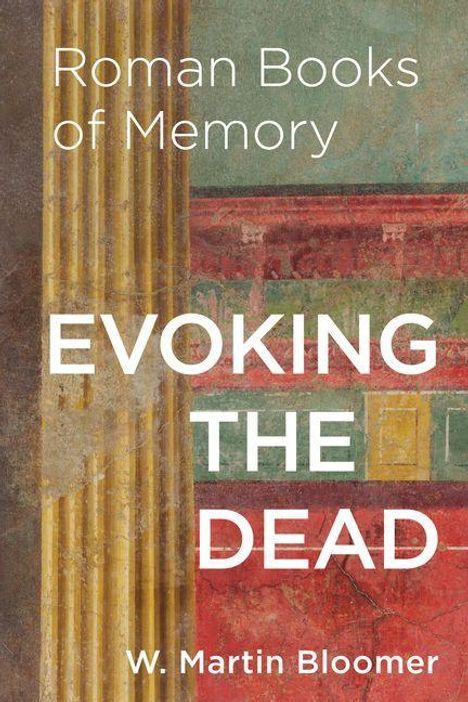
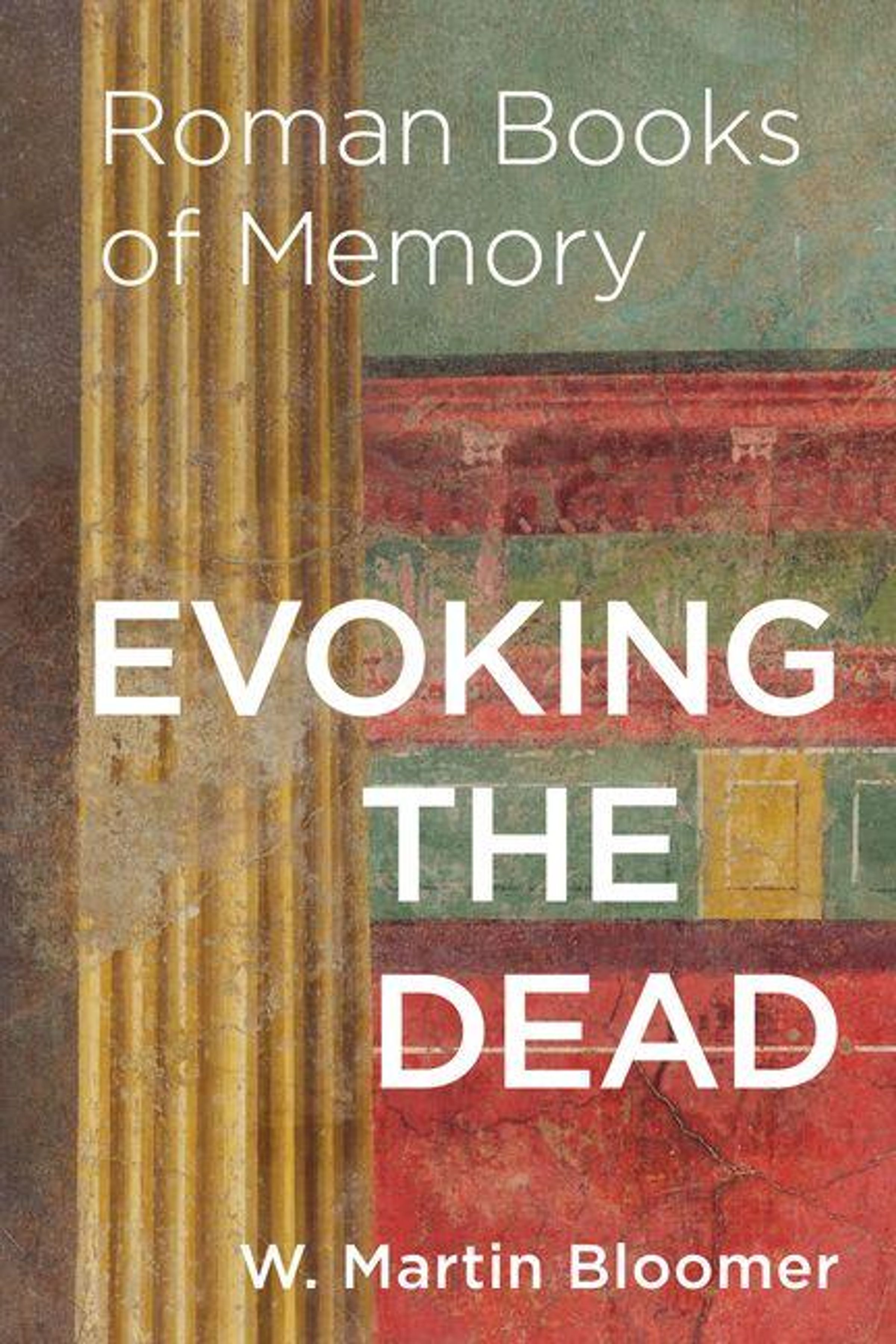
Evoking the Dead
- Roman Books of Memory
(soweit verfügbar beim Lieferanten)
- Verlag:
- Johns Hopkins University Press, 08/2026
- Einband:
- Kartoniert / Broschiert
- Sprache:
- Englisch
- ISBN-13:
- 9781421454856
- Artikelnummer:
- 12617310
- Umfang:
- 240 Seiten
- Gewicht:
- 396 g
- Maße:
- 229 x 152 mm
- Stärke:
- 19 mm
- Erscheinungstermin:
- 11.8.2026
- Hinweis
-
Achtung: Artikel ist nicht in deutscher Sprache!
Klappentext
How Romans built their past--and made it speak. During the turbulent transition from Republic to Empire, Romans became intensely preoccupied with their own past. In Evoking the Dead, W. Martin Bloomer examines how memory was constructed, organized, and put to work in this moment of political uncertainty--and how literature became one of its most powerful instruments. Bloomer focuses on a group of authors writing in the late Republic and early Empire, including Cicero, Varro, Valerius Maximus, Seneca the Elder, and Velleius Paterculus. Rather than narrating history in conventional terms, these writers compiled books of memorable deeds, sayings, names, and words, assembling a usable past meant to stabilize Roman identity. Their works presented memory as something to be learned, curated, and repeated, offering readers a shared repertoire through which to understand citizenship, virtue, and authority. Bloomer shows how these "books of memory" transformed literature itself. By resurrecting figures from earlier Rome through rhetorical techniques that gave the dead a voice, authors claimed new cultural authority and redefined what counted as the Roman past. This process was selective and mutable, sustaining political regimes, social hierarchies, educational canons, and even personal identity, while quietly reshaping them. Attentive to language, rhetoric, and literary form, Evoking the Dead offers a fresh account of Roman memory-making as an active, contested practice rather than a passive inheritance. The book will be of interest to scholars and advanced students of classics, Roman history, literary culture, and memory studies, and to readers interested in how societies use the past to authorize the present.