Vicki Hall: Living Beyond Brain Injury, Gebunden
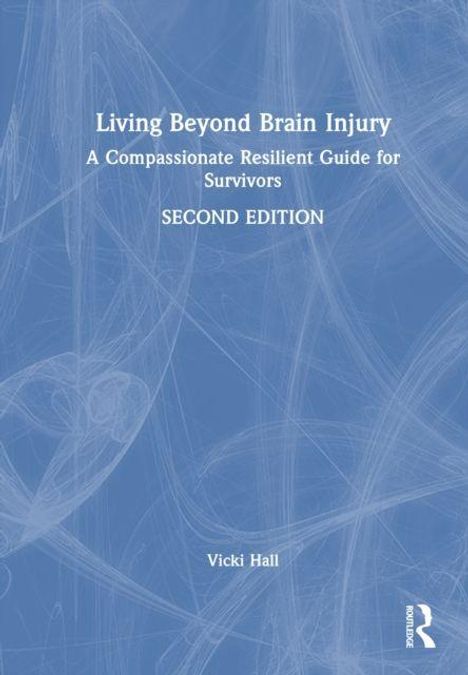
Living Beyond Brain Injury
- A Compassionate Resilient Guide for Survivors
Sie können den Titel schon jetzt bestellen. Versand an Sie erfolgt gleich nach Verfügbarkeit.
- Verlag:
- Taylor & Francis Ltd, 07/2026
- Einband:
- Gebunden
- Sprache:
- Englisch
- ISBN-13:
- 9781032735320
- Artikelnummer:
- 12825503
- Umfang:
- 214 Seiten
- Nummer der Auflage:
- 26002
- Ausgabe:
- 2. Auflage
- Erscheinungstermin:
- 28.7.2026
- Hinweis
-
Achtung: Artikel ist nicht in deutscher Sprache!
Weitere Ausgaben von Living Beyond Brain Injury |
Preis |
|---|---|
| Buch, Kartoniert / Broschiert, Englisch | EUR 52,64* |
| Buch, Gebunden, Englisch | EUR 232,70* |
Klappentext
Living Beyond Brain Injury: A Compassionate Resilient Guide for Survivors is a practical guidebook for people living with brain injury.
Rooted in neuropsychological theory and drawing on cognitive behavioural models, including thirdwave approaches, this book introduces a valuesbased mindset called the Compassionate Resilient Mind (CRM). This balances compassion and resilience to support Brain Injury Survivor's (BIS's) recovery, adaptation and growth.
This book explores common postinjury challenges, such as memory difficulties, fatigue, emotional regulation and changes in identity, using the CRM framework and metaphors to help readers understand what is happening and how to respond. Through the use of practical metaphors, complex neuropsychological processes are made more understandable and easier to work with, supporting insight without overwhelm.
These ideas are translated into action through easytöuse worksheets, clear comparisons and stepbystep strategies that encourage more flexible and compassionate ways of thinking and responding. The CRM framework and metaphors act as shared reference points, helping readers notice unhelpful patterns, practise alternative responses and apply strategies in everyday situations.
This book is for BISs and the professionals who support them, such as clinical psychologists, neuropsychologists, case managers, occupational therapists and rehabilitation support workers, to work together towards lasting recovery and adjustment. Whilst the guidebook can be used independently in some situations, it is most effective when used alongside therapists as a shared, structured resource to support selfunderstanding, navigate setbacks and rebuild a meaningful life.