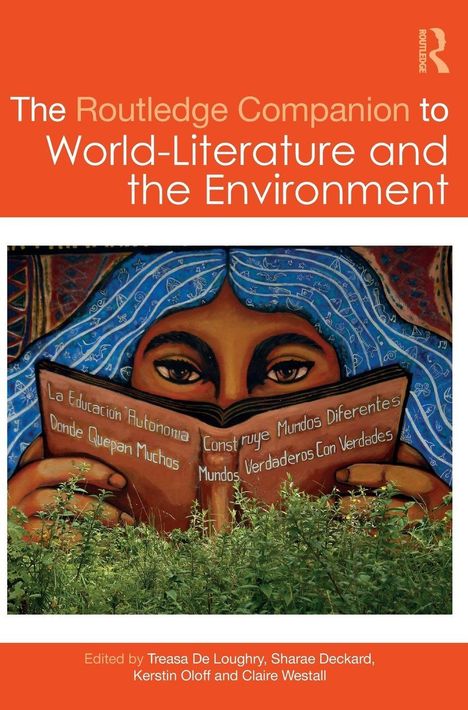
The Routledge Companion to World-Literature and the Environment, Gebunden
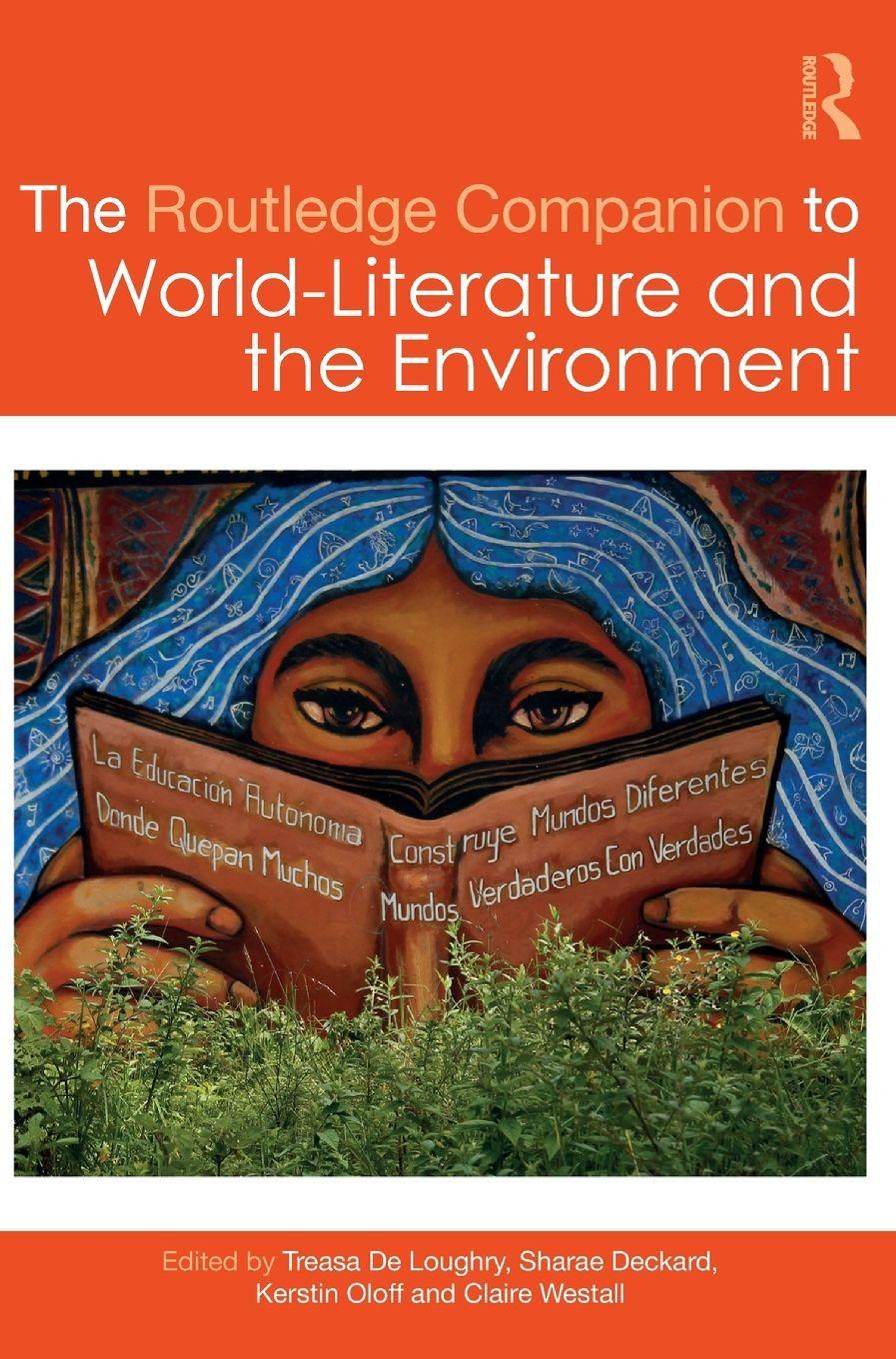
The Routledge Companion to World-Literature and the Environment
Sie können den Titel schon jetzt bestellen. Versand an Sie erfolgt gleich nach Verfügbarkeit.
- Herausgeber:
- Treasa de Loughry, Sharae Deckard, Kerstin Oloff
- Verlag:
- Taylor & Francis Ltd, 07/2026
- Einband:
- Gebunden
- Sprache:
- Englisch
- ISBN-13:
- 9781032010151
- Artikelnummer:
- 12818426
- Umfang:
- 622 Seiten
- Gewicht:
- 453 g
- Maße:
- 244 x 170 mm
- Stärke:
- 33 mm
- Erscheinungstermin:
- 30.7.2026
- Hinweis
-
Achtung: Artikel ist nicht in deutscher Sprache!
Klappentext
The Routledge Companion to WorldLiterature and the Environment takes a broad, global overview of the history, present and potential futures of environmental and literary studies, demonstrating that worldliterature is itself a worldecological force.
Over 36 chapters, the collection moves from early modern imperial activity through to the contemporary climate emergency. This book is organised into seven thematic sections: Commodity Frontiers and Extraction; Fossil Fuel Energetics; Food and Land; Oceans, Fresh Water and Hydropolitics; Disease, Toxicity and Social Reproduction; Emergencies, Wars and Disasters; and Apocalypse and Insurgency. With coverage stretching across Africa, the Americas, Australasia and Oceania, East Asia, the Persian Gulf, South Asia and more, the Companiontakes a multilingual approach, appearing in English yet also tackling texts originally written in world languages including Arabic, Bengali, Chinese, Portuguese and Spanish, as well as texts containing translated elements of Indigenous languages. Chapters examine multiple genres, modes and media, including novels, short stories, poetry, drama, graphic narratives, nonfiction prose and oral literature.
Weaving together ecömaterialist approaches to the aesthetic registration of humanityinnature, the environmental history of capitalism and worldliterary methods of comparativism, this Companion acts as a largescale guide for new readers and researchers interested in postcolonial studies, global or worldliterature, ecocriticism and the environmental humanities. At the same time, it provides an interventionist account of innovative methodological priorities and areas of topical focus for advanced scholars.