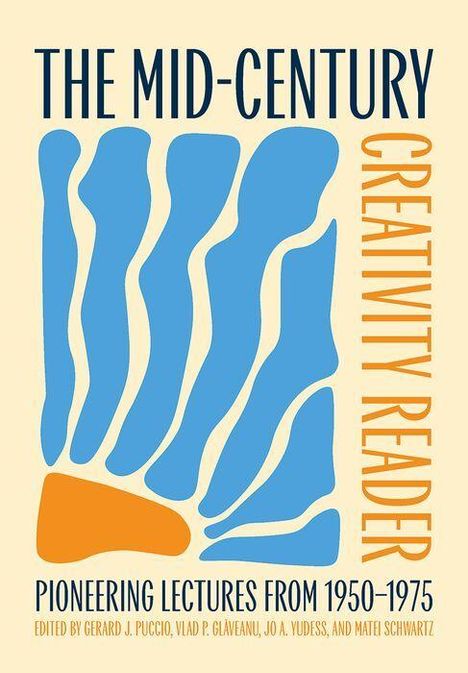
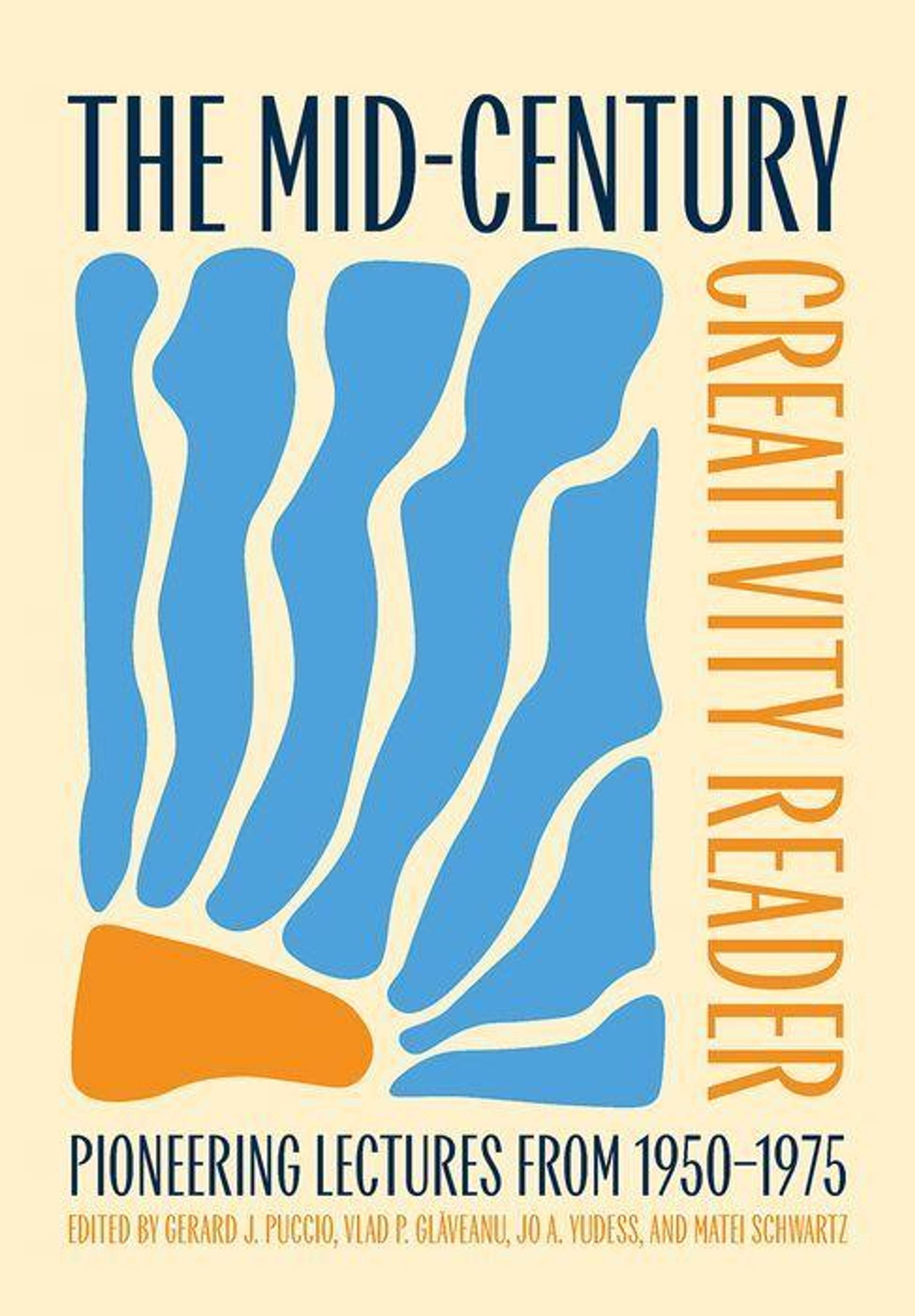
The Mid-Century Creativity Reader, Gebunden
The Mid-Century Creativity Reader
- Pioneering Lectures from 1950-1975
(soweit verfügbar beim Lieferanten)
- Herausgeber:
- Gerard J Puccio, Vlad P Glaveanu, Jo A Yudess, Matei Schwartz
- Verlag:
- Oxford University Press, 10/2026
- Einband:
- Gebunden
- Sprache:
- Englisch
- ISBN-13:
- 9780197834305
- Artikelnummer:
- 12637355
- Umfang:
- 760 Seiten
- Gewicht:
- 1261 g
- Maße:
- 235 x 167 mm
- Stärke:
- 51 mm
- Erscheinungstermin:
- 2.10.2026
- Hinweis
-
Achtung: Artikel ist nicht in deutscher Sprache!
Klappentext
This book uncovers a transformative period in the history of creativity studies, tracing its emergence as a distinct field of inquiry during the pivotal decades from 1950 to 1970. Building on the foundation laid by The Creativity Reader (2018), which explored creativity research from 1850 to 1950, this new volume turns to the mid-20th century to recover the voices, ideas, and debates that helped shape creativity as we know it today.
The book includes 27 never-before-published speeches delivered by pioneering scholars and practitioners at the Creative Problem Solving Institute (CPSI), an annual conference hosted by the Creative Education Foundation. In addition, a number of speeches were drawn from a special creativity program hosted by Cooper Union Forum. These archival recordings, now transcribed for the first time, feature seminal figures such as Alex Osborn and J. P. Guilford whose work laid the intellectual and practical foundations for contemporary creativity research, training, and assessment. The volume also includes views on creativity by other notable mid-century intellectuals such as Joseph Campbell, Moses Hadas, and Gardner Murphy.
Complemented by commentary from today's leading scholars across psychology, education, design, business, and engineering, these primary texts are illuminated through interdisciplinary perspectives that connect past insights to present-day challenges. The volume not only revives foundational creativity theories and methods but also invites readers to rediscover forgotten or overlooked contributions with renewed relevance for the future of creativity and innovation.
This book serves as both a historical recovery and a forward-looking resource. It captures the moment when creativity became a serious subject of academic and practical interest, offering a rare opportunity to engage with the origins of a field that continues to grow in importance. For scholars, educators, and practitioners alike, this collection is an essential reference--one that honors the legacy of creativity's early architects while equipping a new generation to carry their ideas forward.