Struggles for Dignity, Kartoniert / Broschiert
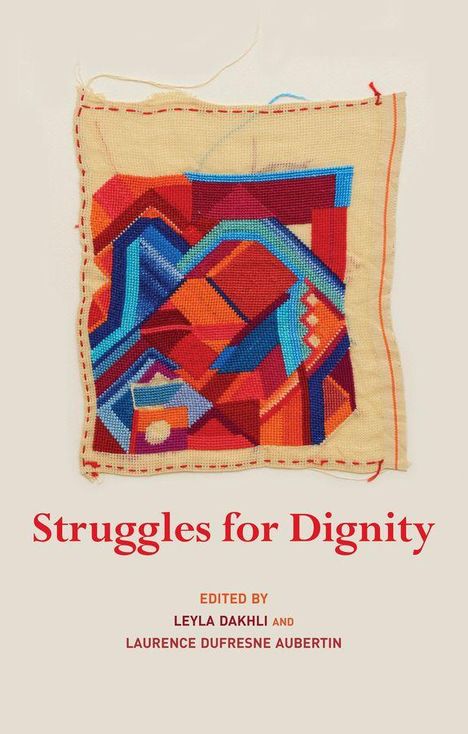
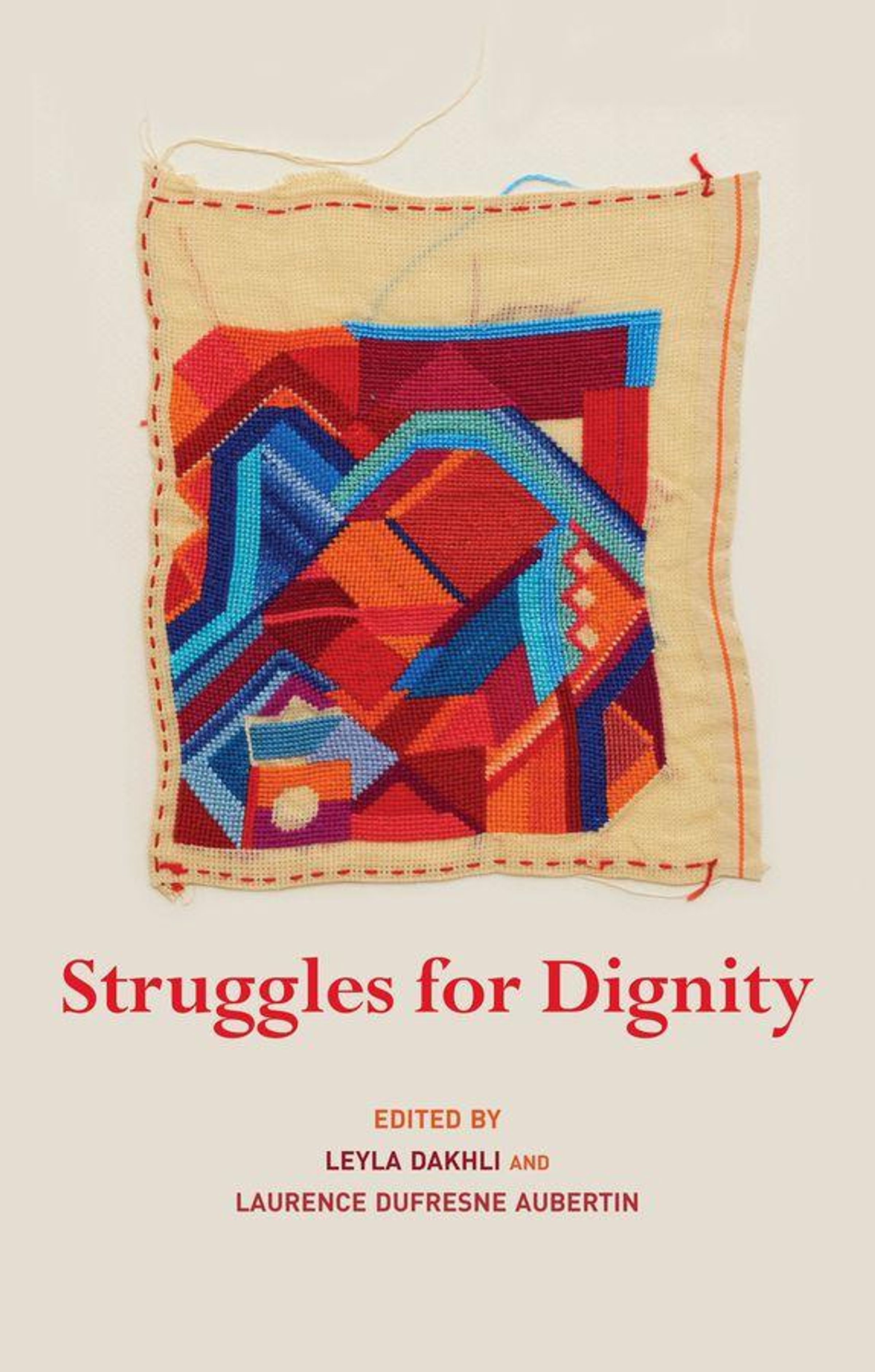
Struggles for Dignity
- Mapping Resistance in the Arab World
Sie können den Titel schon jetzt bestellen. Versand an Sie erfolgt gleich nach Verfügbarkeit.
- Herausgeber:
- Laurence Dufresne Aubertin, Leyla Dakhli
- Übersetzung:
- Hayley Wood
- Verlag:
- Polity Press, 12/2026
- Einband:
- Kartoniert / Broschiert
- Sprache:
- Englisch
- ISBN-13:
- 9781509571802
- Artikelnummer:
- 12752050
- Umfang:
- 352 Seiten
- Erscheinungstermin:
- 4.12.2026
- Serie:
- Critical South
- Hinweis
-
Achtung: Artikel ist nicht in deutscher Sprache!
Weitere Ausgaben von Struggles for Dignity |
Preis |
|---|---|
| Buch, Gebunden, Englisch | EUR 81,95* |
Klappentext
The question of dignity is central to the popular revolts and revolutions that have characterized the Mediterranean Arab world from the 1950s to the present. Whether demanded, declared or chanted, dignity - karama in Arabic - stirs up emotions and political aspirations. It also reveals the intrusion of the political into the personal, and the multiple forms of dispossession faced by populations attempting to live their lives (or merely survive) under authoritarian regimes. Yet if we look at the literature on the Arab revolts, there is very little discussion of dignity. Commentators focus mostly on the pursuit of freedom, democracy and justice, while the desire for dignity has been largely ignored.
The aim of this book is to redress this neglect by exploring the revolts in the Mediterranean Arab world through the lens of struggles for dignity. The volume includes a wide range of case studies, from Syria, Lebanon and Egypt to Tunisia and Algeria, and offers a rich and illuminating perspective on the struggles for dignity in the region, both in the dramatic moments of revolutionary upheaval and in the cooler times of everyday struggles. All the contributors to this volume adopt a micro-historical approach, observing the relations between places and experiences of revolt and using maps to show how revolts are embedded in people's lives. By giving a central place to the spatial dimension, this mode of representation proves to be particularly effective as a means for grasping the multiplicity of entanglements between the terrain of life, territory and revolt. By placing life experiences at the centre, it thereby offers a novel way for observing and describing the meanings of a dignified life.