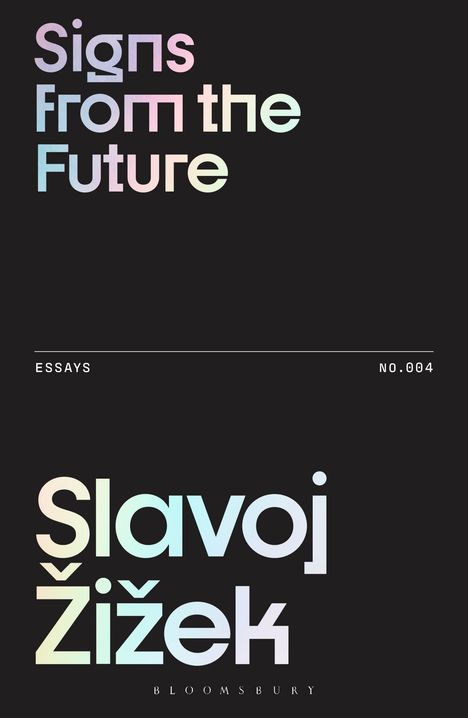
Slavoj Zizek: Signs from the Future, Kartoniert / Broschiert
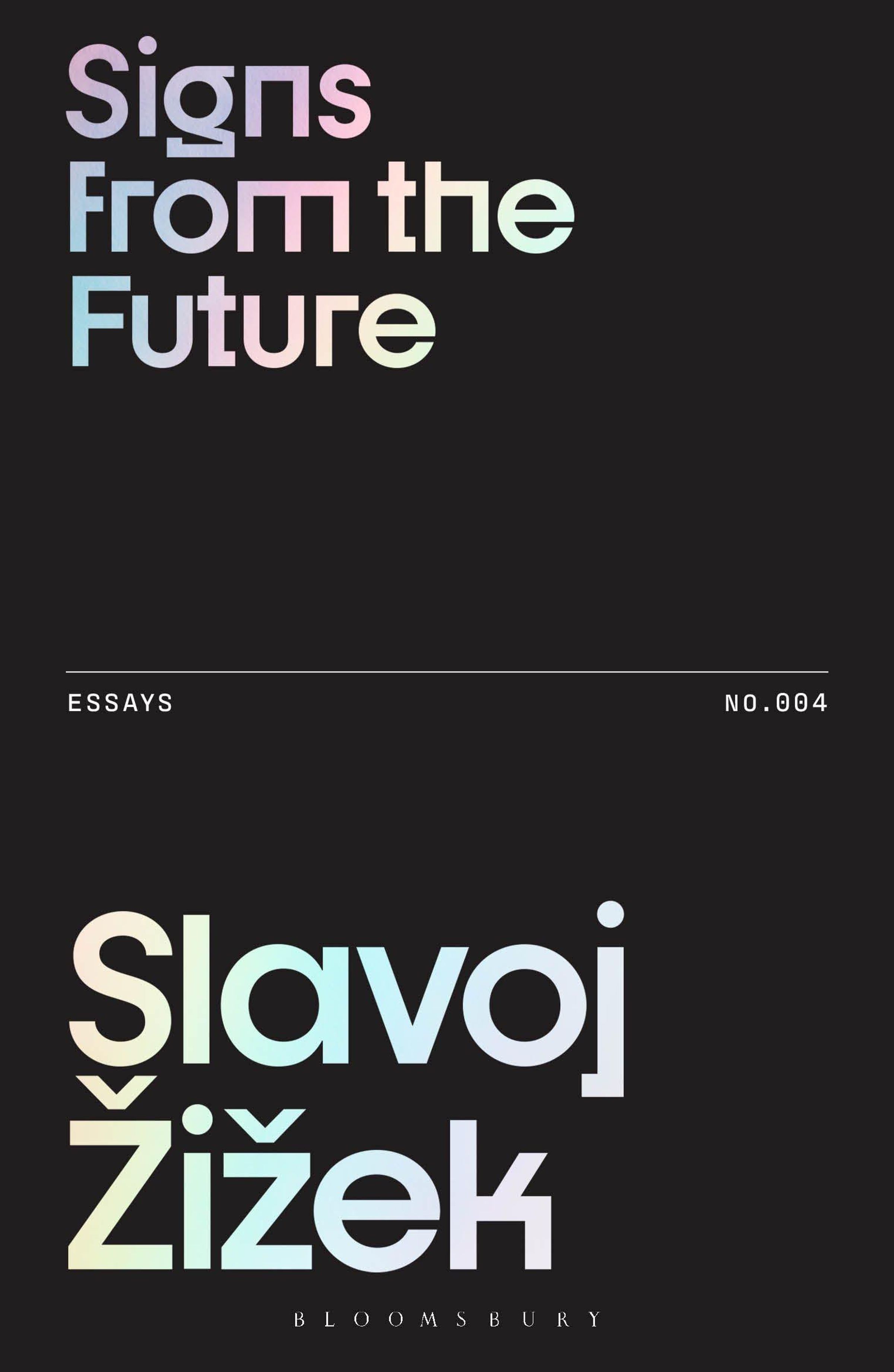
Signs from the Future
Sie können den Titel schon jetzt bestellen. Versand an Sie erfolgt gleich nach Verfügbarkeit.
- Verlag:
- Bloomsbury Academic, 10/2026
- Einband:
- Kartoniert / Broschiert
- Sprache:
- Englisch
- ISBN-13:
- 9781350648449
- Artikelnummer:
- 12675611
- Umfang:
- 168 Seiten
- Gewicht:
- 454 g
- Maße:
- 198 x 129 mm
- Stärke:
- 25 mm
- Erscheinungstermin:
- 29.10.2026
- Serie:
- Zizek's Essays
- Hinweis
-
Achtung: Artikel ist nicht in deutscher Sprache!
Klappentext
The old liberal world order is dying and yet new realities are consistently stillborn.
We are, as Slavoj Zizek argues in this arresting new book, stuck in time with only the 'morbid phenomena' of Gramsci's chilling words for company: 'the old is dying and the new cannot be born; in this interregnum a great variety of morbid phenomena appears'. These phenomena - chaotic economic wars, new forms of Fascism, techno-feudalism, a return to colonial land grabs, planetary destruction and sanctioned genocides - overwhelm us at every turn. What can we do, in such a desperate climate, to stem the flow of despair?
We might look to the great triumphs, successes and lessons of the past to guide our path - sifting the annals of history for insights which could disrupt our disastrous trajectory. And yet, this historical knowledge doesn't seem to meaningfully disturb the ruinous repetitions we see throughout human history. What might happen if we look to the future? Could it be that the realm of fortune tellers, star gazers and conspiracists is more predictable, knowable even, than we've allowed ourselves to think? Can we not read the 'morbid phenomena' that abound as concrete predictors of what is to come? From Gaza to Iran, Ukraine to the streets of Minneapolis and Venezuela to Sudan, are we not given such signs - a series of unfathomable and brutal events that, without decisive action now, will remain our future?
In *Signs from the Future,*Zizek's self-coined 'materialist prophesying' provides the tools to read worlds that have not yet been born but make their presence reverberate in the present nonetheless. He asks us to address our lives as 'signs from the future', intimations that warn us but also prompt us - to action, resistance, reparation and the fragile possibility of hope.