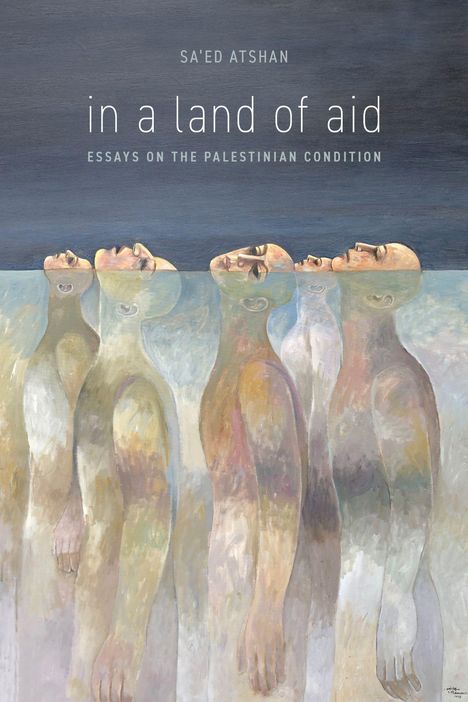
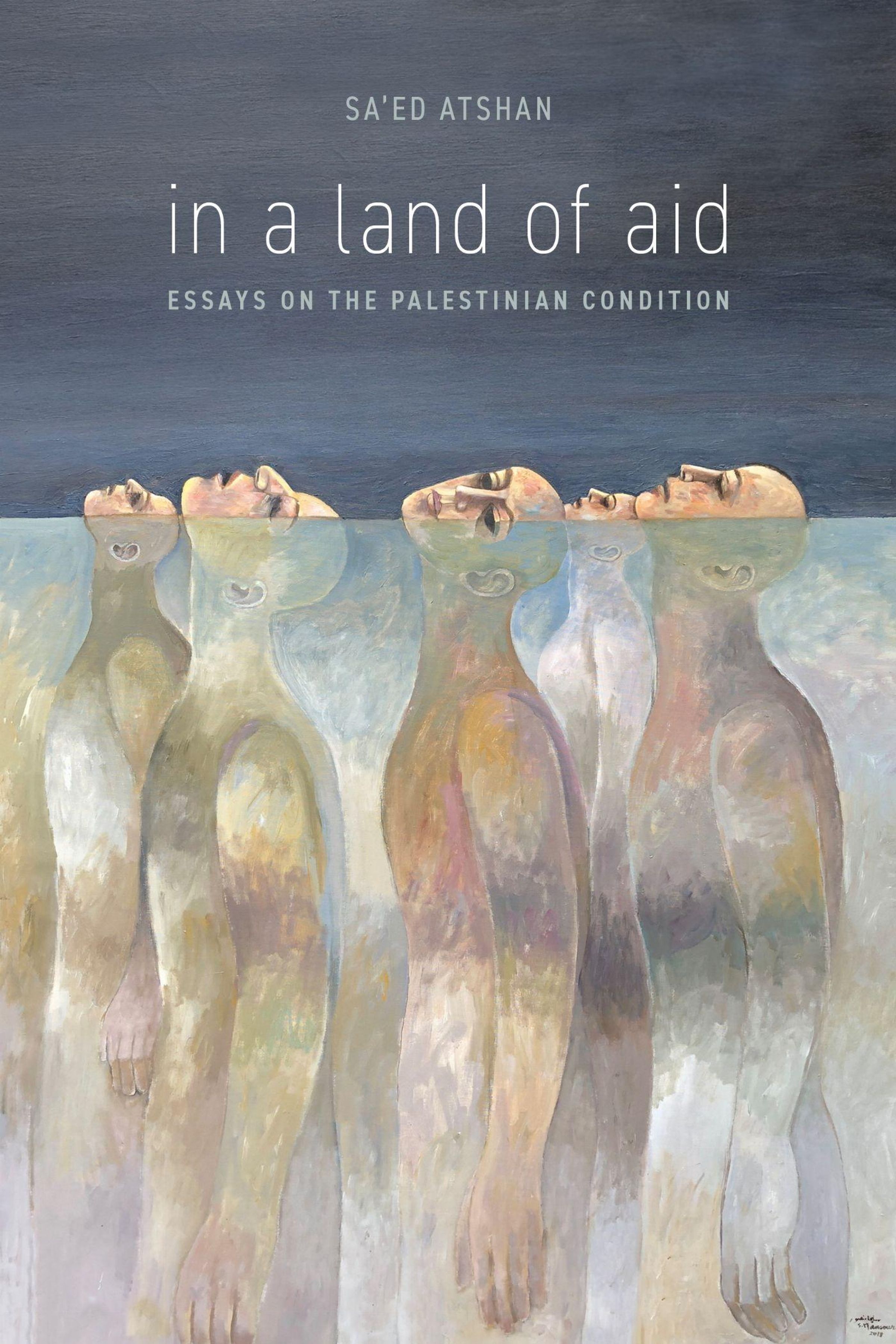
Sa'ed Atshan: In a Land of Aid, Gebunden
In a Land of Aid
- Essays on the Palestinian Condition
Sie können den Titel schon jetzt bestellen. Versand an Sie erfolgt gleich nach Verfügbarkeit.
- Verlag:
- Stanford University Press, 11/2026
- Einband:
- Gebunden
- Sprache:
- Englisch
- ISBN-13:
- 9780804798334
- Artikelnummer:
- 12645573
- Umfang:
- 250 Seiten
- Erscheinungstermin:
- 17.11.2026
- Hinweis
-
Achtung: Artikel ist nicht in deutscher Sprache!
Weitere Ausgaben von In a Land of Aid |
Preis |
|---|---|
| Buch, Kartoniert / Broschiert, Englisch | EUR 25,53* |
Klappentext
An urgent examination of Palestine's humanitarian crisis -- revealing international aid as both a lifeline and an instrument of colonial power.
For decades, the international community, Israeli occupation, and Palestinian elites have engineered the humanitarianization of the Palestinian Territories -- reframing the question of Palestine as a humanitarian concern rather than a political one. Today, the West Bank and Gaza Strip have become the world's humanitarian laboratory, and Palestinians are among the largest recipients per capita of humanitarian aid. This aid provides Palestinians with essential tools for survival and resilience, yet it has also entrenched Israeli colonial control.
Across a series of bracing essays authored by anthropologist Sa'ed Atshan, In a Land of Aid traces how humanitarianism has become the dominant lens through which Palestinian life is now governed. Drawing on over a decade of research, Atshan introduces readers to foreign aid workers, policymakers, scholars, and Palestinians as they navigate political constraints on the ground. Together, these encounters reveal an aid apparatus riddled with contradiction: simultaneously sustaining life, narrowing political imagination, and generating new forms of inequality and contestation.
Writing with principled care, Atshan amplifies Palestinian voices that express growing ambivalence toward both the prevailing humanitarian discourse and the inherited resistance narratives that no longer fully capture their embodied realities. Atshan finds that to understand contemporary global humanitarianism, we must reckon with its impact in Palestine; and to understand contemporary Palestinian society, we must confront the role of aid. Ultimately, this book insists that the most powerful response to the paradoxically dehumanizing effects of aid lies in our affirmation of shared humanity.