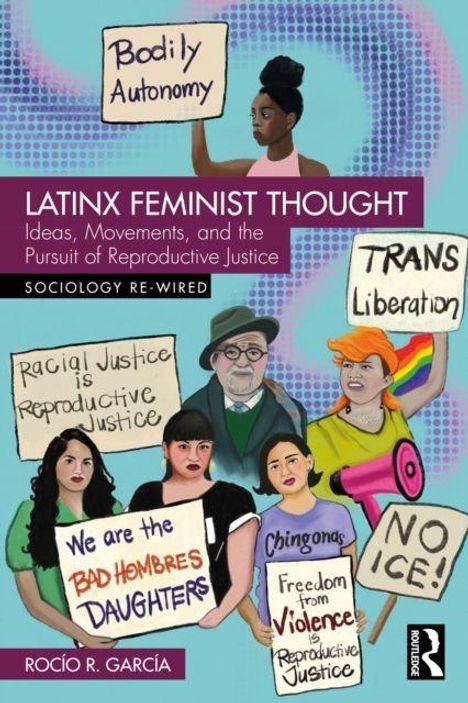
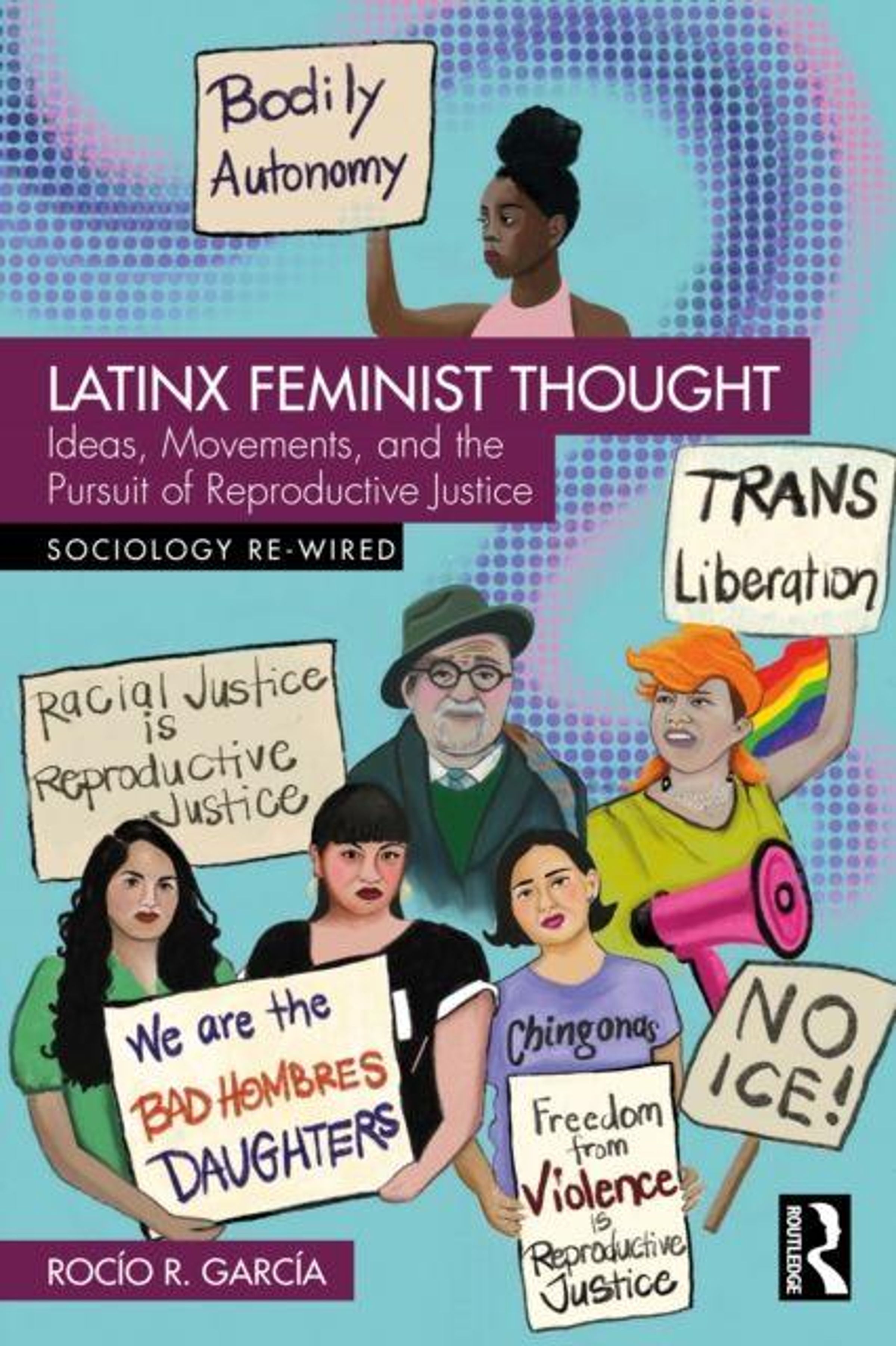
Rocio R. Garcia: Latinx Feminist Thought, Kartoniert / Broschiert
Latinx Feminist Thought
- Ideas, Movements, and the Pursuit of Reproductive Justice
Sie können den Titel schon jetzt bestellen. Versand an Sie erfolgt gleich nach Verfügbarkeit.
- Verlag:
- Taylor & Francis Ltd, 09/2026
- Einband:
- Kartoniert / Broschiert
- Sprache:
- Englisch
- ISBN-13:
- 9781032330327
- Artikelnummer:
- 12813906
- Umfang:
- 148 Seiten
- Erscheinungstermin:
- 8.9.2026
- Serie:
- Sociology Re-Wired
- Hinweis
-
Achtung: Artikel ist nicht in deutscher Sprache!
Weitere Ausgaben von Latinx Feminist Thought |
Preis |
|---|---|
| Buch, Gebunden, Englisch | EUR 230,32* |
Klappentext
Drawing on the influence of Collins' Black Feminist Thought , this book explores how Latinx feminists create theories about intersecting inequalities via their social movement practices-particularly as these relate to reproductive justice.
Many people in the United States associate reproductive politics primarily with the contentious debates surrounding abortion and contraceptive access. Yet, Rocío R. García argues the United States also has a persistent preoccupation with the reproductive lives of people of Latin American descent, evidenced in debates about undocumented immigration and birthright citizenship, the politics regarding social services to help Latinx families out of poverty, and past and contemporary examples of the coerced sterilization of Puerto Rican and Mexican-origin Latinxs, among many other issues. At the intersections of these reproductive inequalities are a growing group of Latinx feminists in the movement for reproductive justice-a social movement across the United States led by women of color who equally fight for everyone's human right to have a child, to not have a child, and to parent in safe and healthy conditions. Latinx feminists in the reproductive justice movement mobilize against reproductive inequalities by addressing how the intersections of racism, colonialism, sexism, classism, and other systems of oppression shape Latinxs reproductive lives. In the process, Latinx feminists reveal that reproductive politics are far more expansive and complex than often imagined-that reproduction, just like life, is messy. Drawing on ethnographic data and interviews with Latinx feminists in the movement for reproductive justice in California, García reveals how Latinx feminist theories are cultivated in social movements contexts in the pursuit of justice, dignity, and social transformation. García focuses on the cultural processes by which Latinx feminists make politics as they navigate the simultaneity of inequalities to expand understandings of reproduction by centering Latinx feminist thinking.
An essential read for students, scholars, and practitioners in post-colonial studies, gender and sexuality studies, reproductive health care, and Latin American studies, Latinx Feminist Thought invites us all to recognize the necessity of Latinx feminist knowledge to lean into the messiness of being human and make new worlds invested in reproductive justice for all.