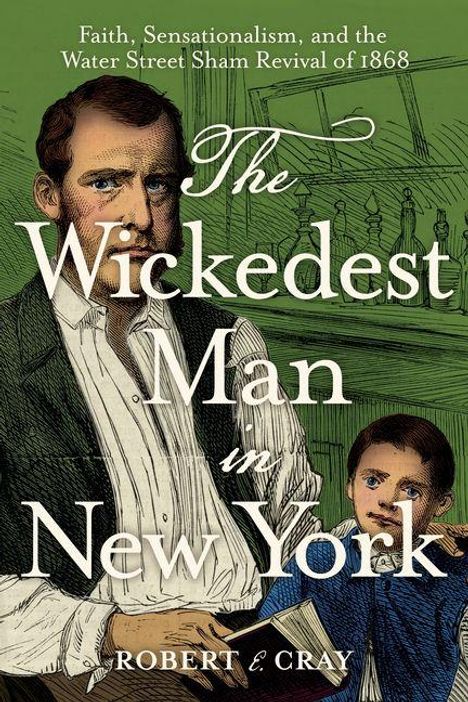
Robert E Cray: Wickedest Man in New York, Kartoniert / Broschiert
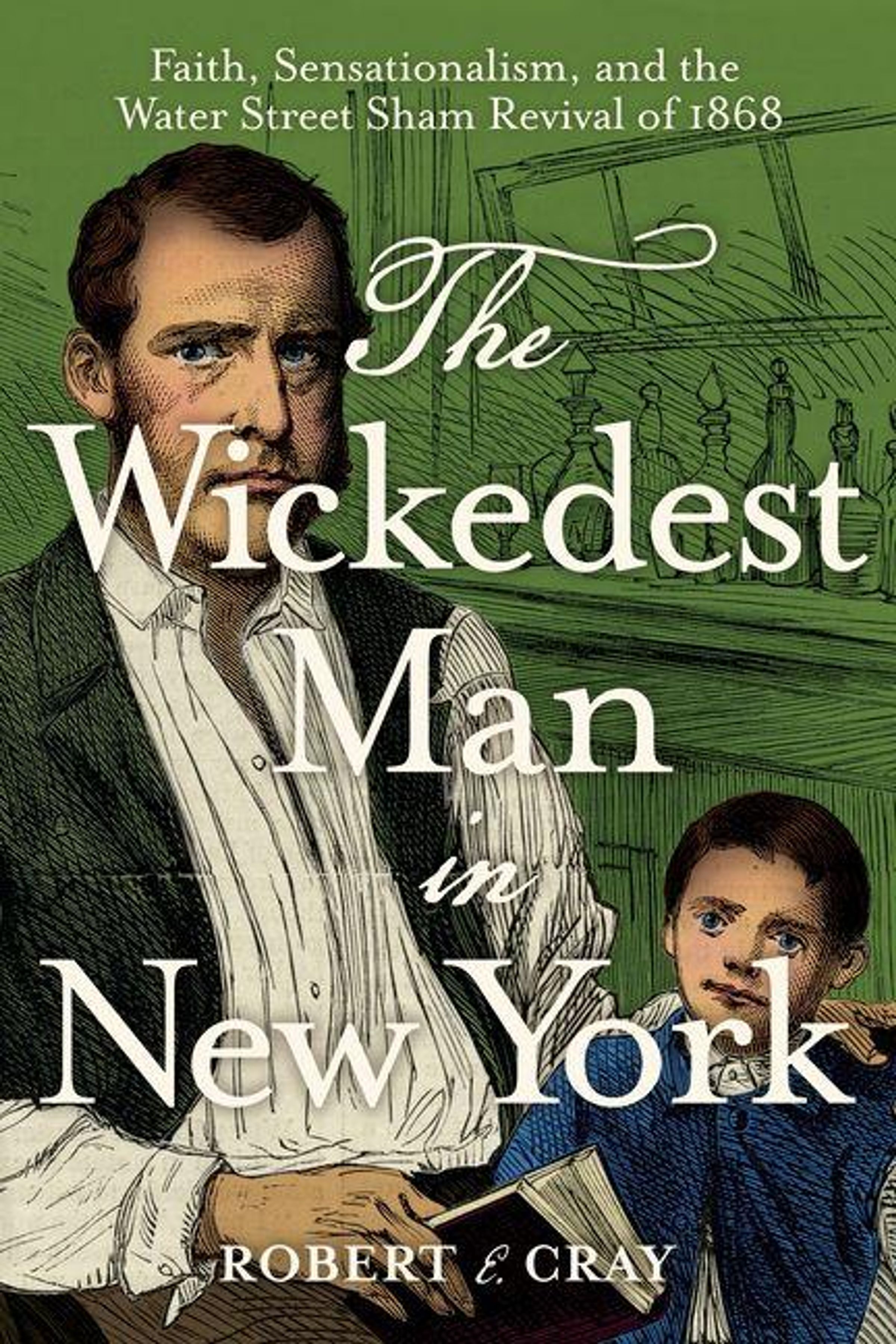
Wickedest Man in New York
- Faith, Sensationalism, and the Water Street Sham Revival of 1868
(soweit verfügbar beim Lieferanten)
- Verlag:
- Johns Hopkins University Press, 09/2026
- Einband:
- Kartoniert / Broschiert
- Sprache:
- Englisch
- ISBN-13:
- 9781421455105
- Artikelnummer:
- 12617259
- Umfang:
- 250 Seiten
- Gewicht:
- 412 g
- Maße:
- 229 x 152 mm
- Stärke:
- 16 mm
- Erscheinungstermin:
- 1.9.2026
- Hinweis
-
Achtung: Artikel ist nicht in deutscher Sprache!
Klappentext
How journalism, religious ambition, and urban life converged to shape one of nineteenth-century New York's most public moral dramas. In The Wickedest Man in New York, Robert E. Cray revisits one of the most arresting episodes in nineteenth-century Manhattan: the brief season when a Water Street dancehall became the unlikely stage for a public religious drama. In 1868, journalist Oliver Dyer published a sensational profile of John Allen, a dancehall proprietor whose establishment was infamous for liquor, music, and the labor of the sex workers who lived there. Dyer's portrait of Allen as "the wickedest man in New York" gripped the city and pulled thousands of curious onlookers toward the Fourth Ward, a waterfront district long associated with poverty, sex work, and the tensions of a changing metropolis. As evangelicals from the Howard Mission entered Allen's world--hoping to reform the neighborhood, cultivate converts, and elevate their own ministry--reporters chronicled every turn. Prayer meetings unfolded where sailors once crowded the floor. Critics questioned motives. Supporters heralded moral transformation. New Yorkers asked whether a revival was truly taking place or whether they were witnessing a carefully managed spectacle shaped as much by publicity as by faith. Cray brings this volatile moment into sharp focus, revealing how Protestant evangelicals, urban journalists, and neighborhood residents navigated overlapping ambitions in a city alive with religious competition and cultural display. Through careful attention to Water Street's social landscape--including its Irish Catholic families, its laboring men, and the women whose lives were most exposed to public scrutiny--Cray shows how personalities like Allen and Dyer became symbols of broader struggles over morality, reform, and the power of the press. The Wickedest Man in New York illuminates the forces that shaped urban religion in the early Gilded Age, offering a compelling portrait of a city captivated by sin, salvation, and sensational newsmaking.