Robert Cribb: Twelve Japanese War Criminals and One Who Got Away, Kartoniert / Broschiert
Twelve Japanese War Criminals and One Who Got Away
(soweit verfügbar beim Lieferanten)
- Verlag:
- University of Hawai'i Press, 01/2026
- Einband:
- Kartoniert / Broschiert
- Sprache:
- Englisch
- ISBN-13:
- 9798880702602
- Artikelnummer:
- 12288547
- Umfang:
- 272 Seiten
- Gewicht:
- 369 g
- Maße:
- 229 x 152 mm
- Stärke:
- 15 mm
- Erscheinungstermin:
- 31.1.2026
- Hinweis
-
Achtung: Artikel ist nicht in deutscher Sprache!
Weitere Ausgaben von Twelve Japanese War Criminals and One Who Got Away |
Preis |
|---|---|
| Buch, Gebunden, Englisch | EUR 92,19* |
Klappentext
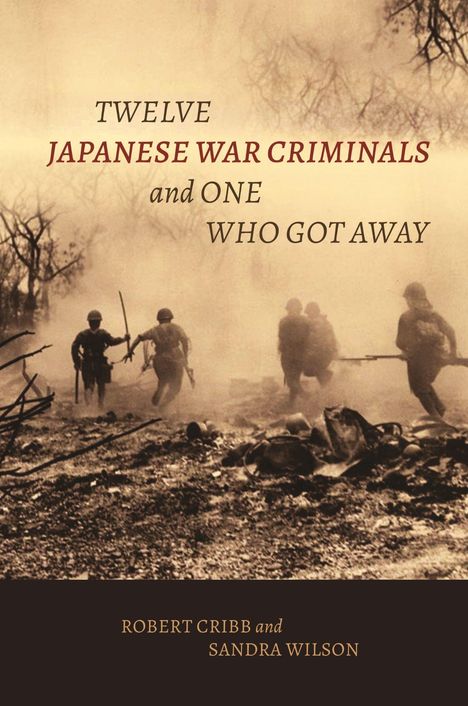
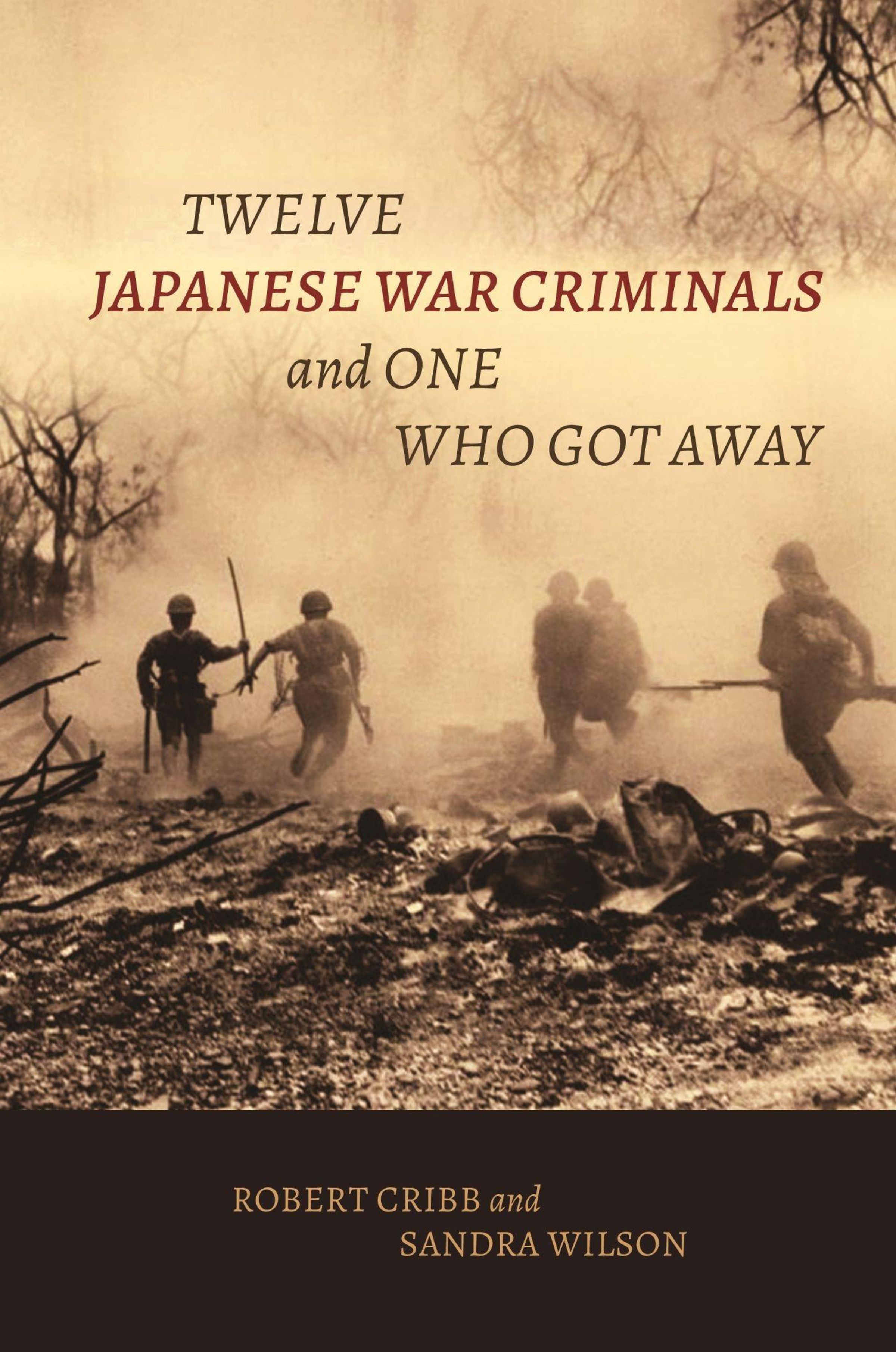
InTwelve Japanese War Criminals and One Who Got Away , Robert Cribb and Sandra Wilson tell the stories of twelve people who were convicted of war crimes in Allied courts in the Asia-Pacific region after the Second World War. Included is the story of one man who escaped prosecution. The crimes were committed in the Philippines, Burma, Thailand, Java, Malaya, Singapore, the Maluku islands, New Guinea, and Japan. The characters examined range from senior figures---General Honma Masaharu, who was convicted for the Bataan "death march," and Japan's wartime prime minister Tōjō Hideki---to lower-ranking and lesser-known people: a POW camp commander, a camp doctor, a Korean guard, a nurse charged with assisting in vivisection, a doctor convicted of cannibalism, a pimp, a Taiwanese interpreter, a businessman convicted of assault, an officer convicted of massacre, and another convicted of a single execution. Tsuji Masanobu, the man who escaped, was responsible for at least two massacres. He was eventually elected to parliament, indicating the willingness of some elements in postwar Japanese society to overlook wartime atrocities.
The book examines the backgrounds and careers of each character and explains how they came to commit the acts for which they were convicted. It also considers their subsequent careers, if they survived (several were executed for their crimes). Based on years of meticulous research, the book brings to life the texture of individual action and experience in the tumultuous years of conflict and occupation during the Pacific War. The authors recognize Japanese cruelty but also suggest that most of the convicted war criminals were not inherently evil. Some were out of their depth or were forced into circumstances where they made bad decisions; some obeyed illegal orders or were caught in impossible situations in a war that Japan fought with insufficient resources. Ironically, the one who got away was probably the worst of them all.