Philip Delves Broughton: Embargo, Gebunden
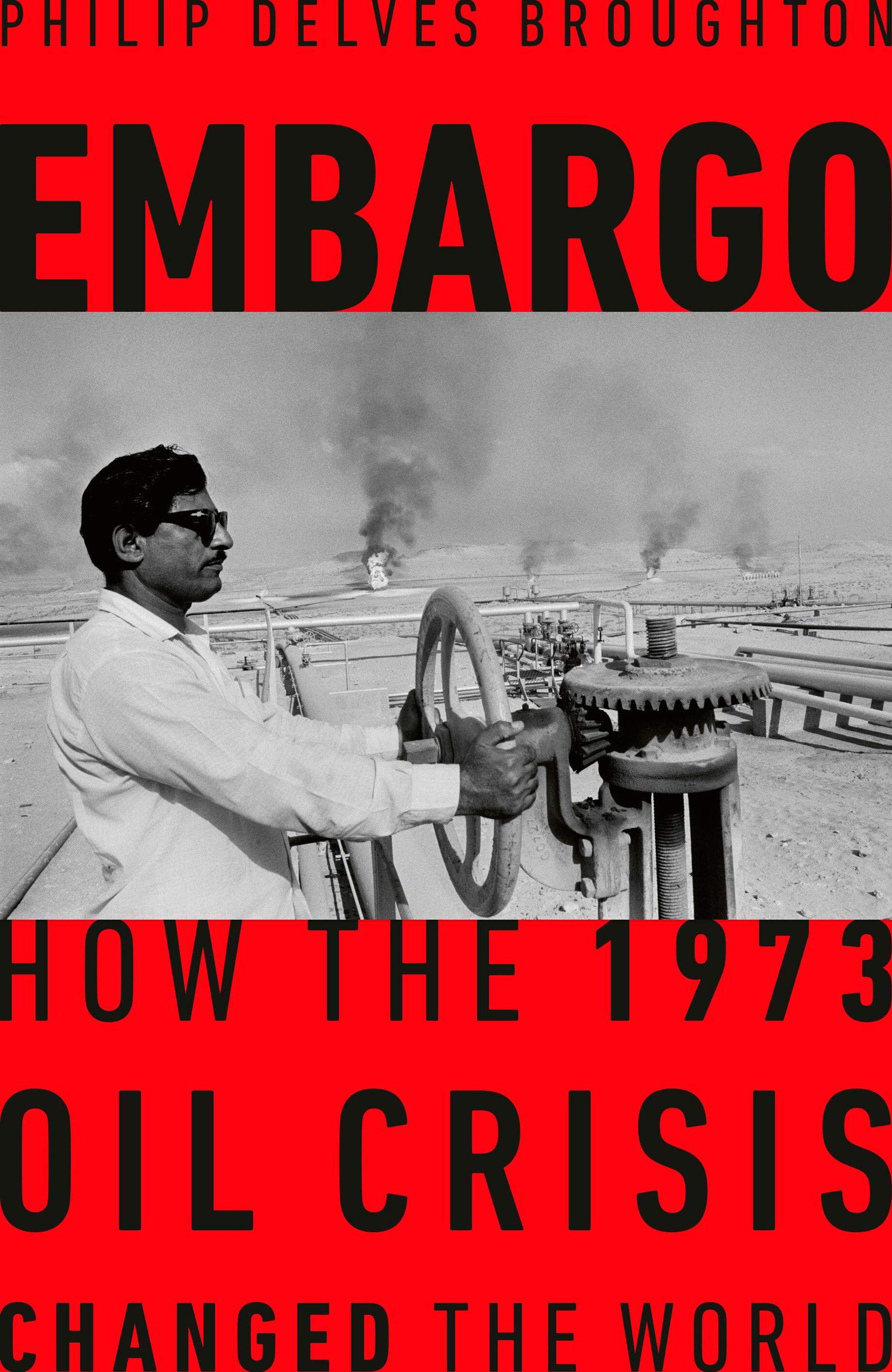
Embargo
- How the 1973 Oil Crisis Changed the World
Sie können den Titel schon jetzt bestellen. Versand an Sie erfolgt gleich nach Verfügbarkeit.
- Verlag:
- Cornerstone, 10/2026
- Einband:
- Gebunden
- Sprache:
- Englisch
- ISBN-13:
- 9781529154665
- Artikelnummer:
- 12681048
- Umfang:
- 368 Seiten
- Gewicht:
- 614 g
- Maße:
- 240 x 156 mm
- Stärke:
- 34 mm
- Erscheinungstermin:
- 29.10.2026
- Hinweis
-
Achtung: Artikel ist nicht in deutscher Sprache!
Weitere Ausgaben von Embargo |
Preis |
|---|---|
| Buch, Kartoniert / Broschiert, Englisch | EUR 18,35* |
| Buch, Gebunden, Englisch | EUR 40,41* |
Klappentext
We have been here before.
The king of Saudi Arabia had warned the Americans repeatedly: if you do not treat us with respect, we will cut off your oil. For years, nobody believed him. On 5 October 1973, he made good on his threat.
The consequences were immediate. In America, fuel rationing and a 55mph emergency speed limit couldn't stop the lights of Times Square flickering out by Christmas. Across Europe, governments scrambled for secret supplies of oil; Britain's chancellor flew to St Moritz to interrupt the Shah of Iran's skiing holiday and beg for the fuel needed to keep the country running. As panic spread through Western capitals, the world's most powerful economies discovered that their prosperity rested on decisions being made in Riyadh.
Embargois the gripping inside story of the 1973 oil crisis and the small group of leaders who shaped it. It is the story of Faisal, the Saudi King who was born a nomad and became the richest man in the world. Of Ahmed Zaki Yamani, his unflappable Harvard-educated oil minister who drove American oil executives to tears with his steely calm. And of Henry Kissinger, the US statesman who failed to grasp how much leverage the Middle East had acquired over the West until it was too late.
Filled with frantic diplomacy and secret negotiations, Embargofollows the race to avert economic catastrophe and restore the flow of oil. In the process, it uncovers a turning point in modern history: the moment the industrialised world discovered how vulnerable its prosperity was to turmoil in the Middle East. More than fifty years later, we are still wrangling with the consequences.