
Omaris Z. Zamora: Ciguapa Unbound, Kartoniert / Broschiert
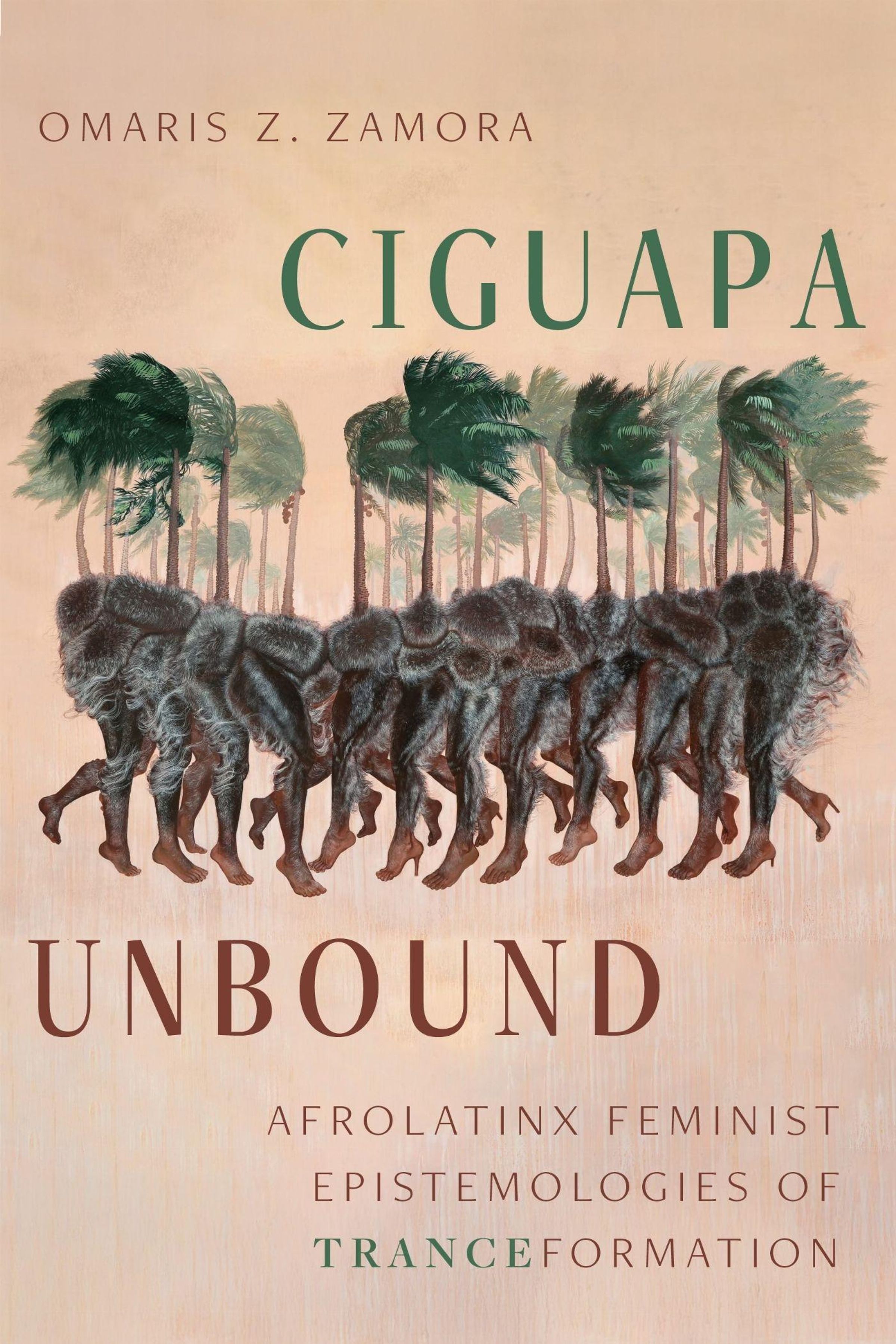
Ciguapa Unbound
- AfroLatinx Feminist Epistemologies of Tranceformation
Sie können den Titel schon jetzt bestellen. Versand an Sie erfolgt gleich nach Verfügbarkeit.
- Verlag:
- New York University Press, 12/2026
- Einband:
- Kartoniert / Broschiert
- Sprache:
- Englisch
- ISBN-13:
- 9781479845392
- Artikelnummer:
- 12690464
- Umfang:
- 224 Seiten
- Erscheinungstermin:
- 29.12.2026
- Hinweis
-
Achtung: Artikel ist nicht in deutscher Sprache!
Weitere Ausgaben von Ciguapa Unbound |
Preis |
|---|---|
| Buch, Gebunden, Englisch | EUR 118,43* |
Klappentext
How AfroLatinx artists transform the body into an archive of resistance through a decolonial ciguapa aesthetic
In Ciguapa Unbound, Omaris Z. Zamora reimagines the Dominican myth of La Cigüapa to explore the untold stories of Black Dominican women. Traditionally depicted as an elusive spirit with backward-facing feet who haunts rural landscapes as a cautionary tale, La Cigüapa is brilliantly repositioned here. Zamora transforms her unbounded mobility, fugitivity, and embodied illegibility into a powerful critical analytic for understanding transnational AfroLatinx feminist thought.
Through the innovative lens of a "ciguapa aesthetic," Zamora foregrounds movement, untrackability, and trance as vital modes of Black feminist knowledge production. The book meticulously analyzes a diverse array of cultural producers, including Nelly Rosario, Ana-Maurine Lara, Loida Maritza Pérez, Josefina Báez, Cardi B, La Bella Chanel, and Firelei Báez. By examining literature, performance, visual art, and digital media, Zamora interrogates how these women navigate intersecting systems of patriarchy, white supremacy, and restrictive definitions of Latinidad across geographic borders.
Central to the book is the theorization of tranceformation, a process through which Black Dominican women navigate and reconstitute their subjectivities across geographic and cultural borders, centering the body, memory, and narrative as vital archives of knowledge production. Engaging with both theoretical analysis and personal narrative, Ciguapa Unbound calls for the reintegration of these feminist voices into a broader interdisciplinary discourse, enriching the study of Black diaspora feminisms with unique insights rooted in the lived experiences of Black Dominican women.