Agroindustrial Waste Management, Gebunden
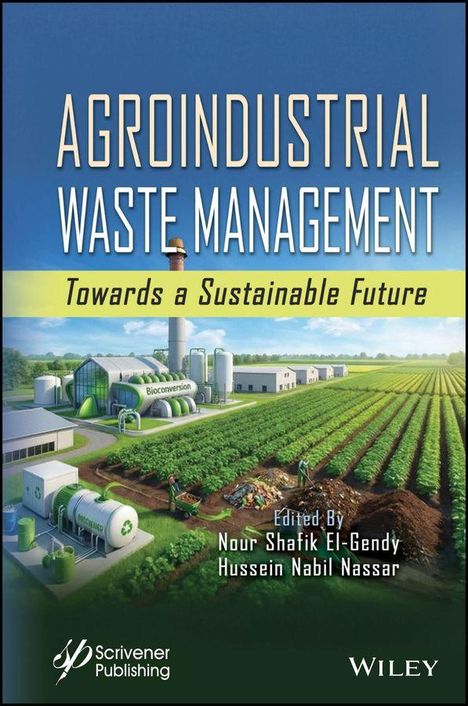
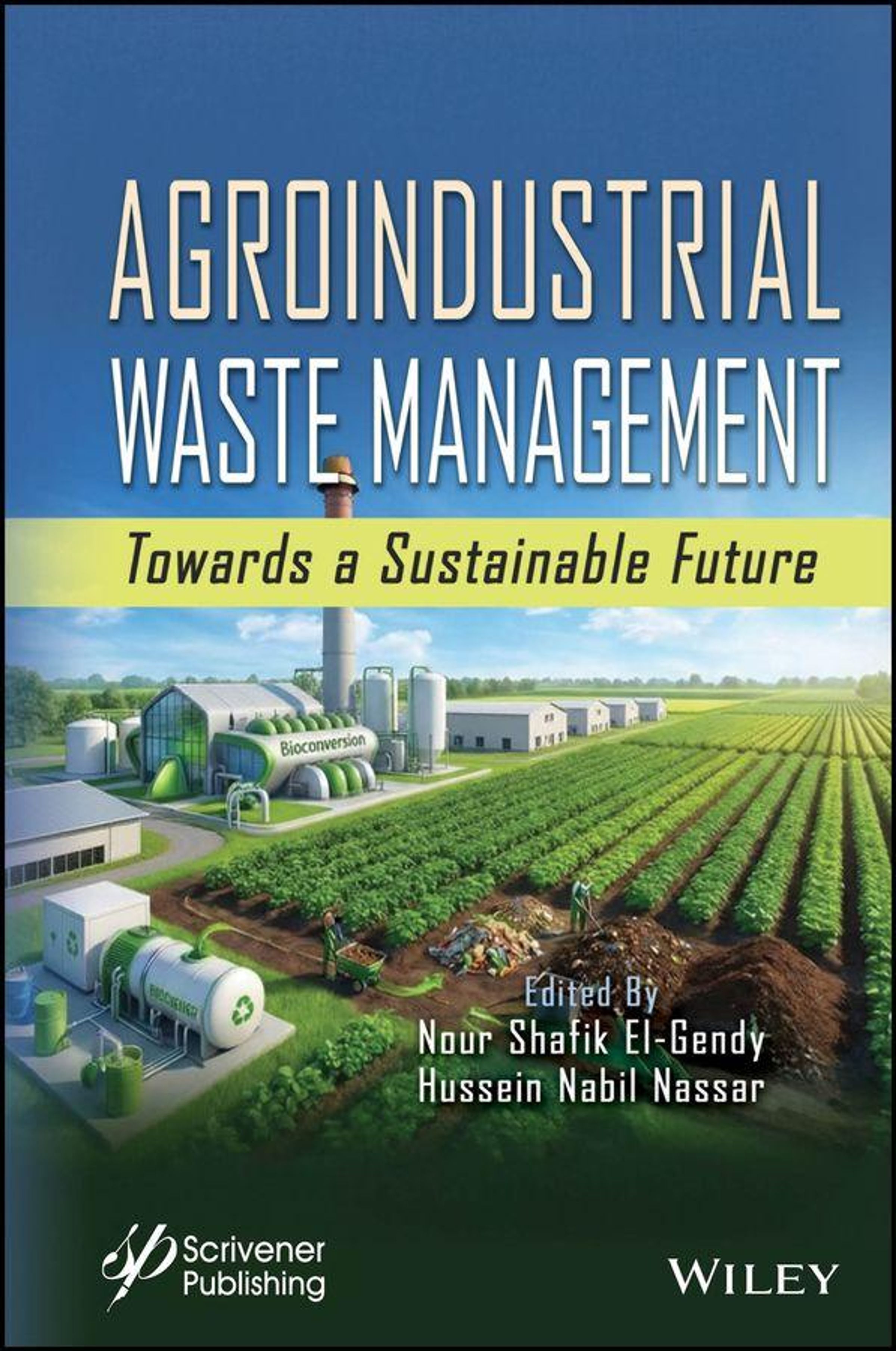
Agroindustrial Waste Management
- Towards a Sustainable Future
(soweit verfügbar beim Lieferanten)
- Herausgeber:
- Hussein Mohamed Nabil Nassar, Nour Shafik El-Gendy
- Verlag:
- John Wiley & Sons Inc, 03/2026
- Einband:
- Gebunden
- Sprache:
- Englisch
- ISBN-13:
- 9781119620266
- Artikelnummer:
- 10365370
- Umfang:
- 576 Seiten
- Gewicht:
- 928 g
- Maße:
- 237 x 159 mm
- Stärke:
- 39 mm
- Erscheinungstermin:
- 4.3.2026
- Hinweis
-
Achtung: Artikel ist nicht in deutscher Sprache!
Klappentext
Lead the transition toward a zero-waste circular bioeconomy with this essential resource, which provides expert insights into leveraging nano-biotechnology and molecular biology to transform agroindustrial waste into high-value solutions for climate mitigation, wastewater treatment, and corrosion control.
Climate change has come to the forefront as a global issue due to its negative impacts on the availability of water resources, food and agricultural security, ecosystems, human health, and biodiversity. In both developed and developing countries, climate impacts are reverberating through the economy, threatening water availability, and contributing to rising sea levels and increases in extreme weather, threatening development and economic stability. Millions of tons of agroindustrial wastes are produced annually all over the world, further contributing to environmental concerns because they are not economically reused and create air, soil, and water pollution that has a negative impact on human health, the economy, and the environment. This book will focus on how the valorization of agroindustrial wastes can be applied to solve pollution, waste management, and energy problems, discussing the application of molecular biology, nanotechnology, and other techniques, to illustrate potential solutions to this growing global problem. It will cover different fields of nano-biotechnology and their impact on climate change, with special emphasis on bio-upcycling of different agroindustrial wastes into biocides and corrosion inhibitors for the mitigation of corrosion, biosurfactants, and photo- and biocatalysts for wastewater treatment and water desalination. Finally, the book will discuss the challenges and opportunities of biowaste valorization to create zero-waste in a future circular bioeconomy. Through expert insights and real-world case studies, this guide will serve as an essential resource for innovations in agroindustry.