
Mohamed-Ali Ibrahim: Artificial Intelligence in Practice, Kartoniert / Broschiert
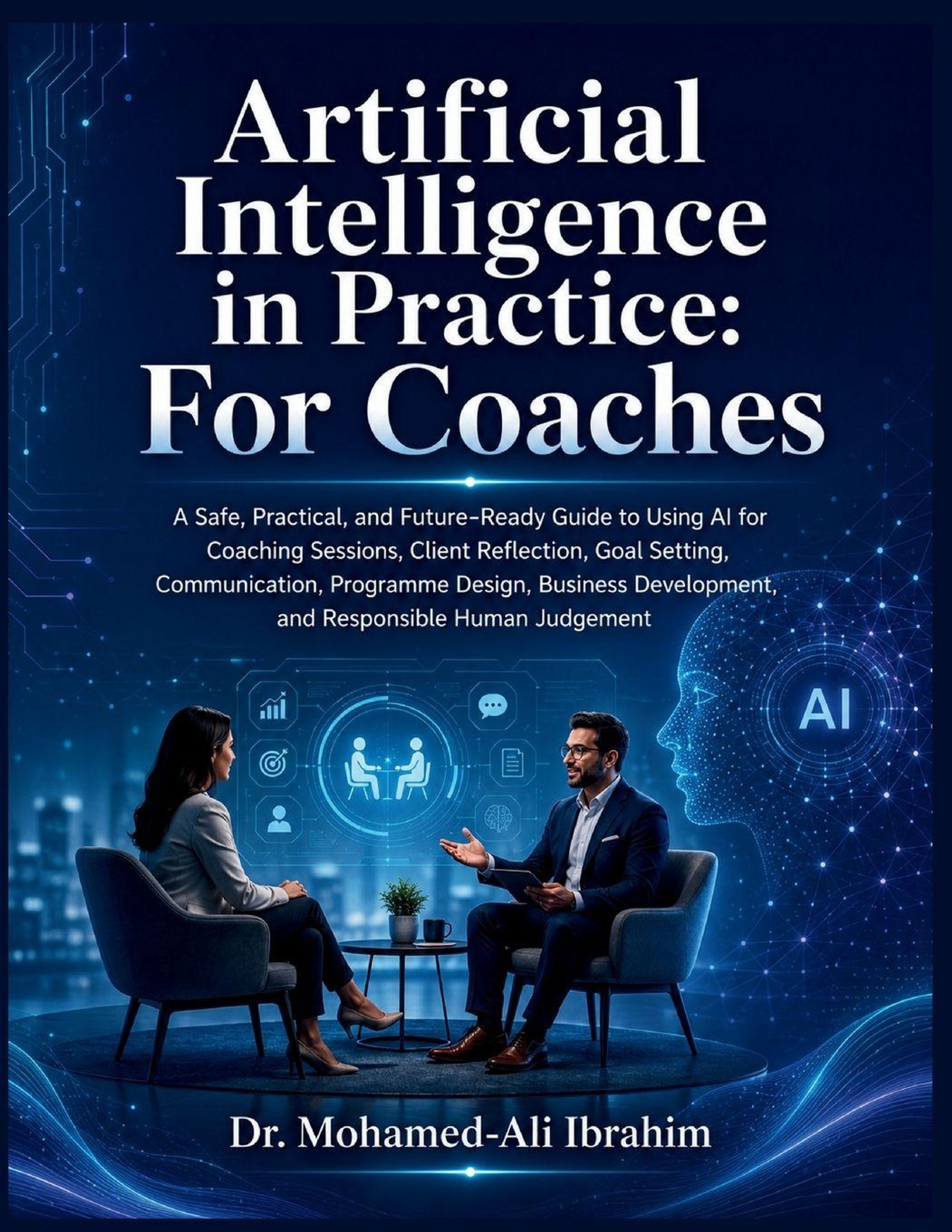
Artificial Intelligence in Practice
- A Safe, Practical, and Future-Ready Guide to Using AI for Coaching Sessions, Client Reflection, Goal Setting, Communication, Programme Design, Business Development, and Responsible Human Judgement
(soweit verfügbar beim Lieferanten)
- Verlag:
- DR.IBRAHIM, 08/2026
- Einband:
- Kartoniert / Broschiert
- Sprache:
- Englisch
- ISBN-13:
- 9783852283043
- Artikelnummer:
- 12897948
- Umfang:
- 126 Seiten
- Gewicht:
- 339 g
- Maße:
- 280 x 216 mm
- Stärke:
- 7 mm
- Erscheinungstermin:
- 6.8.2026
- Hinweis
-
Achtung: Artikel ist nicht in deutscher Sprache!
Weitere Ausgaben von Artificial Intelligence in Practice |
Preis |
|---|---|
| Buch, Kartoniert / Broschiert, Englisch | EUR 94,59* |
| Buch, Kartoniert / Broschiert, Englisch | EUR 97,24* |
| Buch, Kartoniert / Broschiert, Englisch | EUR 90,05* |
| Buch, Kartoniert / Broschiert, Englisch | EUR 95,10* |
| Buch, Kartoniert / Broschiert, Englisch | EUR 96,48* |
| Buch, Kartoniert / Broschiert, Englisch | EUR 94,97* |
Klappentext
Artificial Intelligence in Practice: For CoachesComplete Subtitle A Safe, Practical, and Future-Ready Guide to Using AI for Coaching Sessions, Client Reflection, Goal Setting, Communication, Programme Design, Business Development, and Responsible Human Judgement Author: Dr. Mohamed-Ali IbrahimAmazon KDP Book DescriptionIntroduction Artificial intelligence is changing how coaches prepare sessions, develop reflection questions, create worksheets, communicate with clients, design programmes, organise their businesses, and support professional development. But coaching is not only about tools, templates, or efficiency. Coaching is built on human presence, trust, listening, empathy, confidentiality, professional boundaries, and respect for the client's autonomy. Artificial Intelligence in Practice: For Coaches is a practical and accessible guide for coaches who want to benefit from AI without weakening the human relationship at the centre of effective coaching. This book shows coaches how to use AI as a responsible professional assistant-not as a replacement for coaching expertise, ethical awareness, active listening, supervision, referral, or human judgement. Readers will learn how AI can support session preparation, reflection-question development, goal-setting exercises, accountability tools, coaching programme design, client communication, workshop planning, content creation, business development, and administrative organisation. The book also explains the risks coaches must understand. These include exposing confidential client information, using emotionally inappropriate language, creating harmful assumptions, crossing into therapy or diagnosis, giving legal, medical, or financial advice, weakening client autonomy, and becoming overly dependent on technology. Through practical examples, safe prompts, exercises, checklists, case studies, templates, an AI impact dashboard, and a structured six-week practice plan, this guide helps coaches build responsible AI-supported workflows while keeping human coaching quality firmly in control. Main Benefits of the Book Readers will learn how to: Use AI to prepare structured coaching sessions. Create respectful and open-ended reflection questions. Develop goal-setting and action-planning worksheets. Build supportive accountability tools and progress trackers. Design individual and group coaching programmes. Draft clear, professional, and non-confidential client communications. Create onboarding emails, reminders, follow-up messages, and programme materials. Develop workshops, exercises, and coaching resources. Generate ethical business-development and content ideas. Write stronger AI prompts specifically for coaching tasks. Protect client confidentiality and personal information. Review AI-generated content for tone, pressure, bias, assumptions, and emotional risk.