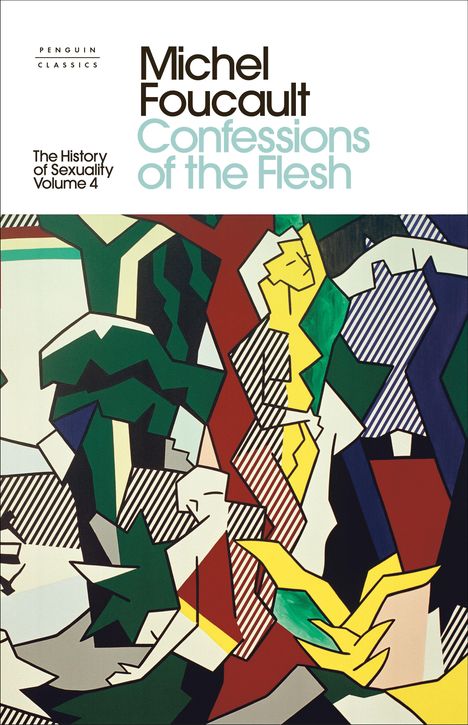
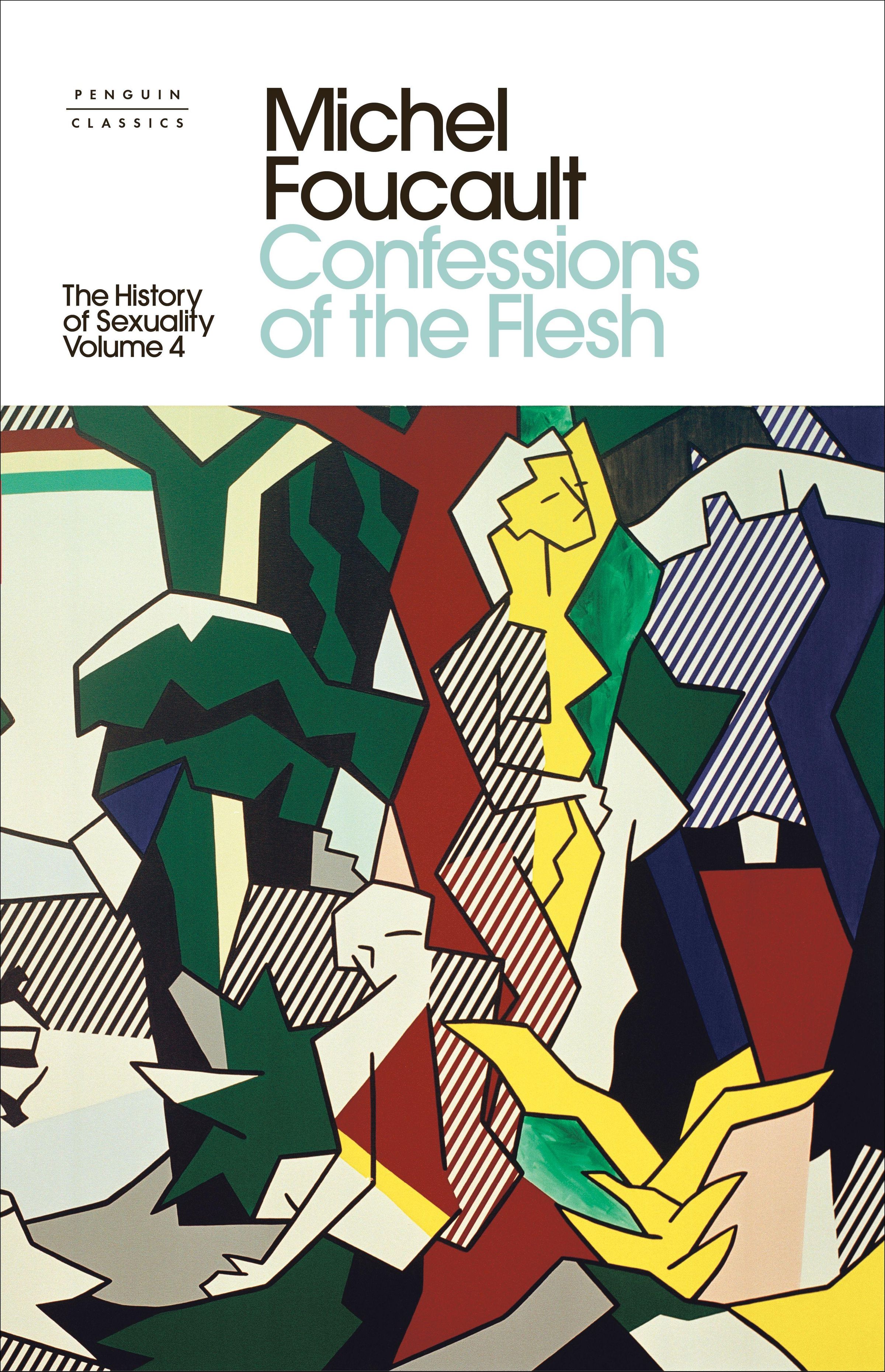
Michel Foucault: The History of Sexuality: 4, Gebunden
The History of Sexuality: 4
- Confessions of the Flesh

(soweit verfügbar beim Lieferanten)
- Übersetzung:
- Robert Hurley
- Verlag:
- Penguin Books Ltd, 03/2021
- Einband:
- Gebunden
- Sprache:
- Englisch
- ISBN-13:
- 9780241389584
- Artikelnummer:
- 10285555
- Umfang:
- 416 Seiten
- Gewicht:
- 450 g
- Maße:
- 207 x 141 mm
- Stärke:
- 40 mm
- Erscheinungstermin:
- 11.3.2021
- Hinweis
-
Achtung: Artikel ist nicht in deutscher Sprache!
Weitere Ausgaben von The History of Sexuality: 4 |
Preis |
|---|
Klappentext
The final major work by one of the most influential thinkers of the twentieth centuryFoucault's History of Sexuality changed the way we think about power, selfhood and sexuality forever. Arguing that sexuality is profoundly shaped by the power structures applied to it, the series is one of his most important and far-reaching works. In this fourth and final volume, Foucault turns his attention to early Christianity, exploring how ancient ideas of pleasure were modified into the Christian notion of the 'flesh' - a transformation that would define the Western experience of sexuality and subjectivity. Completed at Foucault's death, the manuscript of this volume was locked away in a bank vault for three decades. Now for the first time, the work is available to English-language readers as the author originally conceived it.
Biografie (Michel Foucault)
Paul-Michel Foucault, geb. 15. Okt. 1926 in Poitiers, gest. am 25. Juni 1984 an den Folgen einer HIV-Infektion; studierte Philosophie und Psychologie in Paris. 1952 Assistent für Psychologie an der geisteswissenschaftlichen Fakultät in Lille; 1955 Lektor an der Universität Uppsala (Schweden). Nach Direktorenstellen an Instituten in Warschau und Hamburg kehrte er 1960 nach Frankreich zurück, wo er bis 1966 als Professor für Psychologie und Philosophie an der Universität Clermont-Ferrand arbeitete. 1965 und 1966 war er Mitglied der Fouchet-Kommission, die von der Regierung für die Reform des (Hoch-)Schulwesens eingesetzt wurde. Nach einer Gastprofessur in Tunis (1965-1968) war er an der Reform-Universität von Vincennes tätig (1968-1970). 1970 wurde er als Professor für Geschichte der Denksysteme an das renommierte Collège de France berufen. Gleichzeitig machte er durch sein politisches Engagement auf sich aufmerksam. 1975-1982 unternahm er Reisen nach Berkeley, Japan, Iran und Polen.