Michael Kitson: Rotten London, Gebunden
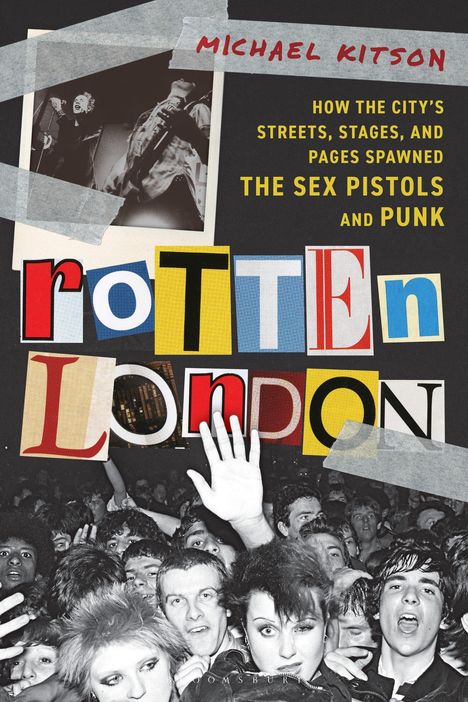
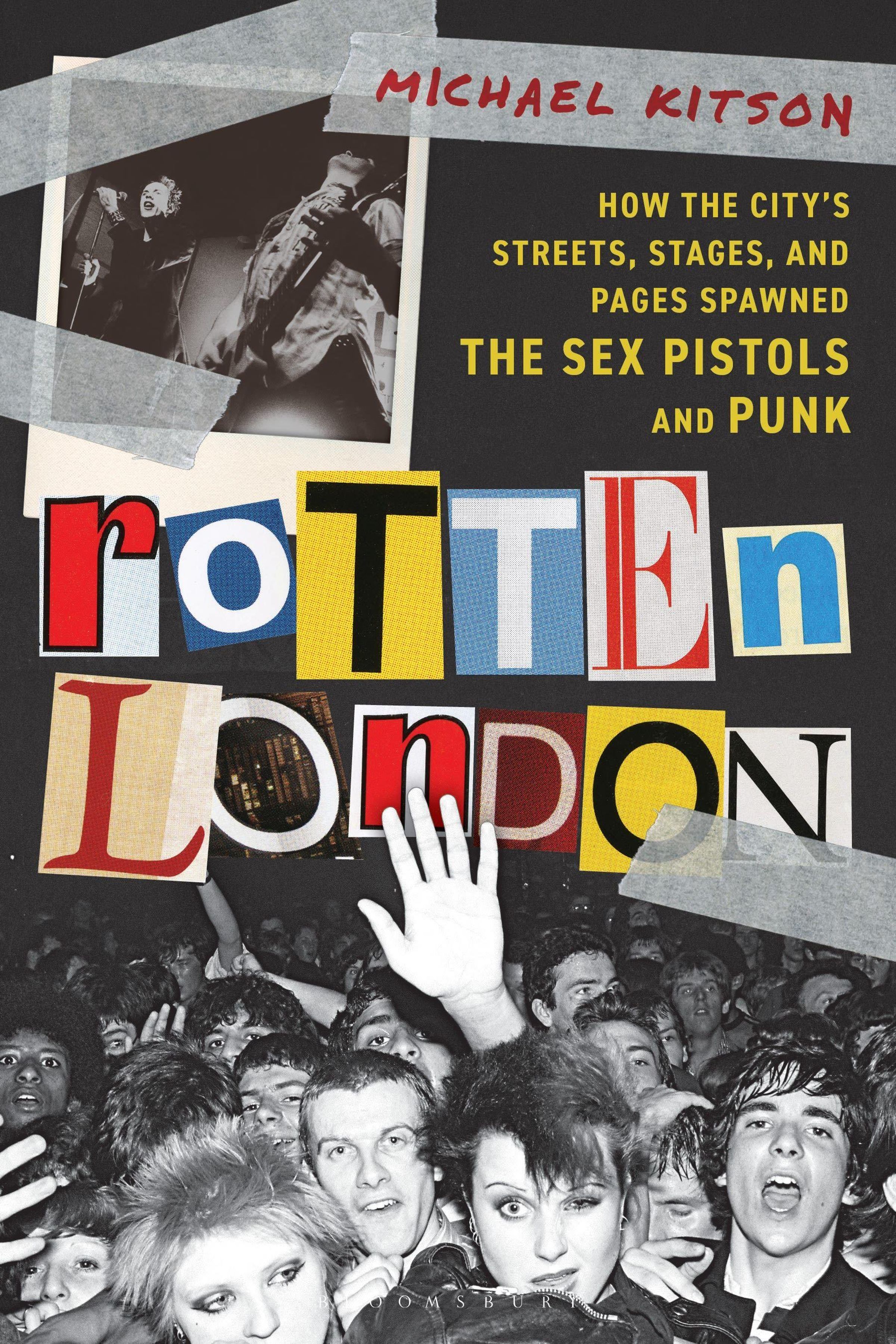
Rotten London
- How the City's Streets, Stages, and Pages Spawned the Sex Pistols and Punk
Sie können den Titel schon jetzt bestellen. Versand an Sie erfolgt gleich nach Verfügbarkeit.
- Verlag:
- Bloomsbury Publishing plc, 02/2027
- Einband:
- Gebunden
- Sprache:
- Englisch
- ISBN-13:
- 9798216455271
- Artikelnummer:
- 12775429
- Umfang:
- 272 Seiten
- Gewicht:
- 370 g
- Maße:
- 229 x 153 mm
- Stärke:
- 14 mm
- Erscheinungstermin:
- 4.2.2027
- Hinweis
-
Achtung: Artikel ist nicht in deutscher Sprache!
Weitere Ausgaben von Rotten London |
Preis |
|---|---|
| Buch, Kartoniert / Broschiert, Englisch | EUR 35,36* |
Klappentext
This book uniquely repositions the Sex Pistols as not just musical revolutionaries but also as inheritors of London's centuries-old subculture of the crowd.
In 1975, a haberdasher at World's End envisioned a new kind of rock 'n' roll. Gathering King's Road urchins, shoplifters, and a ragtag bunch, Malcolm McLaren set up his charges in Denmark Street, London. Subsisting on baked beans and cheap lager, these young assassins stole musical instruments from their idols - Ziggy Stardust, Rod Stewart, Keith Richards - and taught themselves to play poorly. In the process, they became the Sex Pistols. This book explores the chaos of the London crowd and its legacy in the rise of punk, tracing how the city's historic districts and literary ghosts coalesced in the anarchic energies of this notorious and influential cultural moment. It locates the Sex Pistols as successors of London's deep-rooted subculture of the crowd - not just musical revolutionaries.
McLaren knew that Denmark Street had once been home to his hero, Larry Parnes, exploiter of the 1950s teen star Billy Fury. But did he also know that it was the site of the old St Giles Rookery, the notorious 19th-century slum, and haunt of Fagin, Oliver Twist's infamous gang leader who was another of McLaren's unsavoury inspirations? Weaving together influences from Shakespearean drama and Dickensian desperation to the unruly spirit of the 18th-century King Mob riots and more, this book shows how London's legacy of crowds erupted into the glorious cultural chaos of the late 1970s.