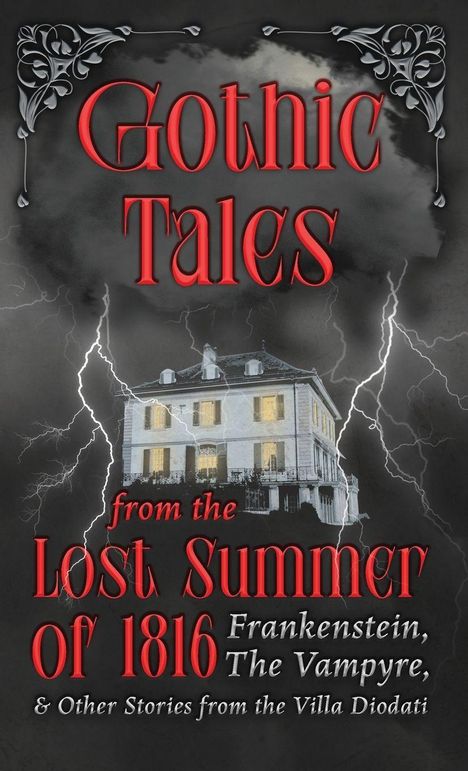
Mary Shelley: Gothic Tales from the Lost Summer of 1816 - Frankenstein, The Vampyre, & Other Stories from the..., Gebunden
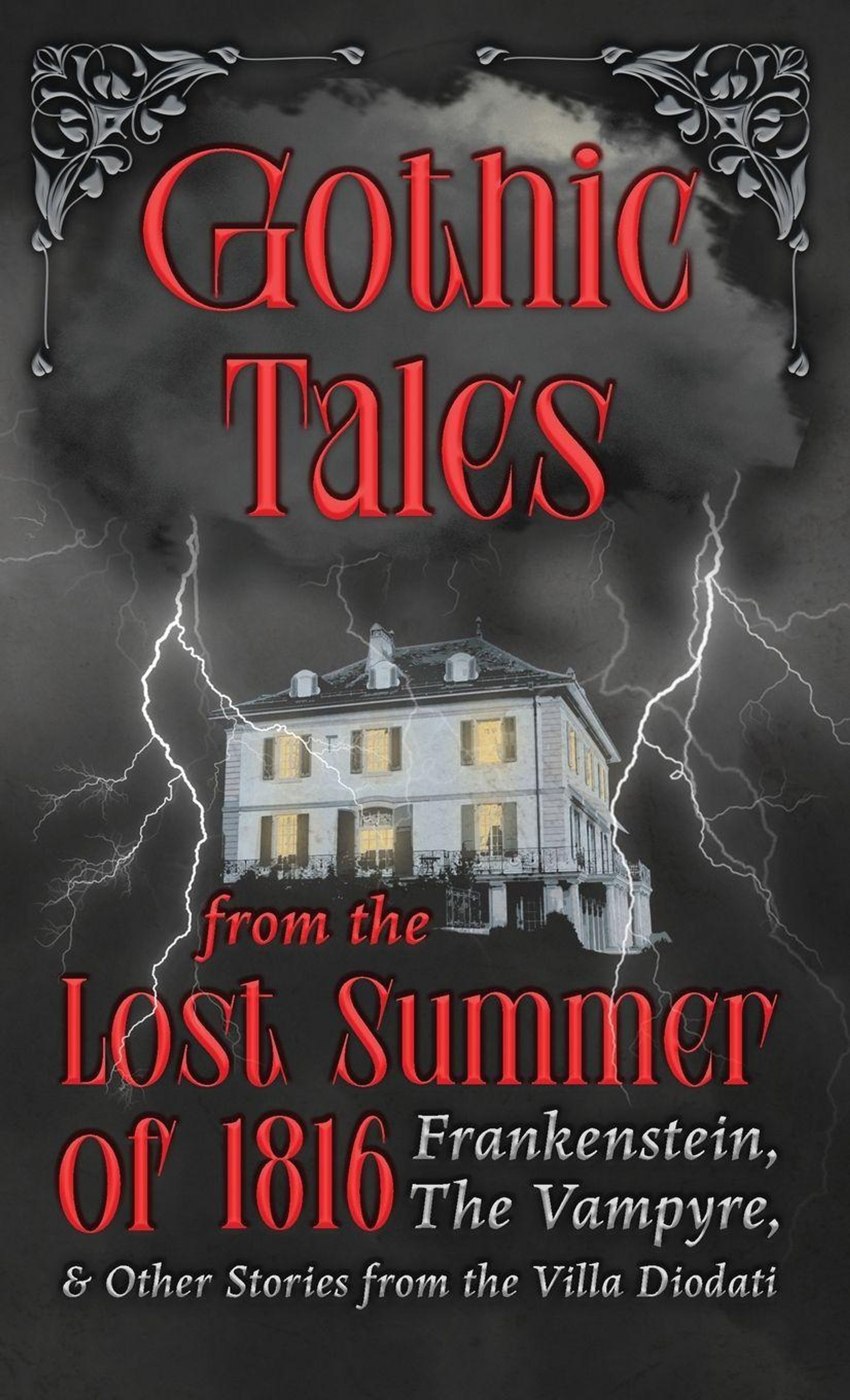
Gothic Tales from the Lost Summer of 1816 - Frankenstein, The Vampyre, & Other Stories from the Villa Diodati
(soweit verfügbar beim Lieferanten)
- Verlag:
- Fantasy and Horror Classics, 02/2019
- Einband:
- Gebunden, HC gerader Rücken kaschiert
- Sprache:
- Englisch
- ISBN-13:
- 9781528772266
- Artikelnummer:
- 11074422
- Umfang:
- 228 Seiten
- Gewicht:
- 441 g
- Maße:
- 222 x 145 mm
- Stärke:
- 16 mm
- Erscheinungstermin:
- 14.2.2019
- Hinweis
-
Achtung: Artikel ist nicht in deutscher Sprache!
Weitere Ausgaben von Gothic Tales from the Lost Summer of 1816 - Frankenstein, The Vampyre, & Other Stories from the Villa Diodati |
Preis |
|---|
Klappentext
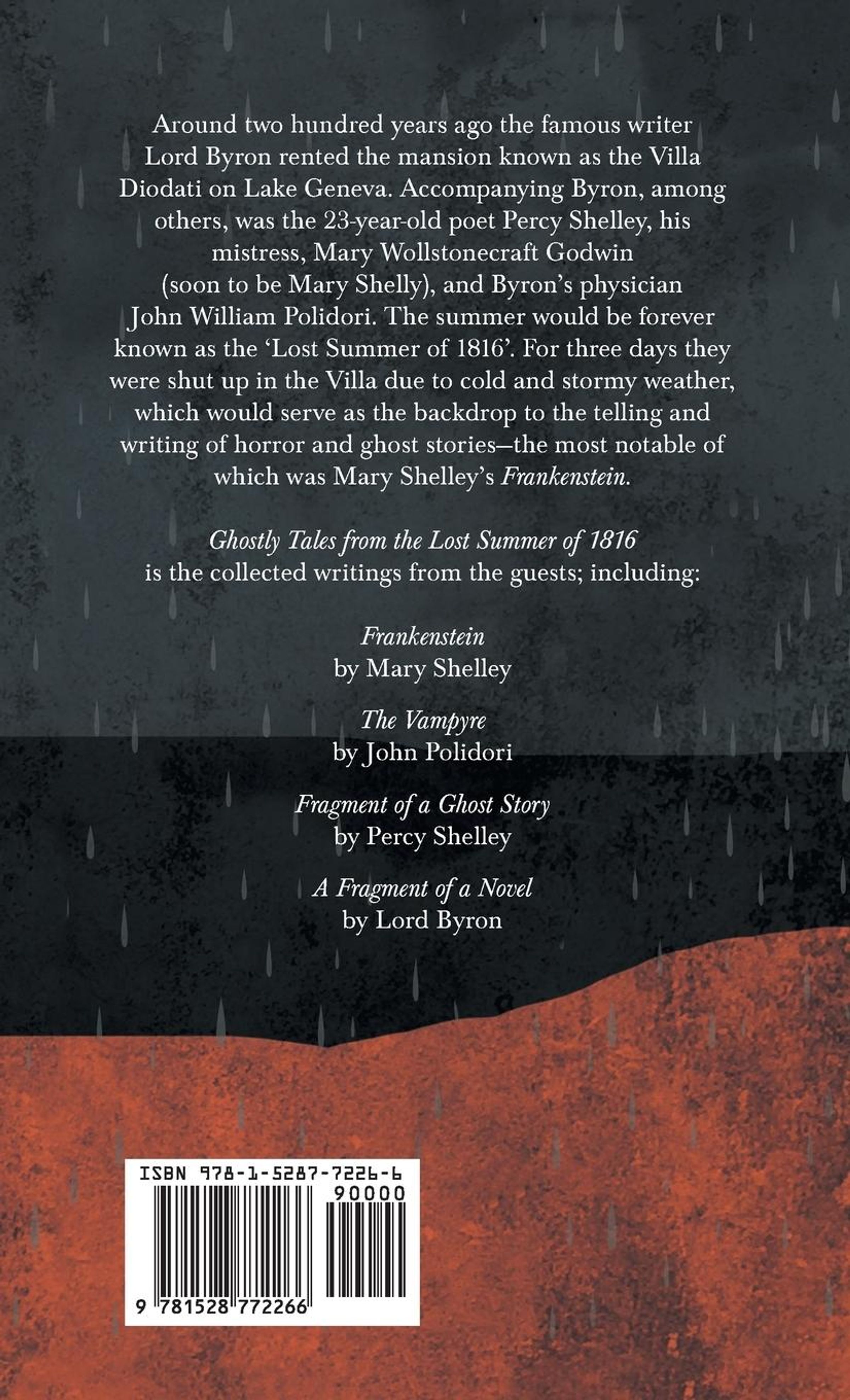
On a stormy summer in 1816, a group of pioneering writers gathered in a mansion on Lake Geneva and wrote some of English literature's most influential Gothic Horror stories, including Frankenstein and The Vampyre. This is a collection of their work.
A volcanic eruption in Indonesia caused global climatic disruption and 1816 became known as the 'Year Without a Summer'. This uncertain, subliminal time became a pivotal moment in the emergence of modern horror literature. Trapped indoors by weeks of relentless storms, a group of brilliant literary minds, including Percy Bysshe Shelley, Mary Wollstonecraft Shelley (then Mary Godwin), and John Polidori, were challenged by Lord Byron to each write a tale of the supernatural. The resulting works, produced in a spirit of intellectual rivalry and imaginative experimentation, would exert a lasting influence on Gothic fiction.
This collection features the complete literary output of that legendary gathering at the Villa Diodati:
- Frankenstein; or, The Modern Prometheus by Mary Wollstonecraft Shelley
- The Vampyre by John Polidori
- A Fragment of a Novel by Lord Byron
- Fragment of a Ghost Story by Percy Bysshe Shelley
Together, these works mark a decisive moment in literary history that continues to shape critical understandings of horror and the supernatural. This collection is the ideal read for those interested in how a single cultural moment crystallised the modern Gothic genre.