Maia Hruska: Kafkaesque, Gebunden
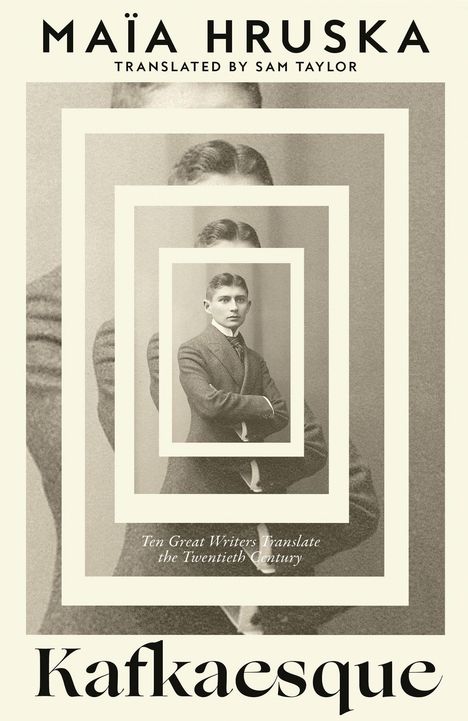
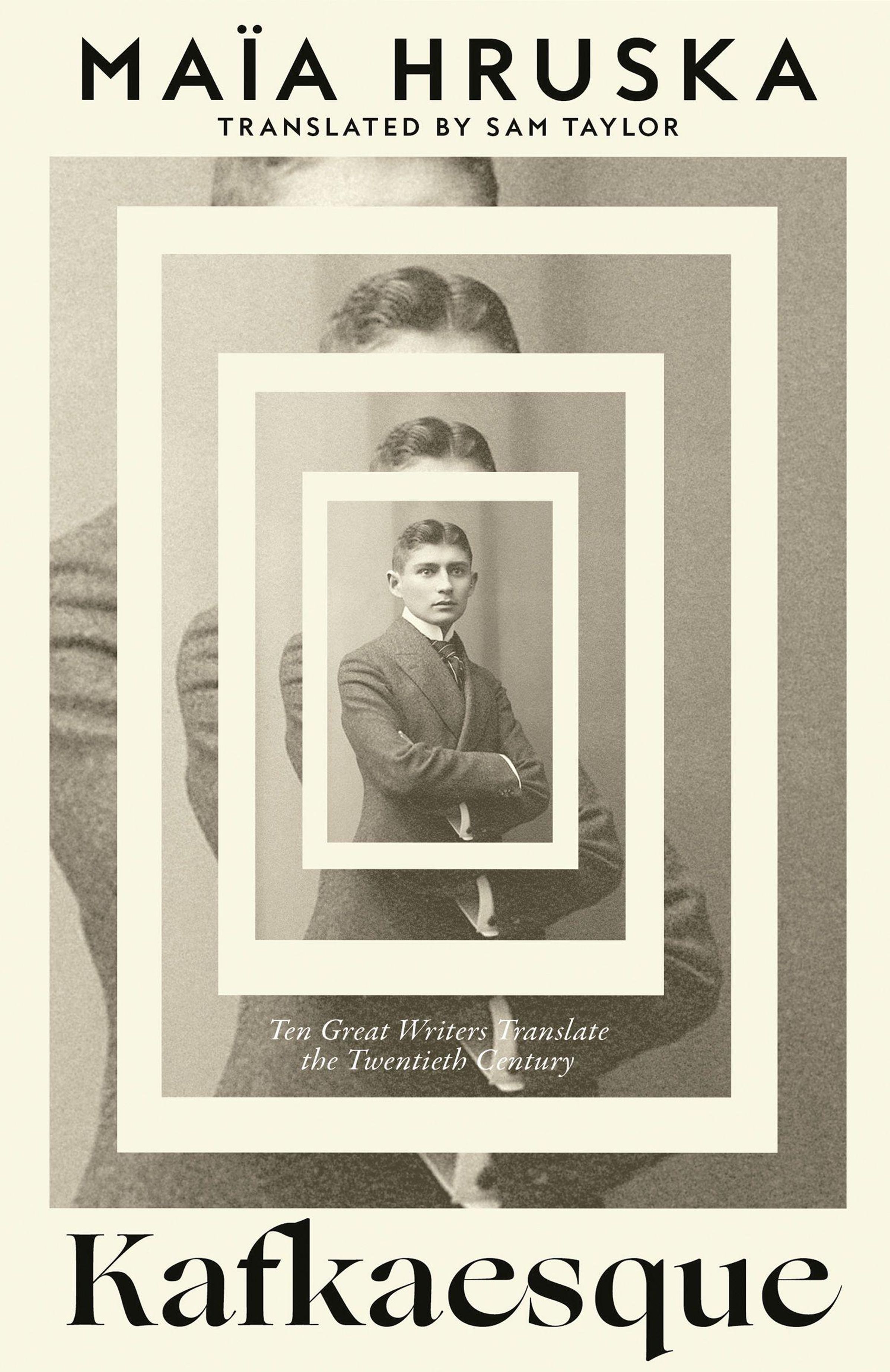
Kafkaesque
- Ten Great Writers Translate the Twentieth Century
(soweit verfügbar beim Lieferanten)
- Verlag:
- HarperCollins Publishers, 04/2026
- Einband:
- Gebunden
- Sprache:
- Englisch
- ISBN-13:
- 9780008768614
- Artikelnummer:
- 12353379
- Umfang:
- 272 Seiten
- Gewicht:
- 270 g
- Maße:
- 222 x 141 mm
- Stärke:
- 18 mm
- Erscheinungstermin:
- 9.4.2026
- Hinweis
-
Achtung: Artikel ist nicht in deutscher Sprache!
Weitere Ausgaben von Kafkaesque |
Preis |
|---|
Klappentext
*A New Statesman Best Summer Read*
**'A book to underline endlessly, to carry around until battered, and then to tell all your friends to buy because you're too reluctant to give up your own copy. A wonder'**Polly Barton
'Brings a welcome freshness of vision and a dashing style ... provocative and illuminating' The Spectator
What happens to a writer's work when it's translated - specifically, what happens if his name is Franz Kafka?
After Kafka died young and unknown, a German-speaking Jew in Prague, ten writers rescued him from oblivion. For years, long before he became a much misused adjective, Kafka existed mostly through their wildly different readings of his words.
Many of his first translators would later be counted among the greatest thinkers and writers of the twentieth century - and they all found in Kafka's writing a guiding light through the dark of their own tumultuous lives. Primo Levi translated Kafka into Italian from the German he had learned in Auschwitz; Milena Jesenská lovingly into Czech before she too was deported to the camps; Bruno Schulz into Polish before being shot by an SS officer; and Jorge Luis Borges into Spanish as he slowly went blind. Vladimir Nabokov annotated The Metamorphosis in exile, having undergone his own transformation from native to foreigner, while Kafka's translators back in Russia were condemned to perpetual anonymity by the Soviet censor.
With inventiveness, spirit and wit, Maïa Hruska has written a celebration of the impossible art of translation, and a portrait of the tragic, absurd twentieth century that Kafka so presciently described.
'Dazzling ... one fine day, you open a book by an unknown writer, and a charge of pure talent blows you away' La Tribune