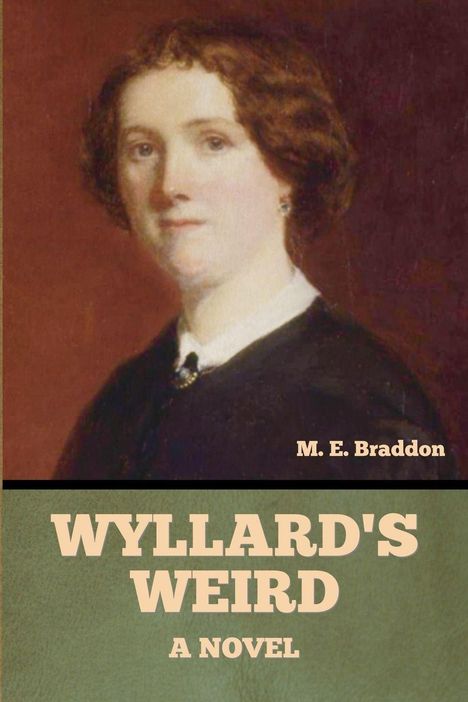
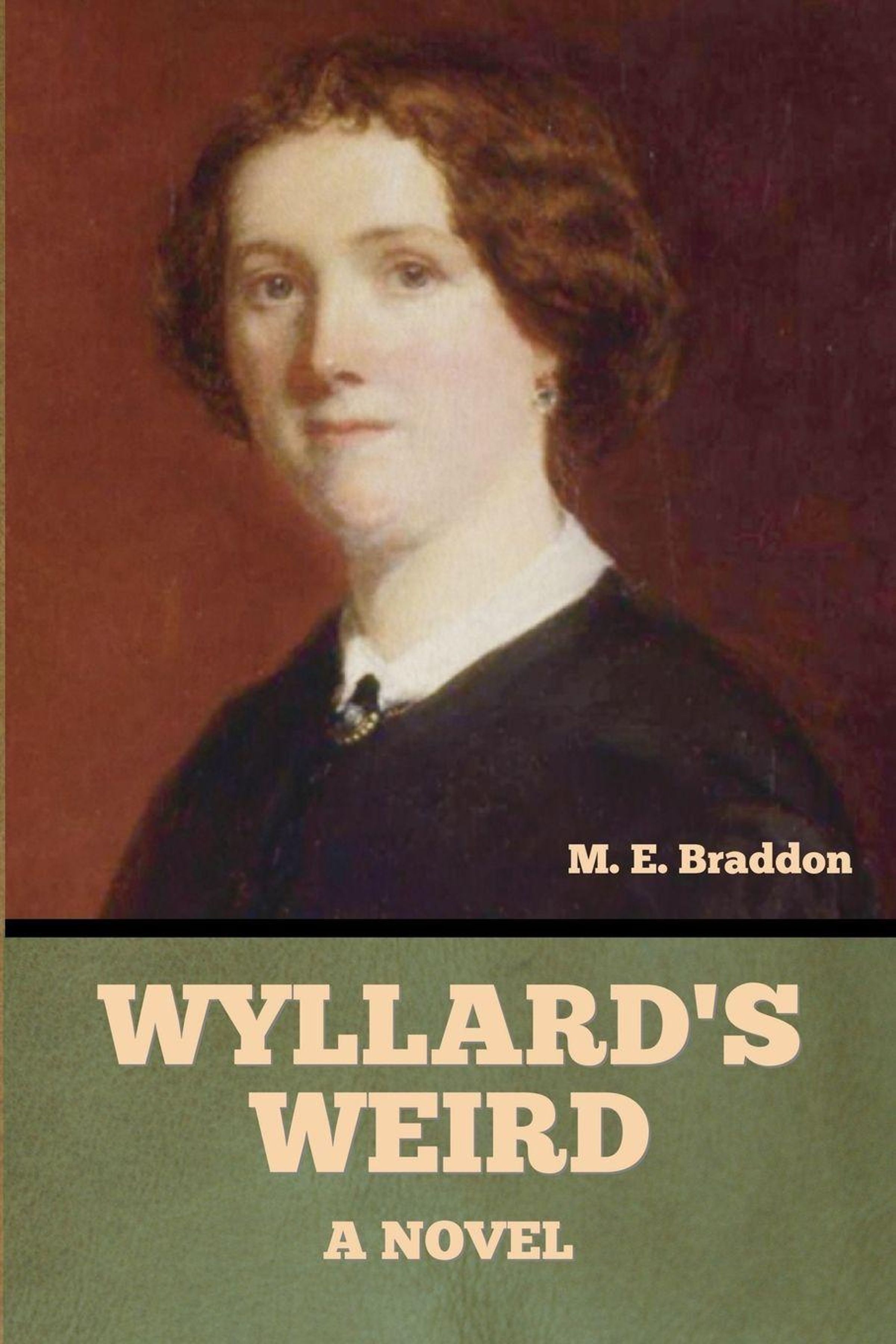
M. E. Braddon: Wyllard's Weird, Kartoniert / Broschiert
Wyllard's Weird
- A Novel
(soweit verfügbar beim Lieferanten)
- Verlag:
- Bibliotech Press, 05/2026
- Einband:
- Kartoniert / Broschiert
- Sprache:
- Englisch
- ISBN-13:
- 9798897733491
- Artikelnummer:
- 12720814
- Umfang:
- 302 Seiten
- Gewicht:
- 493 g
- Maße:
- 229 x 152 mm
- Stärke:
- 18 mm
- Erscheinungstermin:
- 14.5.2026
- Hinweis
-
Achtung: Artikel ist nicht in deutscher Sprache!
Klappentext
Mary Elizabeth Braddon's Wyllard's Weird is a late-Victorian sensation novel that blends mystery, psychological tension, and social drama. At its core lies the question of identity-both the hidden identities people guard and the mistaken identities that can unravel lives.
The story opens with the mysterious disappearance and death of Marie Arnold, a Frenchwoman whose body is discovered on the coast of Cornwall. Her death appears to be an accident, yet a lingering sense of unease surrounds the circumstances. This uncertainty draws a web of suspicion around the novel's central figures, particularly the wealthy and somewhat enigmatic Julian Wyllard, after whom the book is titled. The term "weird" in the title gestures both to fate and to the uncanny aura that surrounds Wyllard, whose past and personality invite speculation.
Braddon entwines several narrative strands: a potential love triangle, questions of inheritance, and the moral ambiguities of Victorian respectability. The young schoolmistress, Dora Wyllard, becomes a focal point of emotional and social tension, while the journalist Reginald Hawke takes on the role of investigator, pushing against the polite façades of society to uncover the truth. His inquiries reveal fraught relationships, long-buried secrets, and the vulnerability of women whose safety and reputations rely on the shifting judgments of men.
As clues accumulate, the novel navigates themes of guilt, obsession, and the destructive power of rumor. Braddon uses shifting perspectives and red herrings to maintain suspense, inviting readers to question not only who is responsible for Marie Arnold's death but also how Victorian society decides who is worthy of trust. In the end, the resolution exposes the tragic consequences of misinterpretation and suppressed emotional turmoil, aligning the work with Braddon's broader interest in the psychological shadows that lurk beneath genteel surfaces.
Wyllard's Weird thus functions both as a mystery and as a critique of the era's moral rigidity. Through its atmospheric setting and intricate plot, it illustrates how personal histories and social expectations converge to shape destinies-sometimes with fatal results.
About the Author
Mary Elizabeth Braddon (1835-1915) was one of the most successful and influential novelists of the Victorian age, best known for her pioneering work in the sensation novel-a genre that blended mystery, crime, and domestic drama. Born in London, she was raised primarily by her mother after her parents separated, an experience that may have informed her interest in the hidden conflicts and moral ambiguities of family life.
Before becoming a writer, Braddon briefly worked as an actress under the name Mary Seyton, but she soon turned to fiction, publishing serialized stories that captured popular taste. Her major success came with Lady Audley's Secret (1862), a sensational tale of deceit, bigamy, and madness that both scandalized and fascinated Victorian readers. The novel's complex portrayal of a woman defying social expectations helped establish Braddon as a major literary figure and defined the era's fascination with crime and female transgression.
Throughout her career, Braddon remained remarkably prolific, producing more than eighty novels. Among her best-known works are Aurora Floyd (1863), John Marchmont's Legacy (1863), and The Doctor's Wife (1864). Her fiction often explored the limitations placed on women and the instability beneath the surface of respectable domestic life. In addition to writing, Braddon founded and edited Belgravia magazine, which published fiction, essays, and poetry, and helped shape the literary culture of her time. ...
Mehr von M. E. Braddon