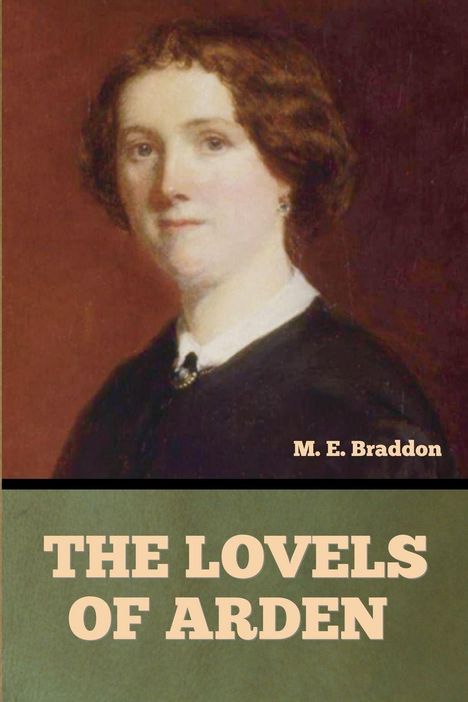
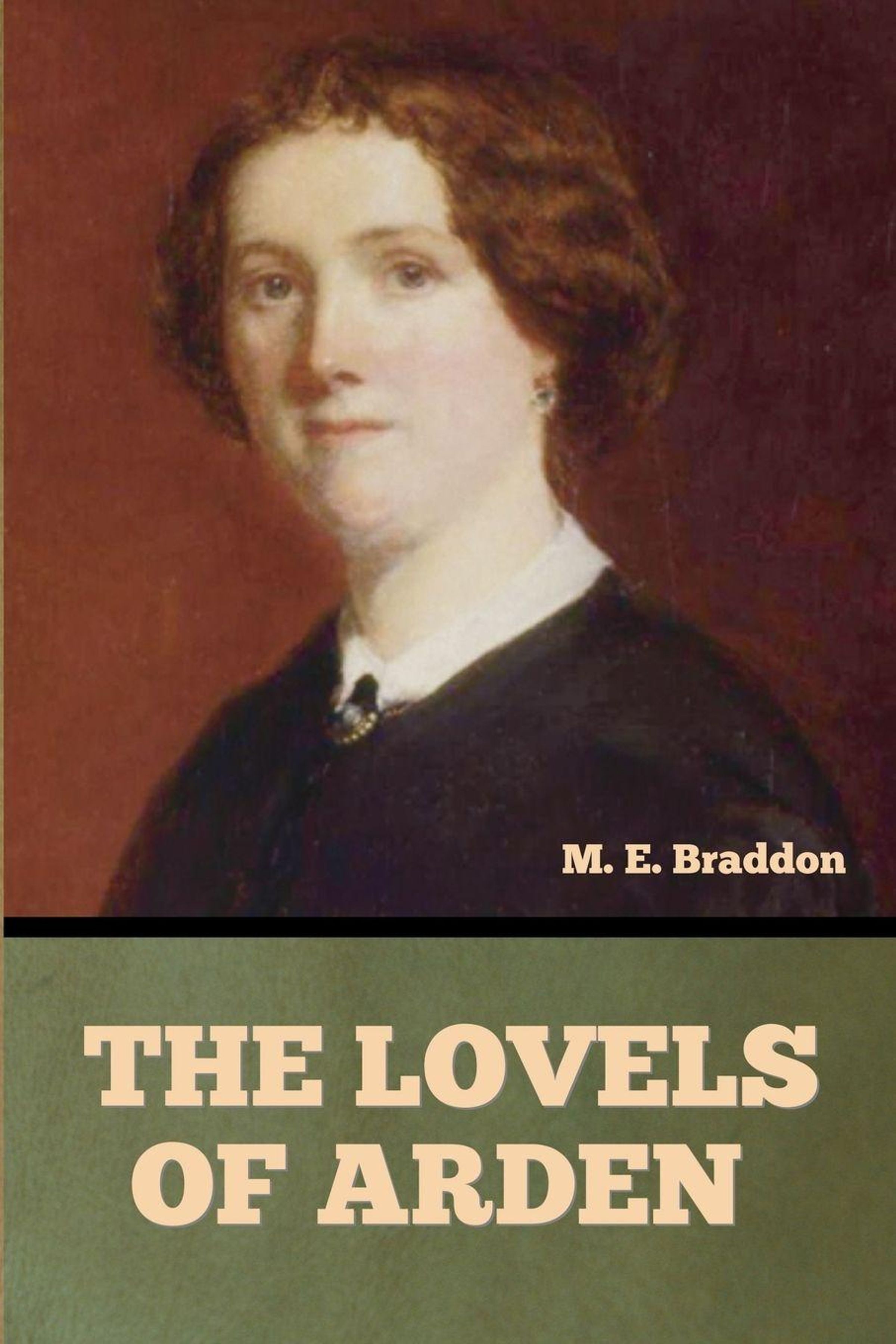
M. E. Braddon: The Lovels of Arden, Kartoniert / Broschiert
The Lovels of Arden
(soweit verfügbar beim Lieferanten)
- Verlag:
- Bibliotech Press, 05/2026
- Einband:
- Kartoniert / Broschiert
- Sprache:
- Englisch
- ISBN-13:
- 9798897733477
- Artikelnummer:
- 12720793
- Umfang:
- 324 Seiten
- Gewicht:
- 528 g
- Maße:
- 229 x 152 mm
- Stärke:
- 19 mm
- Erscheinungstermin:
- 14.5.2026
- Hinweis
-
Achtung: Artikel ist nicht in deutscher Sprache!
Weitere Ausgaben von The Lovels of Arden |
Preis |
|---|---|
| Buch, Kartoniert / Broschiert, Paperback, Englisch | EUR 34,90* |
| Buch, Gebunden, Englisch | EUR 59,90* |
| Buch, Gebunden, Englisch | EUR 59,90* |
| Buch, Kartoniert / Broschiert, Englisch | EUR 34,90* |
| Buch, Kartoniert / Broschiert, Englisch | EUR 34,90* |
| Buch, Gebunden, HC gerader Rücken kaschiert, Englisch | EUR 59,90* |
Klappentext
The Lovels of Arden is a Victorian sensation novel that intertwines mystery, romance, and family inheritance drama to explore the destructive power of secrets and the fragile nature of identity. The story centers on Clarissa Lovel, a sensitive and intelligent young woman whose life is overshadowed by her father's coldness and the lingering disgrace associated with their declining family estate, Arden Court. When Clarissa is sent to a Parisian finishing school, she encounters the enigmatic George Fairfax, a wealthy man whose flirtation with her begins as a diversion but deepens into a powerful emotional bond. Their connection, however, is compromised by his engagement to another woman-Honoria Trevornock, a proud and formidable figure whose presence threatens any hope Clarissa may have for happiness.
The narrative gathers momentum as George becomes increasingly entangled with Clarissa, even after marrying Honoria. Braddon uses this emotional triangle to expose social hypocrisy and the moral double standards placed on women. While George moves freely through society despite his indiscretions, Clarissa's reputation hangs by a thread. Suspense heightens when a mysterious figure-Clarissa's estranged brother, Oliver-returns under a cloud of suspicion, and the novel's central secrets involving identity and inheritance begin to unravel.
Ultimately, Clarissa's path is marked by endurance rather than dramatic rebellion; she must navigate betrayal, societal judgment, and personal loss. The novel concludes with the revelation of long-buried truths that reshape the characters' relationships and restore a degree of moral order. In typical sensation-novel fashion, Braddon blends domestic realism with psychological tension, crafting a narrative that critiques Victorian conventions while offering a compelling portrait of a woman striving to reclaim dignity and emotional security amid a world shaped by privilege, desire, and deception.
About the Author
Mary Elizabeth Braddon (1835-1915) was one of the most successful and influential novelists of the Victorian age, best known for her pioneering work in the sensation novel-a genre that blended mystery, crime, and domestic drama. Born in London, she was raised primarily by her mother after her parents separated, an experience that may have informed her interest in the hidden conflicts and moral ambiguities of family life.
Before becoming a writer, Braddon briefly worked as an actress under the name Mary Seyton, but she soon turned to fiction, publishing serialized stories that captured popular taste. Her major success came with Lady Audley's Secret (1862), a sensational tale of deceit, bigamy, and madness that both scandalized and fascinated Victorian readers. The novel's complex portrayal of a woman defying social expectations helped establish Braddon as a major literary figure and defined the era's fascination with crime and female transgression.
Throughout her career, Braddon remained remarkably prolific, producing more than eighty novels. Among her best-known works are Aurora Floyd (1863), John Marchmont's Legacy (1863), and The Doctor's Wife (1864). Her fiction often explored the limitations placed on women and the instability beneath the surface of respectable domestic life. In addition to writing, Braddon founded and edited Belgravia magazine, which published fiction, essays, and poetry, and helped shape the literary culture of her time.
Her personal life was unconventional: she lived with the publisher John Maxwell for many years and married him after his first wife's death in 1874. Despite social criticism, she managed to balance a large family with an extraordinarily productive writing career. ...