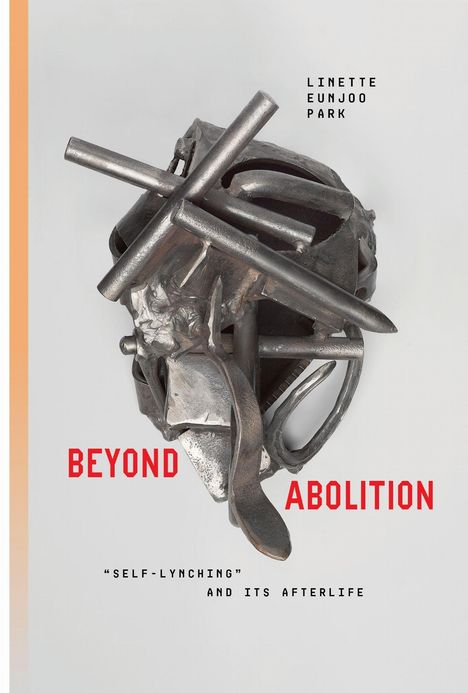
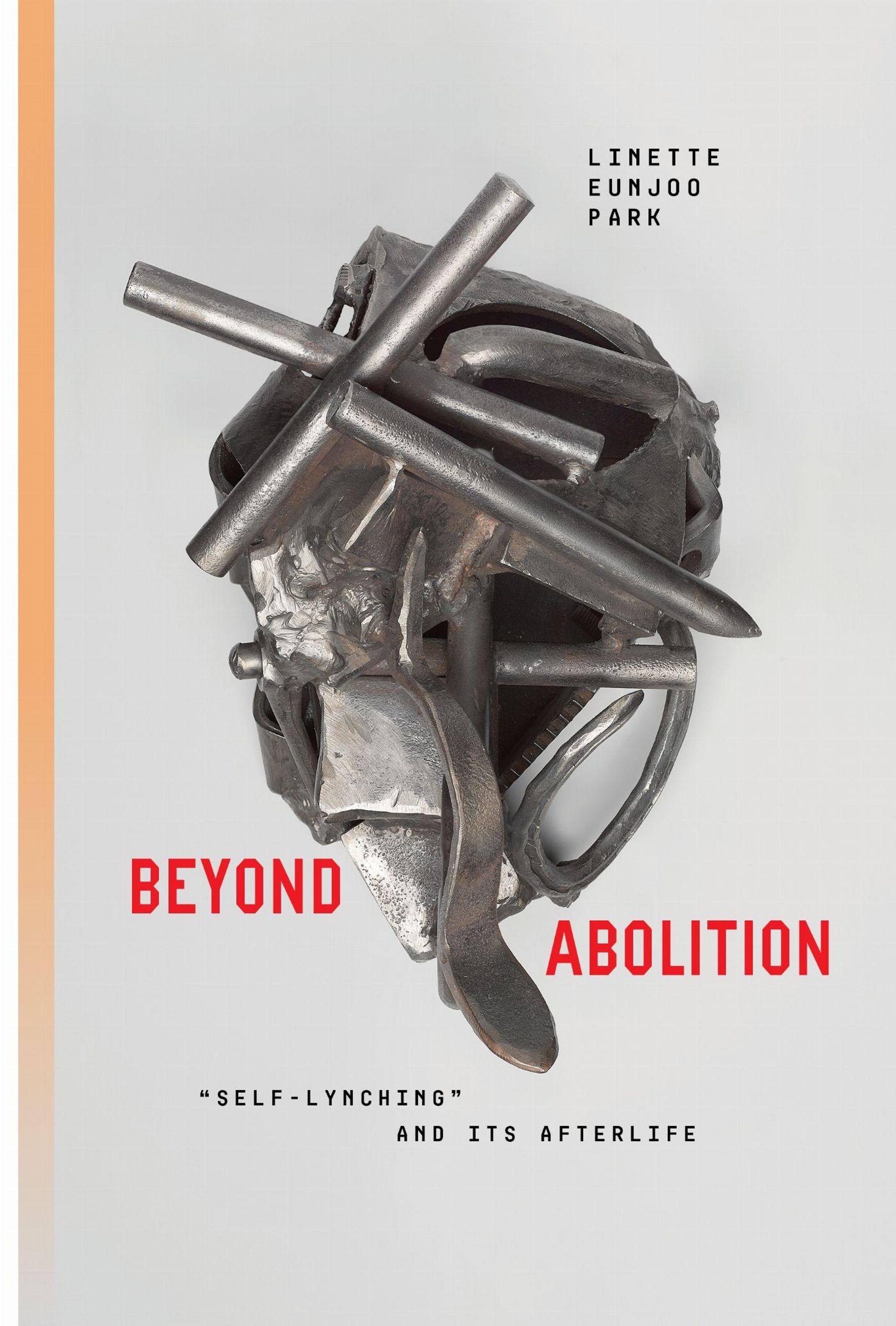
Linette Eunjoo Park: Beyond Abolition, Gebunden
Beyond Abolition
- "Self-Lynching" and Its Afterlife
(soweit verfügbar beim Lieferanten)
- Verlag:
- Stanford University Press, 10/2026
- Einband:
- Gebunden
- Sprache:
- Englisch
- ISBN-13:
- 9781503630543
- Artikelnummer:
- 12631712
- Umfang:
- 304 Seiten
- Gewicht:
- 544 g
- Maße:
- 229 x 150 mm
- Stärke:
- 23 mm
- Erscheinungstermin:
- 6.10.2026
- Hinweis
-
Achtung: Artikel ist nicht in deutscher Sprache!
Weitere Ausgaben von Beyond Abolition |
Preis |
|---|---|
| Buch, Kartoniert / Broschiert, Englisch | EUR 30,85* |
Klappentext
In this pathbreaking work, Linette Eunjoo Park tackles a core crisis in modern thought: how to critique antiblack violence without inadvertently preserving the violence itself. Arguing that previous radical theories -- from critiques of racial capitalism to discourses of abolition -- have failed to capture the unique, foundational violence of antiblackness, Park develops a framework that challenges the very limits of what critical thought can achieve against the staggering evidence of antiblackness.
The book moves beyond conventional historical or legal analyses to examine how antiblack violence -- specifically through the concept of the "self-lynching" -- is produced and enforced by the very legal and symbolic systems designed to abolish it. Focusing on contemporary arrests made under the "felony lynching" penal code in California, the book unearths a genealogy that authorizes these charges. Through an innovative analysis of case studies -- including the historical elision of anti-lynching activist Delilah Beasley, Melvin Edwards's sculptures, Torkwase Dyson's paintings, and the judicial spectacle of Clarence Thomas's hearing -- Beyond Abolition reveals the ultimate failure of racial representation to contain or critique antiblackness. By tarrying with these aesthetic and juridical fragments, the book exposes a structural and psychical "lynching" of blackness that persists even, and especially, within our most celebrated critical frameworks. It proposes a methodological shift: the urgent need to move past the imagination of a "real abolition" and toward the confrontation with the un-settable, violent foundation of the modern world.