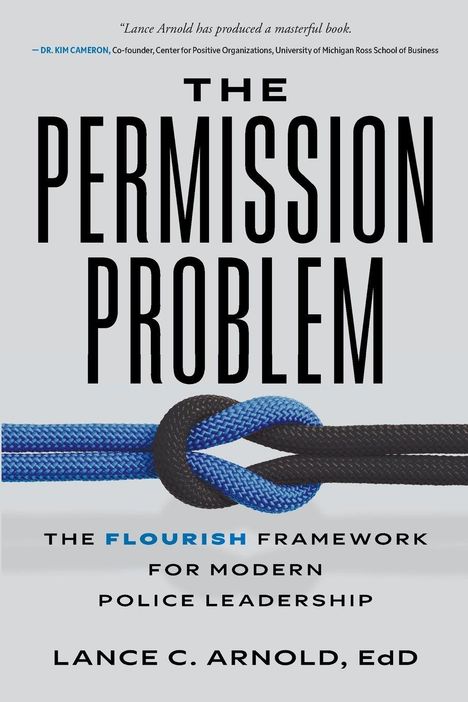
Lance C Arnold: The Permission Problem, Kartoniert / Broschiert
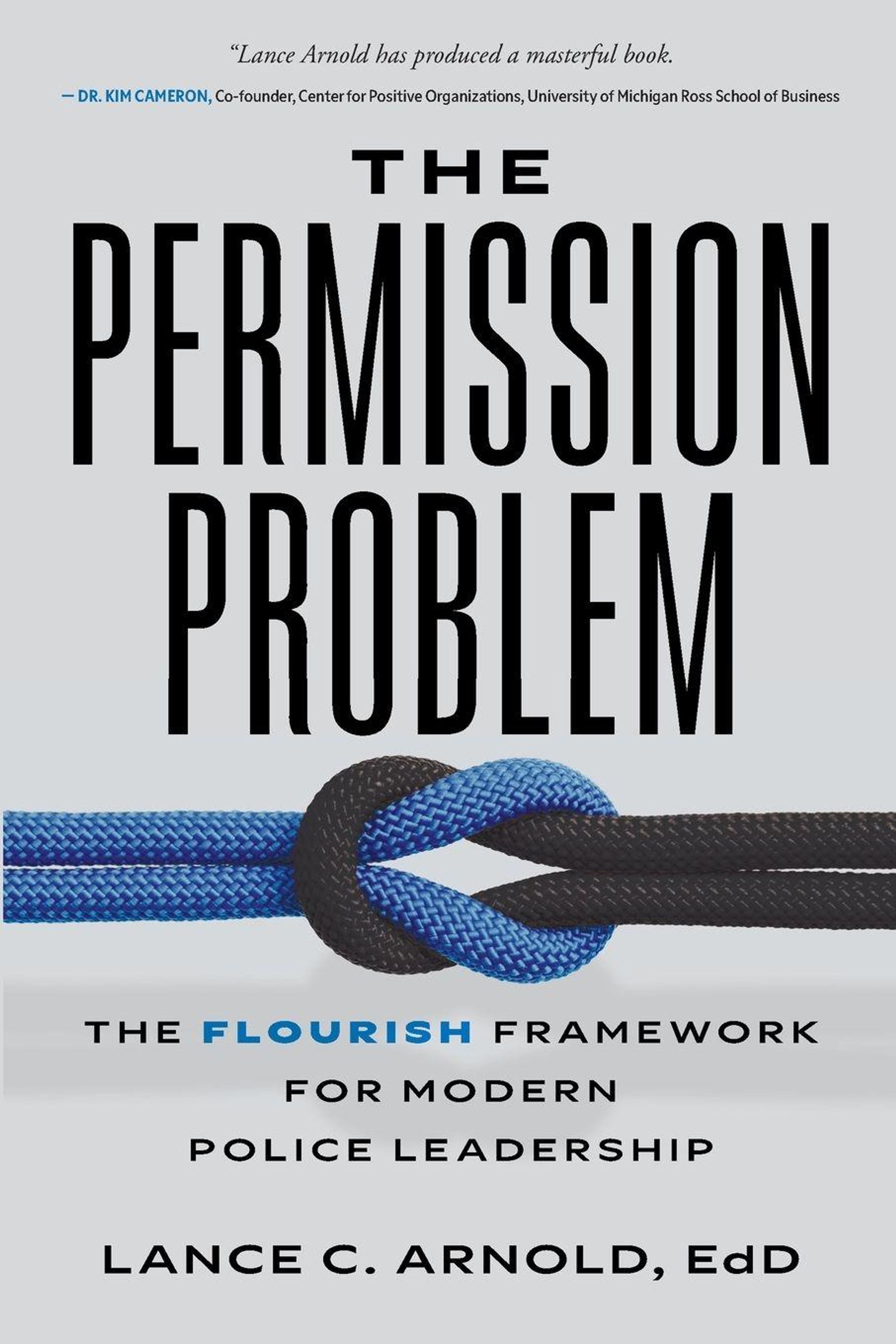
The Permission Problem
- The FLOURISH Framework for Modern Police Leadership
(soweit verfügbar beim Lieferanten)
- Verlag:
- Arnold Leadership Group, 09/2026
- Einband:
- Kartoniert / Broschiert
- Sprache:
- Englisch
- ISBN-13:
- 9798996235506
- Artikelnummer:
- 12903099
- Umfang:
- 272 Seiten
- Gewicht:
- 367 g
- Maße:
- 229 x 152 mm
- Stärke:
- 14 mm
- Erscheinungstermin:
- 15.9.2026
- Hinweis
-
Achtung: Artikel ist nicht in deutscher Sprache!
Klappentext
Policing has a permission problem.
A captain sends an email to his supervisor on a Tuesday afternoon. Six months into dismantling the most toxic workplace he has encountered in twenty years, he writes one honest line: I need support. I don't know how much longer I can do this.
The major never responds. Not that day. Not ever. That silence became a doctoral dissertation, and then this book.
For decades, policing has answered its hardest problems the same way. Hire better people. Train them harder. Hold the wrong individuals accountable. Raise the pay, add a wellness program, and run a community outreach campaign. Each response contains some truth, and each one functions as a diagnosis. The fires keep burning.
Lance C. Arnold, EdD, is an active police chief with nearly three decades in the profession and a doctorate in organizational leadership. Drawing on his research, two years of original climate-survey data from his own agency, and a career through every supervisory rank, he makes an uncomfortable argument: police organizations produce exactly the outcomes their leadership systems are designed to produce. What is broken is not the character of the people in the building. It is the design.
The fix is not a better chief. It is a leadership operating system, built into the structures that shape behavior, that runs whether or not the person who built it is still in the chair. Arnold calls it FLOURISH.
Inside the book: Why training transfers knowledge while development builds capacity, and why policing keeps buying the first and expecting the second The eight FLOURISH domains, each with what it diagnoses, what it prescribes, what it looks like on a Tuesday, and the behavior that anchors it The Personal Management Interview: a seven-item agenda and an operational cadence that carries the framework into daily supervision A promotion process built on behavioral observation, 360-degree input, and judgment tested against real leadership scenarios, rather than testing performance Accountability that flows in four directions, including upward, before a crisis forces the question
Two groups have quietly agreed that none of this can change. Officers below the rank of chief have decided their leadership is not movable. Chiefs have decided their systems are not. One group has concluded the problem is at the top, the other that it is beyond them, and both have stopped asking. The Permission Problem names that agreement, traces where it came from, and shows what becomes available when someone breaks it.
Written for chiefs and command staff, for sergeants and lieutenants leading inside cultures they did not design, and for anyone responsible for people doing hard work under systems that were never built to support them.
The gap between what policing produces and what it could produce is not a matter of luck, or budget, or exceptional individuals. It is a matter of permission. And permission has never been something that flows down from the top.