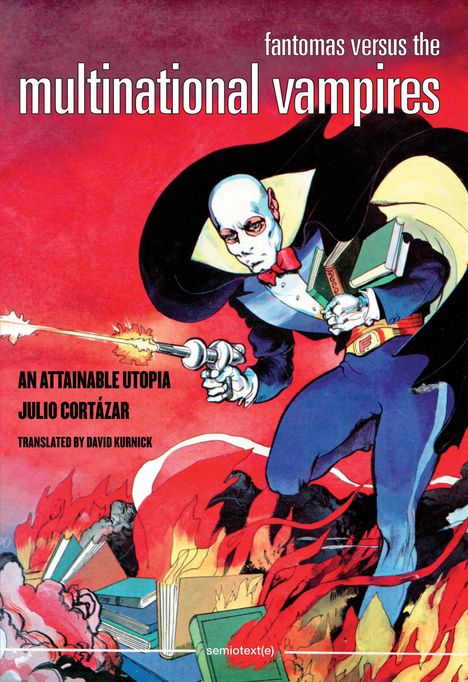
Julio Cortázar: Fantomas Versus the Multinational Vampires, Kartoniert / Broschiert
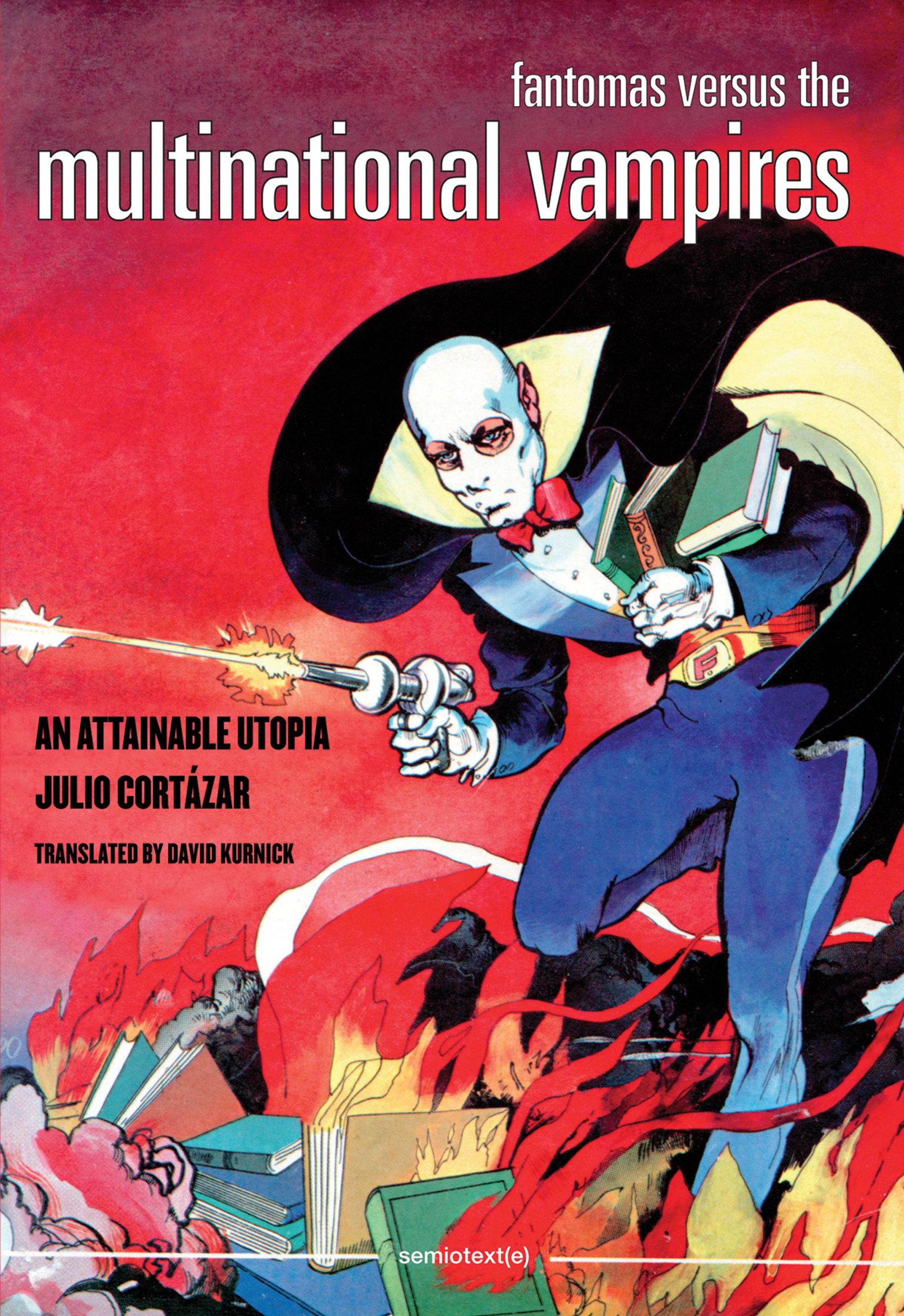
Fantomas Versus the Multinational Vampires
- An Attainable Utopia
(soweit verfügbar beim Lieferanten)
- Übersetzung:
- David Kurnick
- Verlag:
- MIT Press, 08/2014
- Einband:
- Kartoniert / Broschiert
- Sprache:
- Englisch
- ISBN-13:
- 9781584351344
- Artikelnummer:
- 5153606
- Gewicht:
- 162 g
- Maße:
- 203 x 142 mm
- Stärke:
- 6 mm
- Erscheinungstermin:
- 1.8.2014
- Hinweis
-
Achtung: Artikel ist nicht in deutscher Sprache!
Klappentext
The first translation of Julio Cortázar's genre-jumping meta-comic / novella, featuring Cortázar himself, Susan Sontag, and Octavio Paz in a race to prevent international bibliocide.
Octavio Paz: "If you love art, do something, Fantomas!" Fantomas: "I will, you can depend on it."
First published in Spanish in 1975 and previously untranslated, Fantomas versus the Multinational Vampires is Julio Cortázar's genre-jumping mash-up of his participation in the Second Russell Tribunal on human rights abuses in Latin America and his cameo appearance in issue number 201 of the Mexican comic book series Fantomas: The Elegant Menace. With his characteristic narrative inventiveness, Cortázar offers a quixotic meta-comic / novella that challenges not only the form of the novel but its political weight in contemporary cultural life.
Needing something to read on the train from Brussels (where he had attended the ineffectual tribunal meeting), our hero (Julio Cortázar) picks up the latest issue of the Fantomas comic. He grows increasingly absorbed by the comic book's tale of bibliocide (a sinister bibliophobic plot to obliterate every book from the archives of humanity), especially when he sees the character Fantomas embark upon a series of telephone conversations with literary figures, starting with "The Great Argentine Writer" himself, Julio Cortázar (and also including Octavio Paz and a tough-talking Susan Sontag). Soon, Cortázar begins to erase the thin line between real-life atrocities and fictional mayhem in an attempt to bring attention to the human rights violations taking place with impunity in the country from which he was exiled.
Biografie (Julio Cortázar)
Julio Cortazar wurde 1914 in Brüssel geboren und zog im Alter von vier Jahren mit seinen argentinischen Eltern nach Buenos Aires. Dort absolvierte er eine Ausbildung zum Grundschullehrer. 1938 erschien ein erster Gedichtband, und 1944 veröffentlichte er seine erste Erzählung. 1951 ging Cortazar nach Paris, wo er bis 1974 als Übersetzer für die UNESCO tätig war. In Paris verfasste er auch den Roman "Rayuela" (dt. Rayuela. Himmel und Hölle), der in den sechziger Jahren zum Kultbuch einer ganzen Generation von Intellektuellen und Studenten wurde. Seit Mitte der sechziger Jahre begann sein internationaler Ruf stetig zu wachsen. Er wurde bald zu einem der originellsten und kreativsten Autoren Lateinamerikas und zu einem der bedeutendsten Autoren des 20. Jahrhunderts. Julio Cortazar starb am 12. Februar 1984 in Paris.