Julia Prewitt Brown: Reclamations, Gebunden
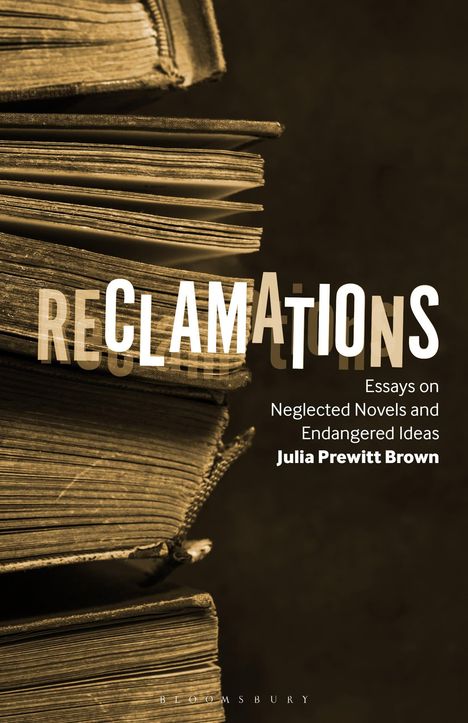
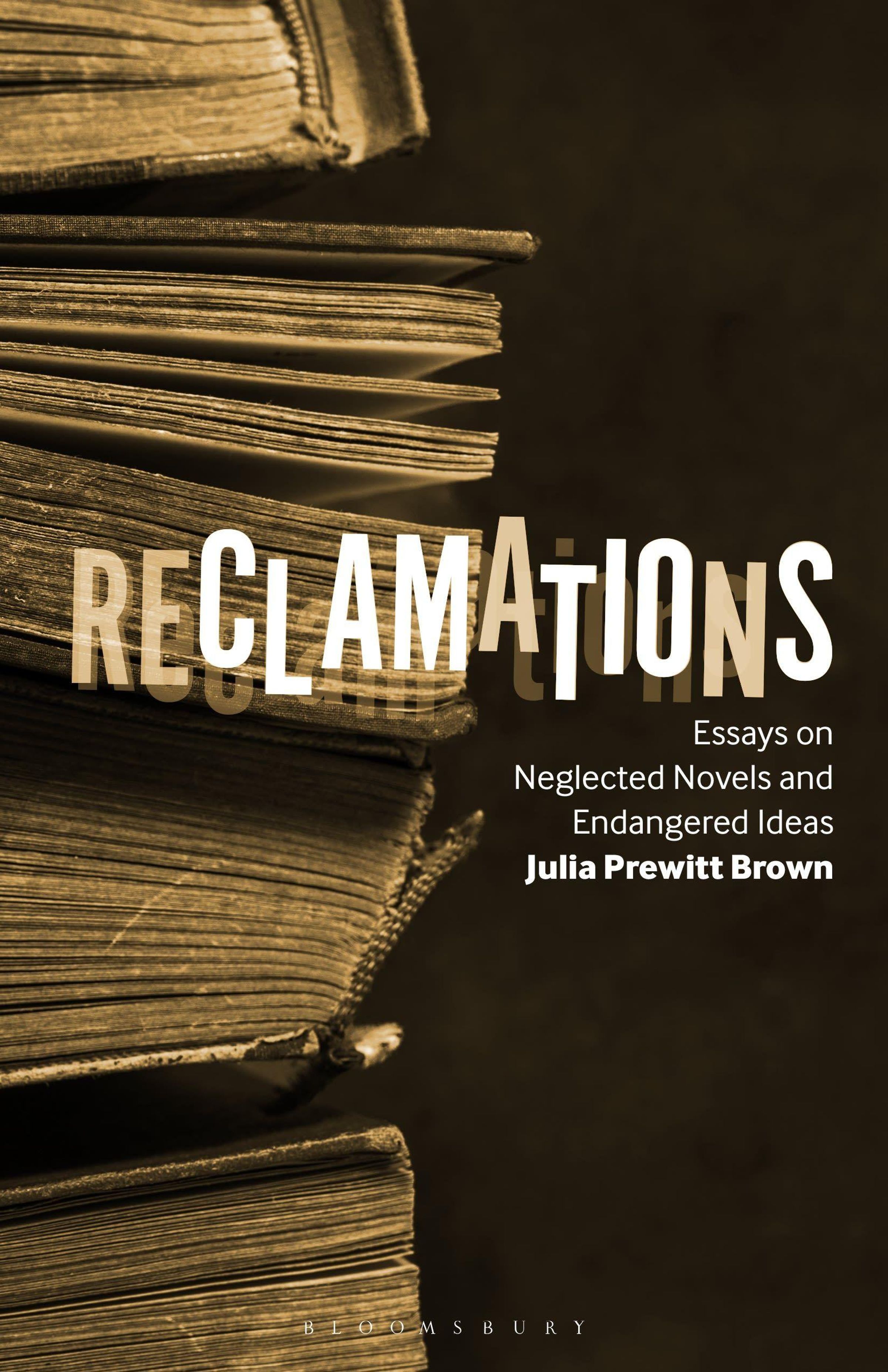
Reclamations
- Essays on Neglected Novels and Endangered Ideas
(soweit verfügbar beim Lieferanten)
- Verlag:
- Bloomsbury Academic, 07/2026
- Einband:
- Gebunden
- Sprache:
- Englisch
- ISBN-13:
- 9798216367222
- Artikelnummer:
- 12591474
- Umfang:
- 172 Seiten
- Gewicht:
- 503 g
- Maße:
- 216 x 28 mm
- Stärke:
- 28 mm
- Erscheinungstermin:
- 9.7.2026
- Hinweis
-
Achtung: Artikel ist nicht in deutscher Sprache!
Weitere Ausgaben von Reclamations |
Preis |
|---|---|
| Buch, Kartoniert / Broschiert, Englisch | EUR 27,53* |
Klappentext
These provocative essays offer a bold vision of the benefits of reading that challenges contemporary trends, reintroducing neglected works of fiction and memoir.
For readers curious to learn about both novels that have been neglected and ideas that are becoming endangered - because they challenge contemporary tastes and values - Reclamationsprovides fresh readings of a curated selection of books from the 19th, 20th, and 21st centuries. Reading a wide range of authors, such as Jane Austen, Oscar Wilde, D. H. Lawrence, James Baldwin, Philip Roth, Kamala Shamsie, and Celeste Ng, Julia Prewitt Brown brings together her years of teaching experience and razor-sharp commentary to open up new ways of looking at the past and present, interrogating how people today see the world and literature's place in it.
Rather than a chronological progression, these nine essays aim to guide readers through a series of questions concerning contemporary tastes, morality, character building, and philosophical thought in literature. What is it about Lawrence that scares people? What did the Victorians understand about the effects of wealth on character that we've forgotten? Is the idea of agency replacing the idea of character in today's popular fiction? Can a novelist light a reader's path with unanswerable questions?
The neglected novels and ideas highlighted in Reclamationsdeserve attention today not only because of their distinctiveness, but also because the fact of their neglect helps us understand the cultural present.