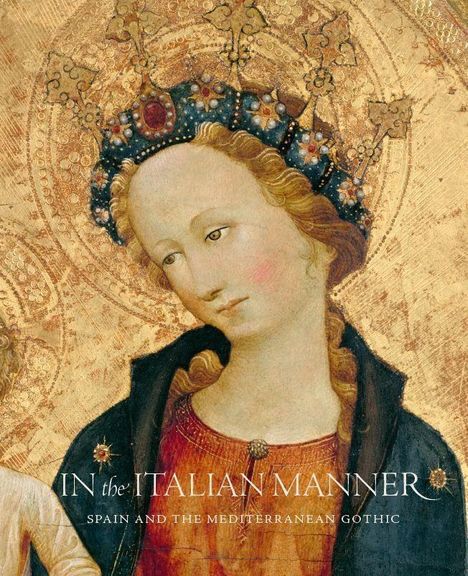
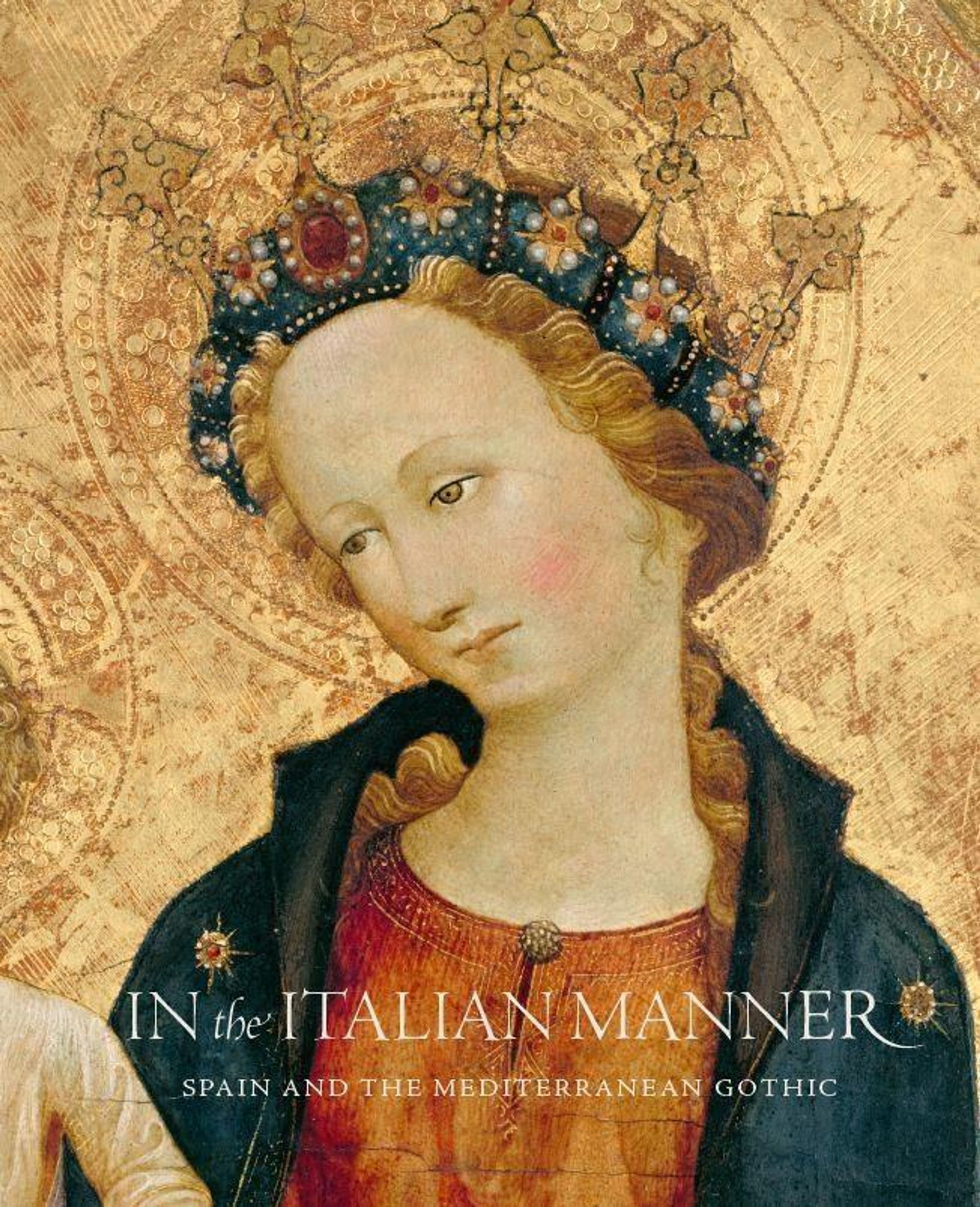
Joan Molina: In the Italian Manner, Gebunden
In the Italian Manner
- Spain and the Mediterranean Gothic, 1320-1420
Sie können den Titel schon jetzt bestellen. Versand an Sie erfolgt gleich nach Verfügbarkeit.
- Verlag:
- Museo Nacional del Prado, 10/2026
- Einband:
- Gebunden
- Sprache:
- Englisch
- ISBN-13:
- 9788484806530
- Artikelnummer:
- 12895468
- Umfang:
- 320 Seiten
- Erscheinungstermin:
- 15.10.2026
- Hinweis
-
Achtung: Artikel ist nicht in deutscher Sprache!
Klappentext
Published on the occasion of the exhibition At the Manner of Italy, held at the Museo Nacional del Prado, Madrid, from May to September, 2026.
The assimilation of Italian artistic models by masters and patrons across the Iberian Peninsula is the central theme of this monograph: how the Italian Trecento transformed the artistic landscape of the Hispanic kingdoms. Through masters such as Giotto, Duccio, and Simone Martini, new aesthetic and technical approaches arrived during the fourteenth century and were embraced and reinterpreted through the intense commercial, political, and cultural exchanges that characterized the Mediterranean world. Far from merely copying Italian models, Hispanic artists developed a distinctive visual language of their own, blending Italian, French, and Byzantine influences into original works of remarkable richness and visual sophistication.
This catalogue has been conceived to be read. In five chapters written by the exhibition curator, Joan Molina Figueras, the book explores the decisive role played by Italy in shaping Iberian art during the fourteenth and early fifteenth centuries, a phenomenon evident both in royal residences and in the monastic settings of the kingdoms of the peninsula. Among other topics, it examines the innovations brought about by this influence in formats such as the large altarpiece, which became a space for technical and symbolic experimentation, as well as in the use of gold, textures, and light effects, transforming these works into unique visual experiences. The book concludes with an analysis of artistic influence flowing in the opposite direction, exemplified by the Florentine painter Gherardo Starnina, who carried back to Italy the artistic innovations he had encountered in Castile, Aragon, and Valencia.
A fascinating study that demonstrates how the medieval Mediterranean was a realm of exchange, cultural hybridity, and shared creativity.