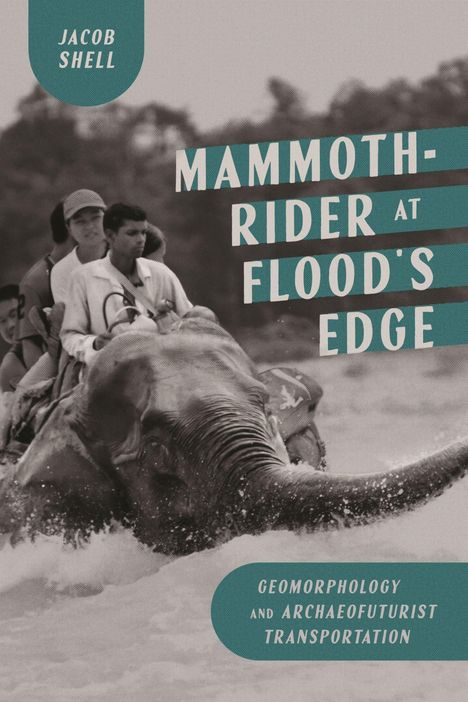
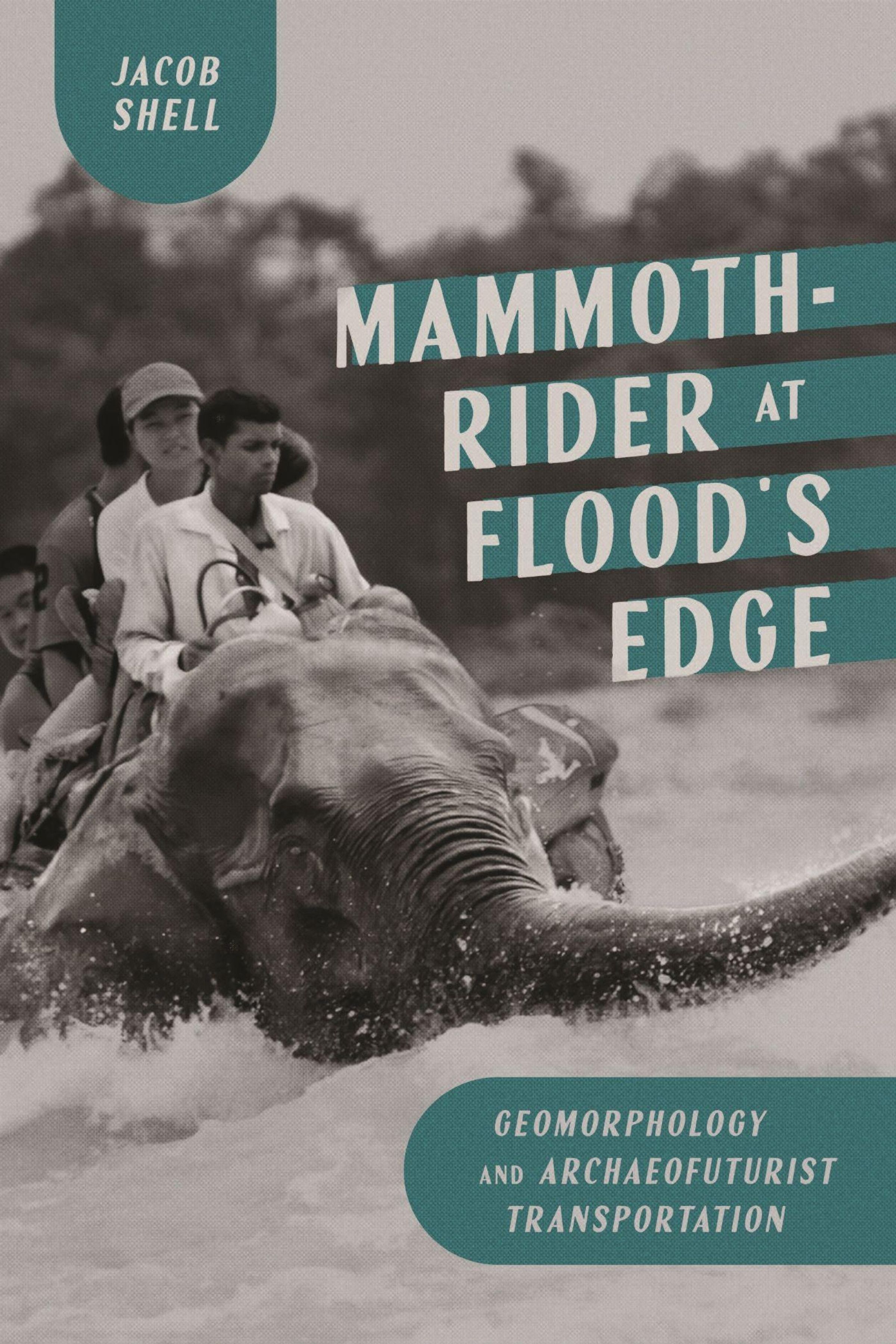
Jacob Shell: Mammoth-Rider at Flood's Edge, Kartoniert / Broschiert
Mammoth-Rider at Flood's Edge
- Geomorphology and Archaeofuturist Transportation
Sie können den Titel schon jetzt bestellen. Versand an Sie erfolgt gleich nach Verfügbarkeit.
- Verlag:
- McGill-Queen's University Press, 03/2027
- Einband:
- Kartoniert / Broschiert
- Sprache:
- Englisch
- ISBN-13:
- 9780228030584
- Artikelnummer:
- 12798416
- Umfang:
- 344 Seiten
- Erscheinungstermin:
- 16.3.2027
- Hinweis
-
Achtung: Artikel ist nicht in deutscher Sprache!
Klappentext
When floodwaters rise, roads fail, but horses, camels, and elephants can still move through the shallows. For most of human history large riding animals made mobility possible across landscapes too waterlogged or unstable to support fixed infrastructure. Their ability to ford floodplains, marshes, tidal flats, and seasonal waterways was essential to trade, migration, warfare, and survival itself. Modernity has largely forgotten this knowledge, dismissing it as primitive or obsolete.
Drawing on fieldwork among elephant-riding communities in the Indo-Burmese jungle; studies of the wading horses of Germany's Wadden Sea; historical accounts of geographers searching for a wandering lake in Xinjiang, China; and findings in archaeology, genetics, and mythology, Jacob Shell introduces the concept of vadology: the study of fording ground where land and water exist in perpetual flux. He proposes that the practice of animal riding may have originated out of a need to cross shallow floodwaters. From those ancient crossings, Shell traces vadological movement into the modern world, from marshland military campaigns and amphibious transport systems to speculative visions of genetically engineered neo-mammoths navigating climate-altered cities. Throughout, the book advances the archaeofuturist argument that technologies dismissed as obsolete may hold overlooked forms of resilience and carry solutions we had not yet thought to retrieve.
Climate disruption is often framed as unprecedented. Mammoth-Rider at Flood's Edge offers a provocative counterpoint: Human societies have always adapted to worlds in flux. The question is not whether we can stop all such disruptions, but whether we are willing to relearn how to navigate them.