J Vanessa Lyon: Blackness Thirteen Ways, Gebunden
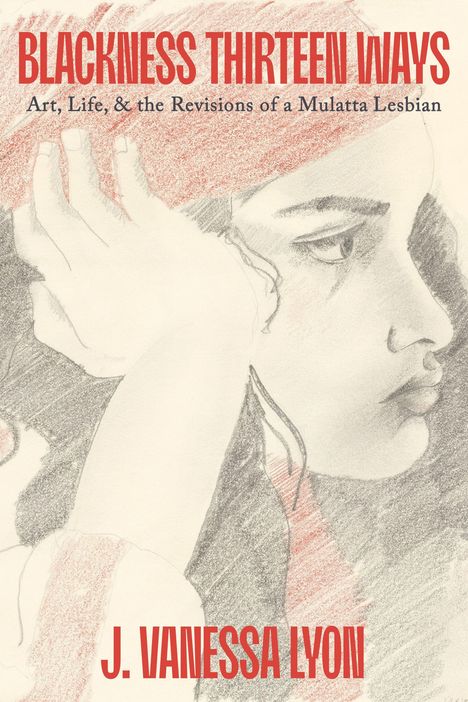
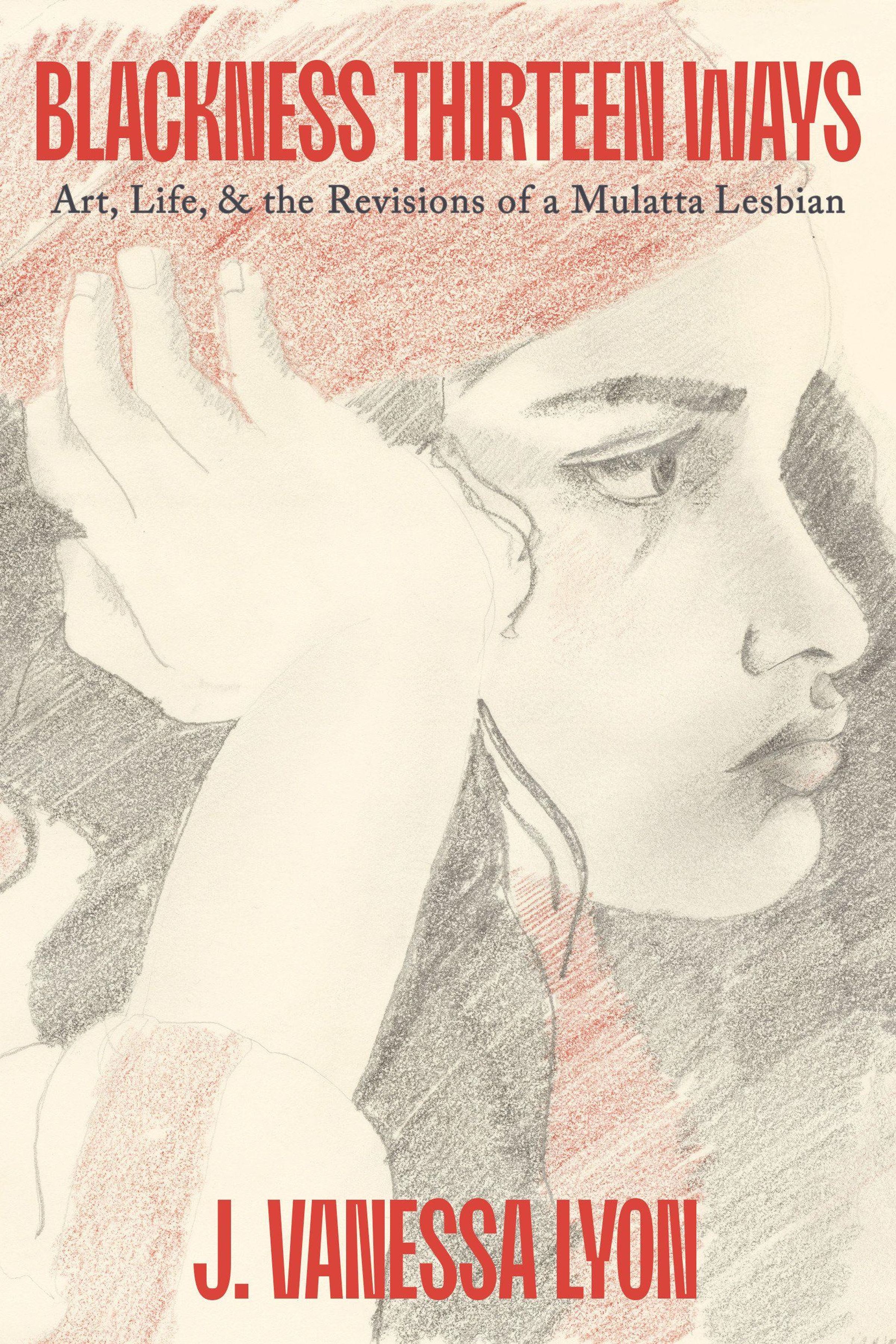
Blackness Thirteen Ways
- Art, Life, & the Revisions of a Mulatta Lesbian
Sie können den Titel schon jetzt bestellen. Versand an Sie erfolgt gleich nach Verfügbarkeit.
- Verlag:
- Knopf Doubleday Publishing Group, 10/2026
- Einband:
- Gebunden
- Sprache:
- Englisch
- ISBN-13:
- 9780593701942
- Artikelnummer:
- 12607392
- Umfang:
- 320 Seiten
- Gewicht:
- 567 g
- Maße:
- 217 x 151 mm
- Stärke:
- 31 mm
- Erscheinungstermin:
- 20.10.2026
- Hinweis
-
Achtung: Artikel ist nicht in deutscher Sprache!
Klappentext
The art historian, poet, and novelist close-reads images, moving and still, canonical and lesser known, that have shaped her evolving identity as an American "Mulatta" lesbian born at the end of the Civil Rights Movement in this singular blend of life-writing and cultural studies.
The daughter of the WASP mother who raised her and a Black father she has never known, J. Vanessa Lyon delivers a candid memoir across thirteen uniquely structured chapters in conversation with enduring, often damaging, mis / representations of so-called race mixing in fine art and popular media. Reflecting on a lifetime of being "dis-read," she examines insidious cultural tropes of White passing beginning with art from the era of transatlantic slavery---from Rembrandt and Rubens, Gentileschi and Stubbs, to Manet---before moving on to Br'er Rabbit, Louise Nevelson, 1950s melodrama, and Adrian Piper. Original analysis of a broad chronological range of visual art parallels the unfolding of Lyon's sense of self as animated by the interiors and geographies---not to mention the challenging and remarkable women---that have figured in her life. Through her investigations, she comes to terms with long-withheld information and the seemingly unalterable reality of being an out lesbian who, legally Black, may never be viewed by Whites or other African Americans in the ways she experiences her own raced and gendered personhood.
By turns scholarly and intimate, Blackness Thirteen Ways reveals surprising connections between the art Lyon teaches and the woman she has become, challenging history to accommodate an unapologetic image of herself and other "impassably" Black women.