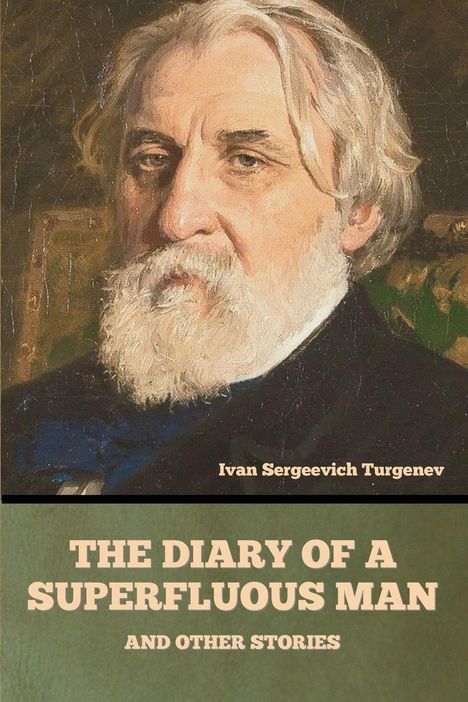
Ivan Sergeevich Turgenev: The diary of a superfluous man, and other stories, Kartoniert / Broschiert
The diary of a superfluous man, and other stories
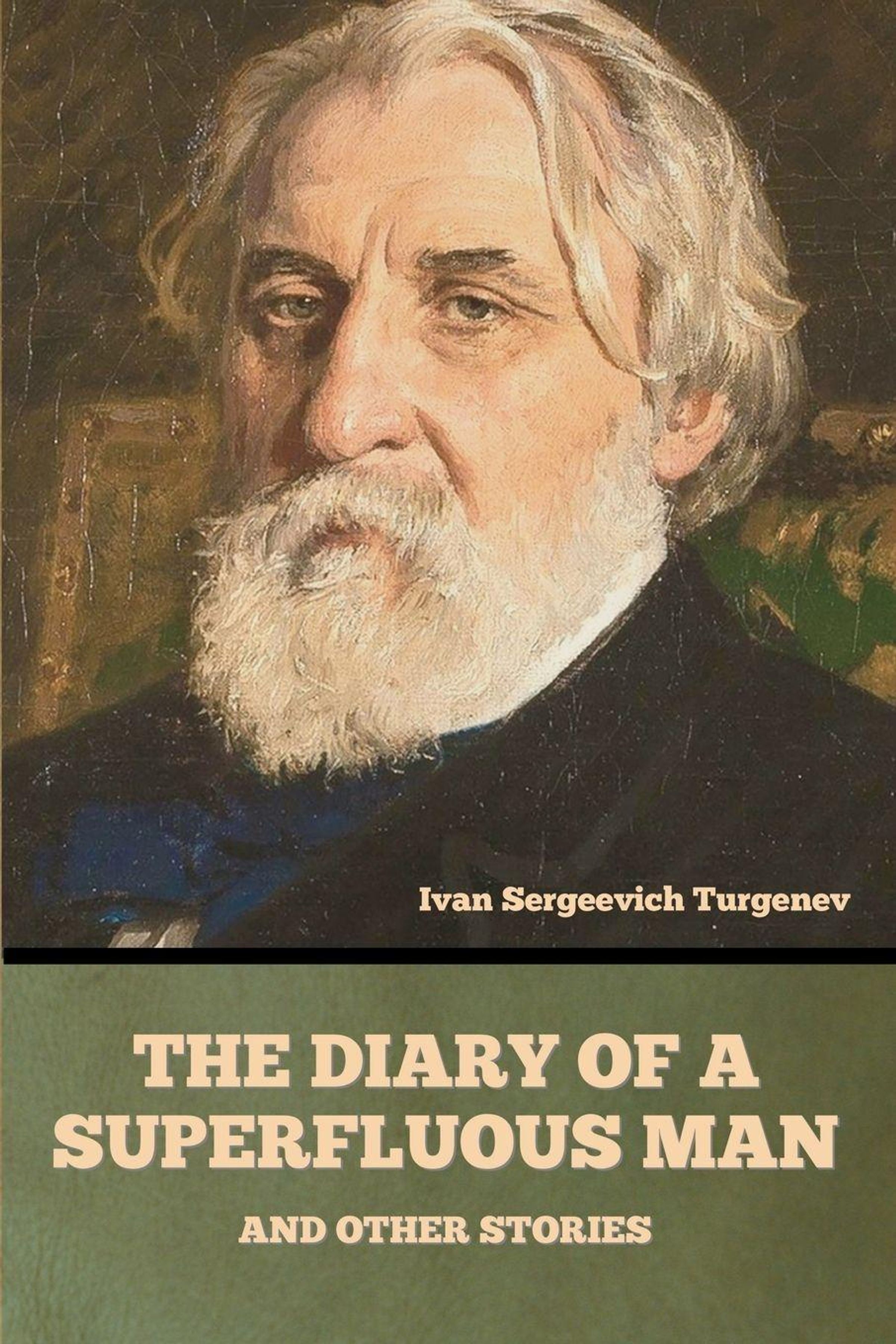
(soweit verfügbar beim Lieferanten)
- Verlag:
- IndoEuropeanPublishing.com, 09/2026
- Einband:
- Kartoniert / Broschiert
- Sprache:
- Englisch
- ISBN-13:
- 9798889426530
- Artikelnummer:
- 12925182
- Umfang:
- 142 Seiten
- Gewicht:
- 242 g
- Maße:
- 229 x 152 mm
- Stärke:
- 9 mm
- Erscheinungstermin:
- 10.9.2026
- Hinweis
-
Achtung: Artikel ist nicht in deutscher Sprache!
Klappentext
The Diary of a Superfluous Man by Ivan Sergeevich Turgenev is a novella that explores loneliness, unfulfilled love, and the feeling of being unnecessary in society. The story is told through the diary of Chulkaturin, a dying man who reflects on his life and the mistakes that left him isolated and unhappy. As he looks back, he realizes that he spent much of his life feeling insignificant and unable to take meaningful action, making him a classic example of the "superfluous man" in Russian literature.
Throughout the diary, Chulkaturin remembers his love for a young woman named Liza, whose affection ultimately goes to another man. His inability to express his feelings confidently and take decisive action leads to regret and heartbreak. Turgenev uses these memories to show how self-doubt, insecurity, and passivity can prevent people from achieving happiness. The emotional honesty of the diary allows readers to understand Chulkaturin's inner struggles and sympathize with his sense of failure.
The novella also serves as a critique of nineteenth-century Russian society, where educated but aimless men often struggled to find purpose and direction. Turgenev's portrayal of Chulkaturin highlights the psychological effects of isolation and the dangers of living without confidence or meaningful goals. Through its reflective style and tragic ending, The Diary of a Superfluous Man remains a powerful exploration of regret, identity, and the search for purpose, making it one of Turgenev's most memorable early works.
About the Author
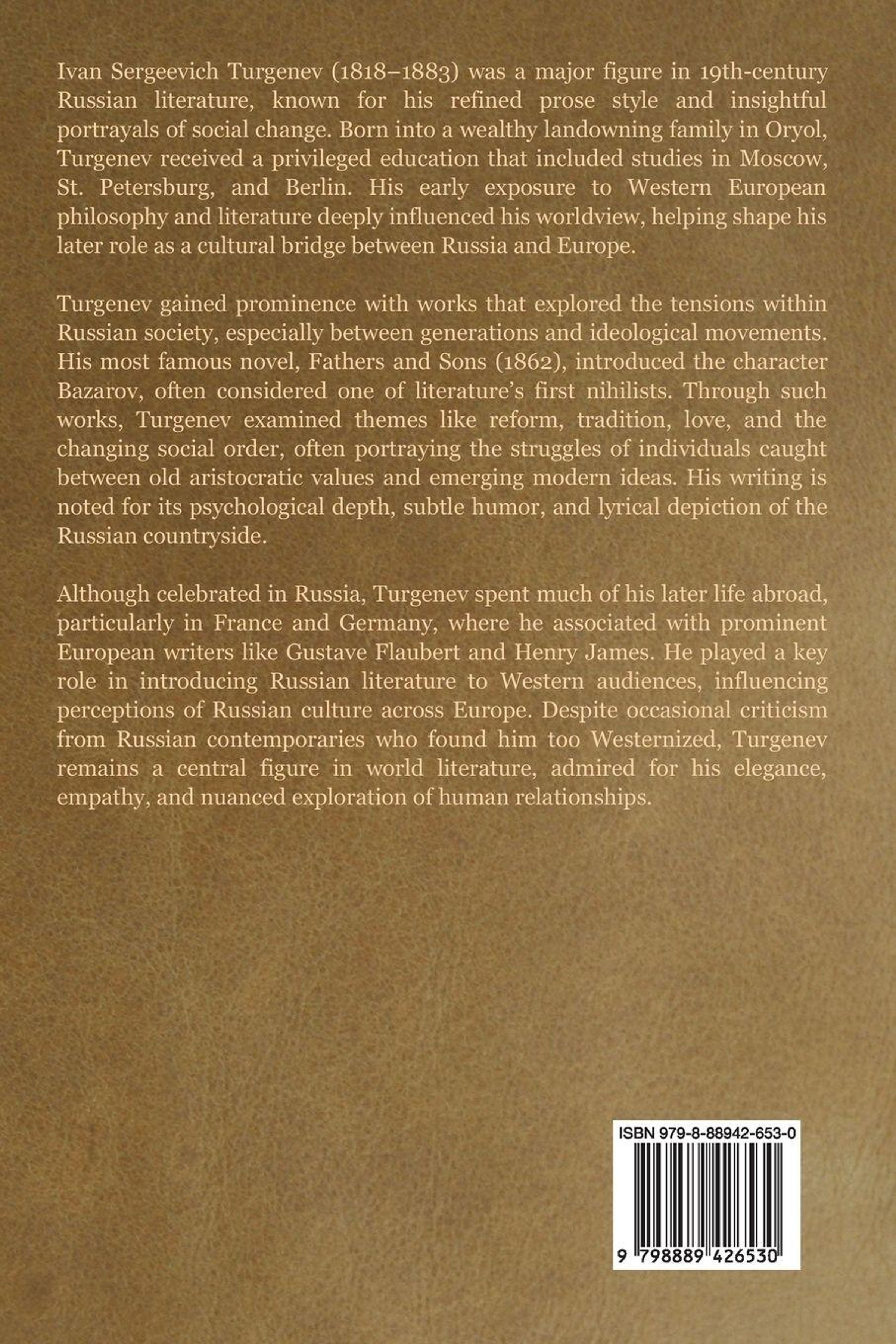
Ivan Sergeevich Turgenev (1818-1883) was a major figure in 19th-century Russian literature, known for his refined prose style and insightful portrayals of social change. Born into a wealthy landowning family in Oryol, Turgenev received a privileged education that included studies in Moscow, St. Petersburg, and Berlin. His early exposure to Western European philosophy and literature deeply influenced his worldview, helping shape his later role as a cultural bridge between Russia and Europe.
Turgenev gained prominence with works that explored the tensions within Russian society, especially between generations and ideological movements. His most famous novel, Fathers and Sons (1862), introduced the character Bazarov, often considered one of literature's first nihilists. Through such works, Turgenev examined themes like reform, tradition, love, and the changing social order, often portraying the struggles of individuals caught between old aristocratic values and emerging modern ideas. His writing is noted for its psychological depth, subtle humor, and lyrical depiction of the Russian countryside.
Although celebrated in Russia, Turgenev spent much of his later life abroad, particularly in France and Germany, where he associated with prominent European writers like Gustave Flaubert and Henry James. He played a key role in introducing Russian literature to Western audiences, influencing perceptions of Russian culture across Europe. Despite occasional criticism from Russian contemporaries who found him too Westernized, Turgenev remains a central figure in world literature, admired for his elegance, empathy, and nuanced exploration of human relationships.