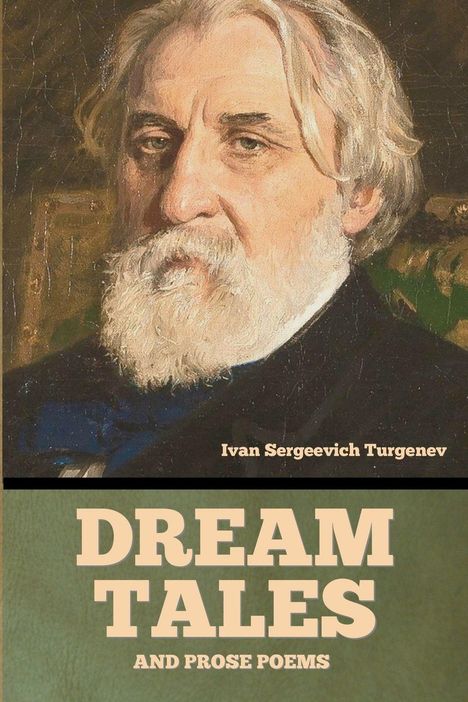
Ivan Sergeevich Turgenev: Dream Tales and Prose Poems, Kartoniert / Broschiert
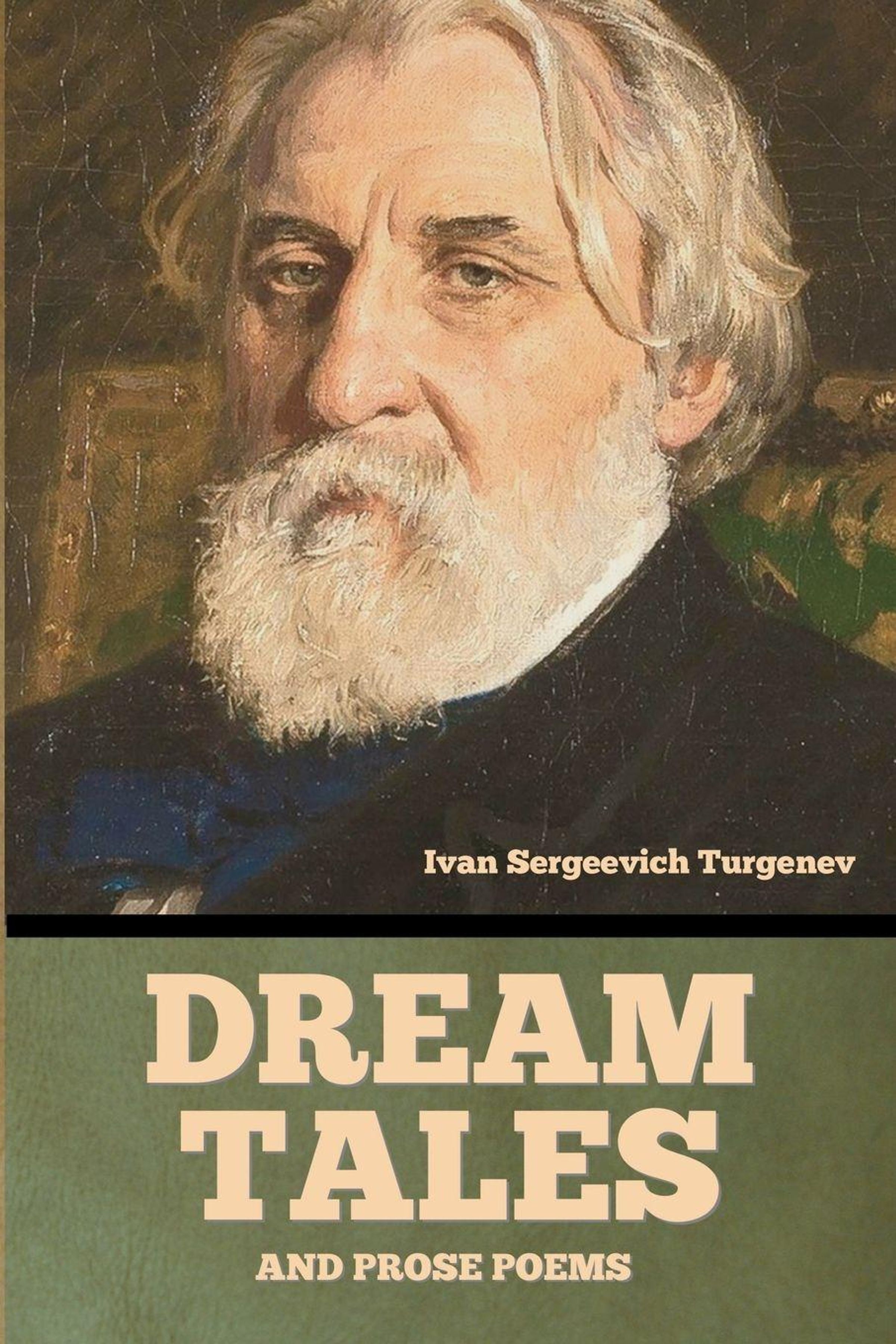
Dream Tales and Prose Poems
(soweit verfügbar beim Lieferanten)
- Verlag:
- IndoEuropeanPublishing.com, 08/2026
- Einband:
- Kartoniert / Broschiert
- Sprache:
- Englisch
- ISBN-13:
- 9798889426424
- Artikelnummer:
- 12901385
- Umfang:
- 152 Seiten
- Gewicht:
- 258 g
- Maße:
- 229 x 152 mm
- Stärke:
- 9 mm
- Erscheinungstermin:
- 22.8.2026
- Hinweis
-
Achtung: Artikel ist nicht in deutscher Sprache!
Weitere Ausgaben von Dream Tales and Prose Poems |
Preis |
|---|---|
| Buch, Kartoniert / Broschiert, Englisch | EUR 34,90* |
| Buch, Gebunden, Englisch | EUR 59,90* |
Klappentext
Ivan Sergeevich Turgenev's Dream Tales and Prose Poems is a reflective collection that brings together some of his most atmospheric and philosophically charged shorter works. Written in the later part of his career, these pieces move away from traditional narrative structure and instead lean into impressionistic scenes, lyrical reflections, and dreamlike meditations. The collection captures Turgenev's preoccupation with memory, mortality, and the fragile boundary between reality and imagination.
The prose poems and dream tales often blur genre distinctions, combining elements of poetry, sketch, and short fiction. Rather than focusing on plot, they emphasize mood and inner experience, frequently presenting fleeting visions or symbolic encounters. Nature plays a central role, not just as background but as a living presence that mirrors human emotion and existential uncertainty. This stylistic shift reflects Turgenev's engagement with European literary trends of the 19th century, especially Romanticism and early Symbolist tendencies.
At the heart of these works is a deep sense of philosophical questioning. Turgenev explores themes such as the passage of time, the inevitability of death, and the search for meaning in an indifferent world. The "dream" framework allows him to dissolve strict realism, giving voice to subconscious fears and desires. As a result, Dream Tales and Prose Poems stands as one of his most introspective contributions, revealing a writer who, in his later years, turned inward to examine the quiet, often haunting truths of human existence.
About the Author
Ivan Sergeevich Turgenev (1818-1883) was a major figure in 19th-century Russian literature, known for his refined prose style and insightful portrayals of social change. Born into a wealthy landowning family in Oryol, Turgenev received a privileged education that included studies in Moscow, St. Petersburg, and Berlin. His early exposure to Western European philosophy and literature deeply influenced his worldview, helping shape his later role as a cultural bridge between Russia and Europe.
Turgenev gained prominence with works that explored the tensions within Russian society, especially between generations and ideological movements. His most famous novel, Fathers and Sons (1862), introduced the character Bazarov, often considered one of literature's first nihilists. Through such works, Turgenev examined themes like reform, tradition, love, and the changing social order, often portraying the struggles of individuals caught between old aristocratic values and emerging modern ideas. His writing is noted for its psychological depth, subtle humor, and lyrical depiction of the Russian countryside.
Although celebrated in Russia, Turgenev spent much of his later life abroad, particularly in France and Germany, where he associated with prominent European writers like Gustave Flaubert and Henry James. He played a key role in introducing Russian literature to Western audiences, influencing perceptions of Russian culture across Europe. Despite occasional criticism from Russian contemporaries who found him too Westernized, Turgenev remains a central figure in world literature, admired for his elegance, empathy, and nuanced exploration of human relationships.