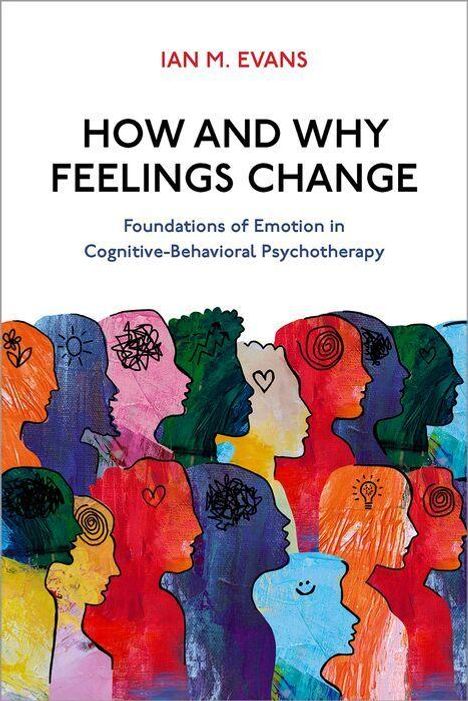
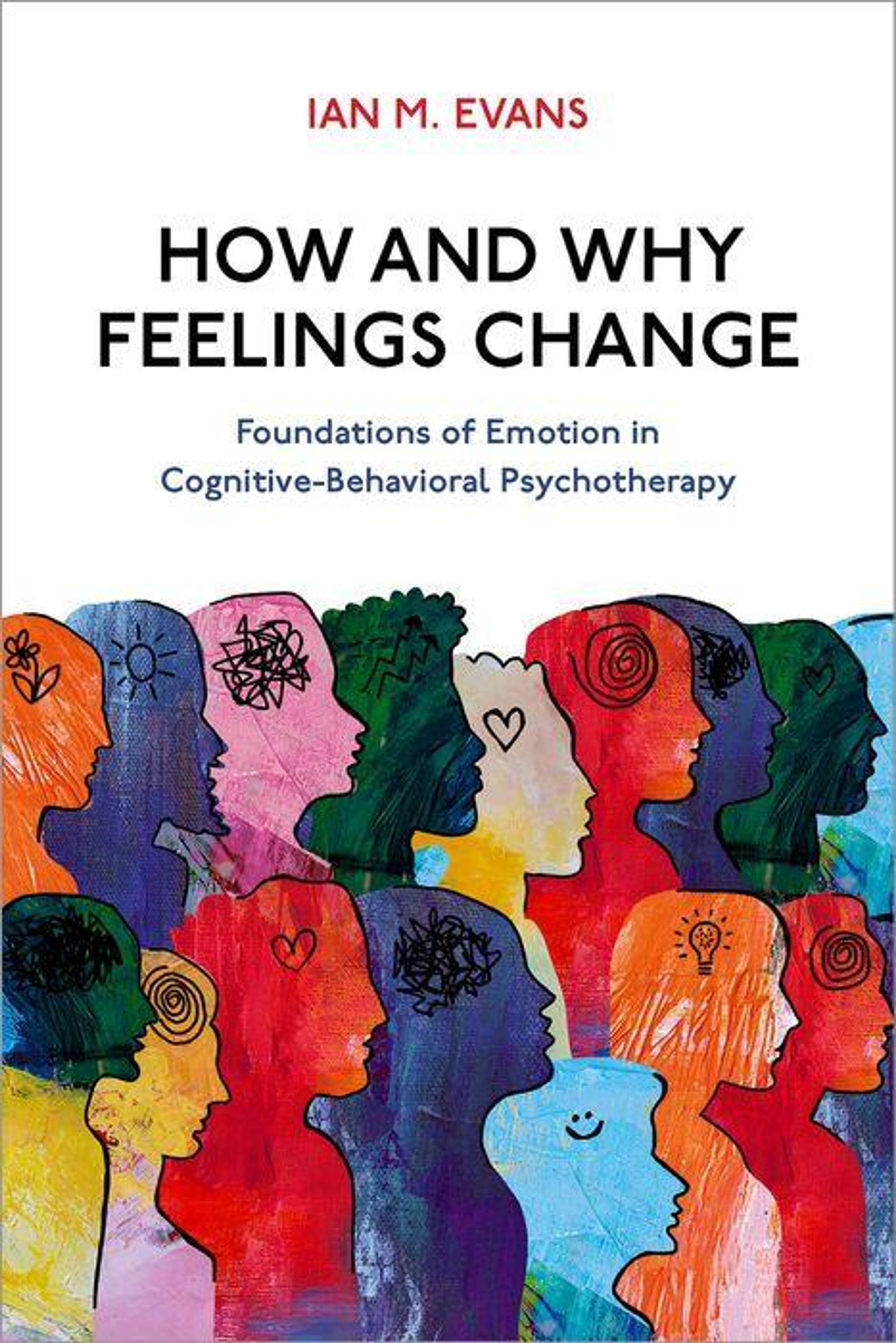
Ian M Evans: How and Why Feelings Change, Gebunden
How and Why Feelings Change
- Foundations of Emotion in Cognitive-Behavioral Psychotherapy
(soweit verfügbar beim Lieferanten)
- Verlag:
- Oxford University Press, 06/2026
- Einband:
- Gebunden
- Sprache:
- Englisch
- ISBN-13:
- 9780197825778
- Artikelnummer:
- 12592138
- Umfang:
- 280 Seiten
- Gewicht:
- 562 g
- Maße:
- 241 x 165 mm
- Stärke:
- 25 mm
- Erscheinungstermin:
- 12.6.2026
- Hinweis
-
Achtung: Artikel ist nicht in deutscher Sprache!
Klappentext
The dominant theories and techniques making up modern cognitive-behavioral therapy (CBT) address client behaviors (activities) and their cognitions (thoughts) in great detail. In contrast, the targeting of their emotions is more often restricted to clients' diagnosable mental disorder symptomatology--anxiety, depression, anger, and cravings. Their feelings--the subjective experience of their fluctuating affect--have not received the same applied scientific attention. In How and Why Feelings Change, Ian M. Evans attempts to fill a gap by exploring the full range of relevant feelings across the lifespan. The empirical research on feelings is linked to the traditional origins of CBT: physiological reactions, conditioning, reinforcement contingencies, cognitive processes, and social learning.
This is not a treatment manual, nor does it focus on any specific mental disorder or category of client. The emphasis is to show how current and past research on the complexities of feelings enhances the therapeutic work of trainees in clinical and counseling psychology. It is also designed for more experienced psychologists and mental health providers who already know that their own and their clients' feelings can dominate the realities of their practice. Feelings change over time and are influenced by a wide range of contexts and events. How feelings are elicited, expressed, and regulated, how they are balanced between positive and negative effects, and how they influence further feelings, are all described. The psychology of feelings includes other affective phenomena such as moods, likes and dislikes, attitudes and values, urges, and affective forecasting--the ability to anticipate future feelings. CBT practices are not challenged but are augmented by consideration of the feelings that disturb us all: fear, anger, pain, sorrow, hatred. Without these feelings, however, we cannot experience those that enrich our lives: security, forgiveness, well-being, joy, love.