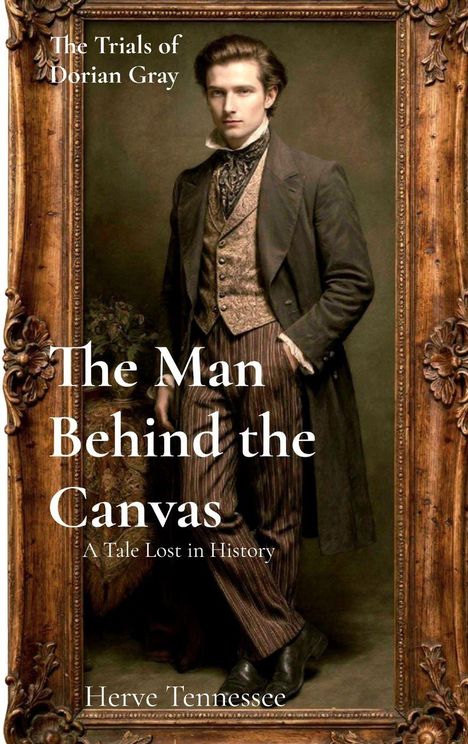
Herve Tennessee: The Man Behind the Canvas, Gebunden
The Man Behind the Canvas
- A tale Lost in History
(soweit verfügbar beim Lieferanten)
- Verlag:
- The TennCo Creatives, 06/2026
- Einband:
- Gebunden
- Sprache:
- Englisch
- ISBN-13:
- 9798950543012
- Artikelnummer:
- 12771657
- Umfang:
- 224 Seiten
- Gewicht:
- 440 g
- Maße:
- 229 x 152 mm
- Stärke:
- 18 mm
- Erscheinungstermin:
- 20.6.2026
- Serie:
- The Trials of Dorian Gray - Band 1
- Hinweis
-
Achtung: Artikel ist nicht in deutscher Sprache!
Klappentext
A timeless classic awaits those who seek to understand the depths of human vanity. If Oscar Wilde's The Picture of Dorian Gray is unfamiliar, or if much time has passed since it was last explored, revisiting this masterpiece is highly encouraged. For those yet to discover its allure, preparation is necessary to be captivated by a narrative exploring the darkest corners of the soul and the heavy price of eternal youth. This volume, Tell Me a Tale: The Trials of Dorian Gray, offers a unique glimpse into the world of Victorian London's most enigmatic figure. It presents a collection of letters and diary entries penned by Dorian himself, spanning the years depicted in Wilde's iconic novel and extending into the shadows beyond. These intimate writings provide a profound exploration of a moral descent, unfolding in the mysterious wake of a supposed demise. Through this immersive adaptation, the haunting beauty and psychological depth of the story are experienced anew. In Volume 1, the narrative peels back the gilded mask of high society to reveal the complexities of a spirit in turmoil. It serves as more than a story regarding a portrait; it is a meticulous study of influence, morality, and the irreversible nature of choice. As the secret journal unfolds, the reader is drawn into an obsession with aesthetic perfection and the detachment felt toward the world. The legend is viewed through a fresh lens, where the ink on the page appears as permanent as the oil on Basil Hallward's original canvas. This exploration of the Victorian gothic tradition delves into the duality of man, inviting a deep meditation on the consequences of living a life devoid of consequence. The prose mirrors the elegance of the era while inviting a modern reflection on the nature of identity and the masks worn in public life. Volume 1 sets the stage for a journey through the mirrors of the mind.
As I turned the pages of Oscar Wilde's The Picture of Dorian Gray for what must have been the hundredth time, I found myself seized by a need to chase the story beyond its final line. What happened after the blade struck and the portrait revealed its terrible truth? The official tale ends there, but imagination demands an epilogue. In this version, Dorian's sudden vanishing and the grisly discovery of an aged, unrecognizable corpse in the old schoolroom threw London's Metropolitan Police into chaos. A coroner's inquest was convened within days. Footmen, maids, valets, every servant who had passed through 9 Grosvenor Square was dragged before the magistrate. The glittering drawing rooms of Mayfair buzzed with rumor, and half the peerage found themselves answering quiet, pointed questions over tea. Dorian's study became a crime scene. Constables and barristers combed it from cornice to cellar, prying at wainscoting, testing the swing of every bookshelf, breaking the locks on cabinets that had not been opened in years. And they found things. Hundreds of manuscripts, yellowed and ink-stained, sealed in wax or bound with black ribbon. Some were tucked beneath warped floorboards that groaned under their weight. Others had been plastered into the walls themselves, entombed like confessions too dangerous to breathe aloud. These manuscripts fragmented diaries, unsent letters, annotated plays, coded journals are the secret autobiography of Dorian Gray, written in the margins of his supposed death. What follows is a catalog of what the police unearthed: