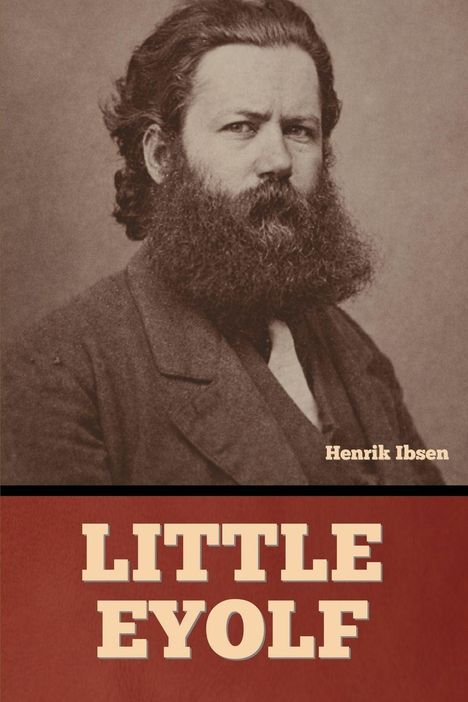
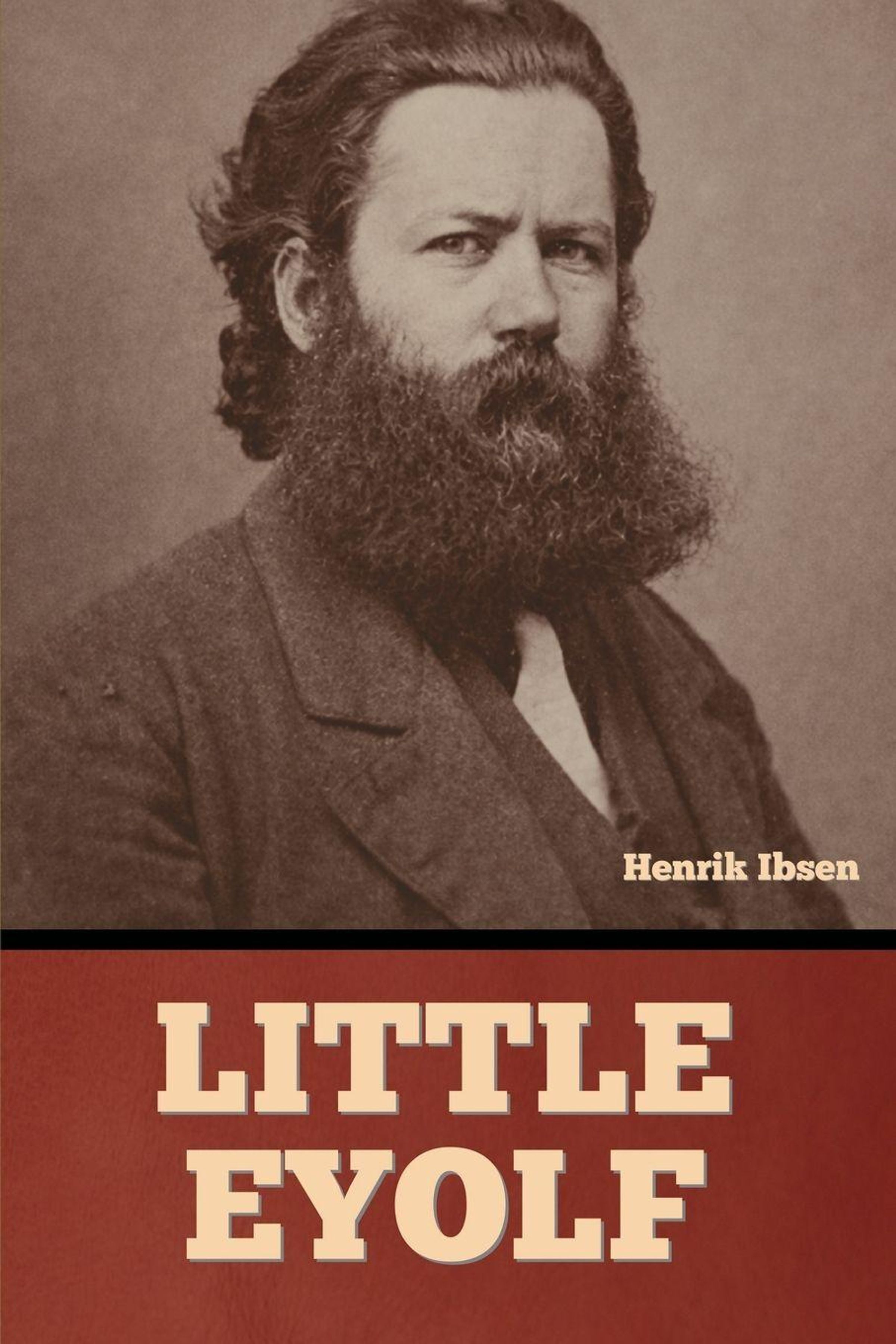
Henrik Ibsen: Little Eyolf, Kartoniert / Broschiert
Little Eyolf
(soweit verfügbar beim Lieferanten)
- Verlag:
- IndoEuropeanPublishing.com, 06/2026
- Einband:
- Kartoniert / Broschiert
- Sprache:
- Englisch
- ISBN-13:
- 9798889426165
- Artikelnummer:
- 12785807
- Umfang:
- 150 Seiten
- Gewicht:
- 255 g
- Maße:
- 229 x 152 mm
- Stärke:
- 9 mm
- Erscheinungstermin:
- 16.6.2026
- Hinweis
-
Achtung: Artikel ist nicht in deutscher Sprache!
Weitere Ausgaben von Little Eyolf |
Preis |
|---|
Klappentext
Henrik Ibsen's Little Eyolf is a psychological drama that explores guilt, responsibility, and the consequences of emotional neglect within a family. The play centers on Alfred and Rita Allmers, whose son Eyolf becomes disabled after an accident that occurs while they are distracted by their own desires. Ibsen uses this tragic event not just as a plot device, but as a way to expose deeper moral failures. The parents' self-absorption-Alfred's intellectual ambitions and Rita's possessive love-reveals how neglect can exist even in the absence of intentional harm. Eyolf's condition becomes a constant reminder of their failure, shaping the emotional tension that drives the play.
A key turning point in the drama is Eyolf's death, which occurs after the mysterious Rat-Wife lures him away. This moment forces both parents to confront the weight of their guilt. Rita initially reacts with jealousy and bitterness, even toward her own child, while Alfred becomes consumed with a desire for redemption. Ibsen presents grief not as a unifying force, but as something that exposes fractures in relationships. The couple's inability to fully understand or support each other highlights the isolation that often accompanies guilt. Through their reactions, Ibsen suggests that moral responsibility cannot be escaped, only faced and reckoned with.
Ultimately, Little Eyolf ends on a note of uneasy resolution, as Alfred and Rita attempt to find purpose by helping neglected children. This decision reflects Ibsen's broader theme of atonement, though it is left ambiguous whether their actions can truly compensate for their past. The play does not offer easy answers, instead emphasizing the complexity of human emotions and ethical responsibility. By focusing on the inner lives of his characters, Ibsen challenges the audience to consider how personal choices impact others, especially the most vulnerable. In this way, Little Eyolf remains a powerful exploration of guilt, loss, and the search for meaning after tragedy.