Harini Amarasuriya: The Future Belongs to Us, Gebunden
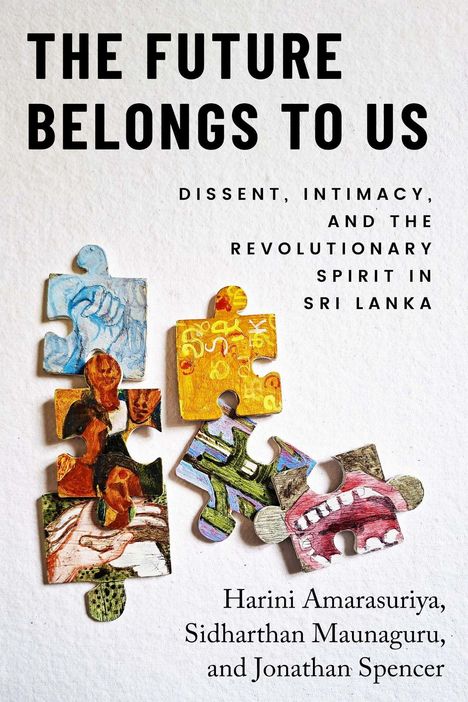
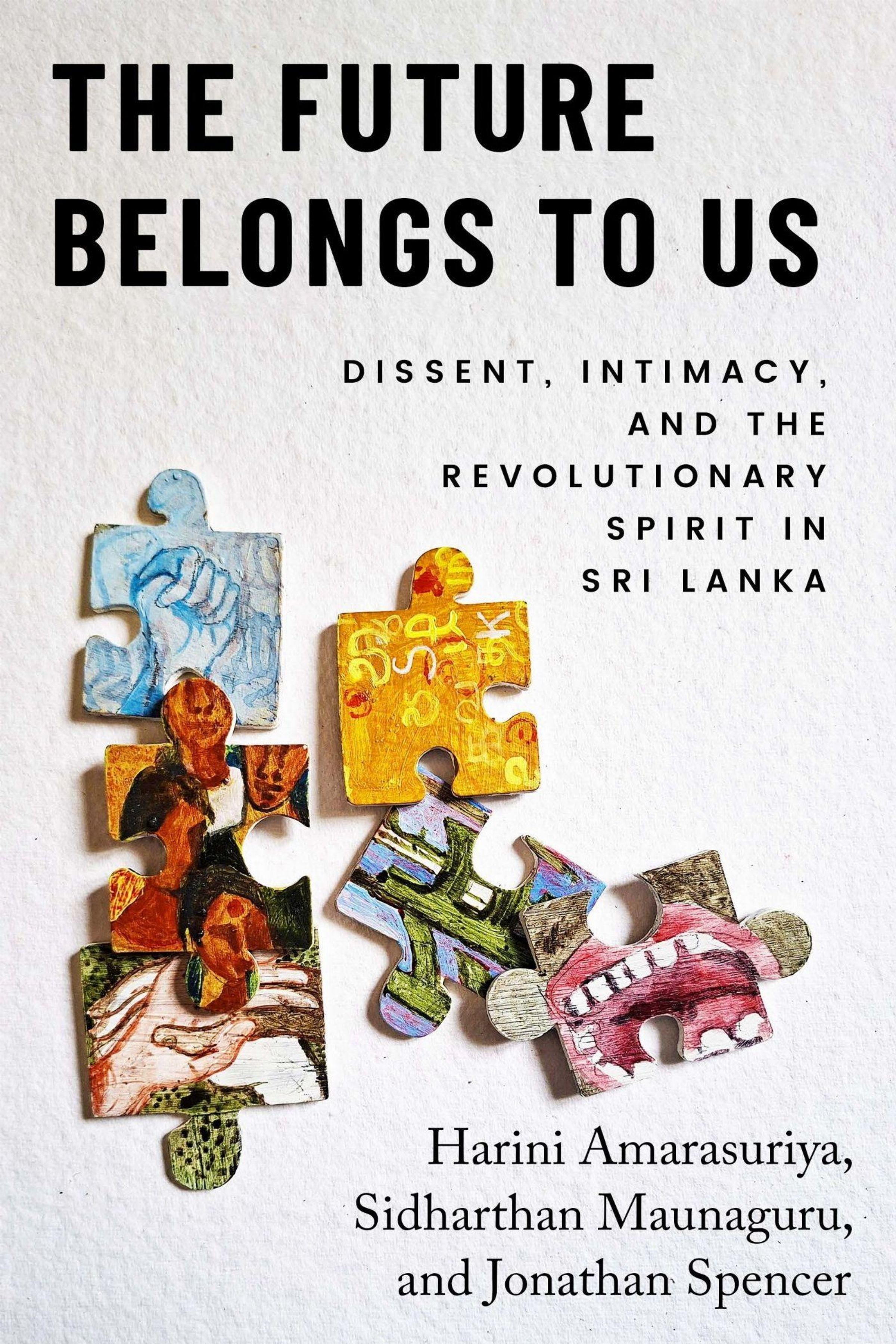
The Future Belongs to Us
- Dissent, Intimacy, and the Revolutionary Spirit in Sri Lanka
Lassen Sie sich über unseren eCourier benachrichtigen, sobald das Produkt bestellt werden kann.
- Verlag:
- Fordham University Press, 08/2027
- Einband:
- Gebunden
- Sprache:
- Englisch
- ISBN-13:
- 9781531516352
- Umfang:
- 256 Seiten
- Erscheinungstermin:
- 3.8.2027
- Serie:
- Thinking from Elsewhere
- Hinweis
-
Achtung: Artikel ist nicht in deutscher Sprache!
Weitere Ausgaben von The Future Belongs to Us |
Preis |
|---|---|
| Buch, Kartoniert / Broschiert, Englisch | EUR 41,04* |
Ähnliche Artikel


Klappentext
The Future Belongs to Us is a portrait of a remarkable generation of activists in Sri Lanka, who in their different ways, tried to create a different kind of politics, alternatives to the narrow ethnonationalisms that fuelled the country's decades-long civil war. Drawing on extensive interviews with survivors of the years of war, as well as other kinds of archival work, the book explores the tense relationship between politics and ethics in the lives of ordinary people living through extraordinary times. The stories that unfold, and the issues they open up---about the tensions between intimacy and political engagement, about the place of violence in enacting change, and about radical political experiments in the shadow of the nation---connect to other histories across South Asia and the postcolonial world.
The book combines portraits of singular figures, whose biographies intertwine with the twists and turns of local and global politics, with thematic accounts of the early years of the women's movement, the work of radical Christians, and the launching of new movements focused on environmental issues and human rights. It shows the rise of both new forms of political organization and new forms of intimacy, and the consequent tensions and contradictions between the home and the world. Throughout, the authors foreground the voices of activists themselves, building an original argument about a new structure of feeling whose commitment to the future marked the revolutionary spirit that gave shape to their stories.