Guldana Salimjan: State of Dispossession, Kartoniert / Broschiert
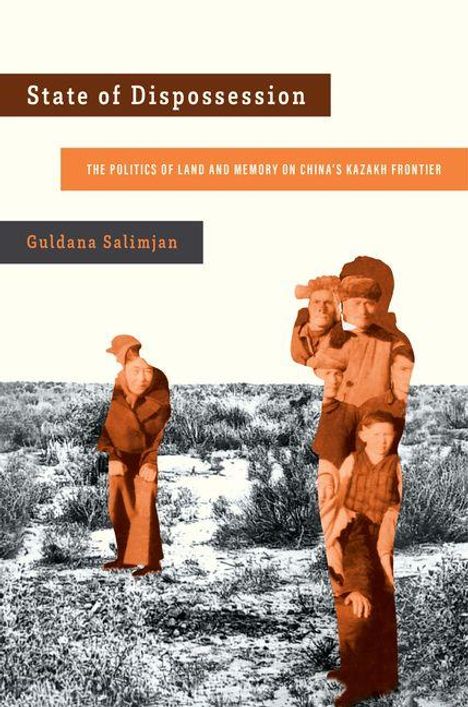
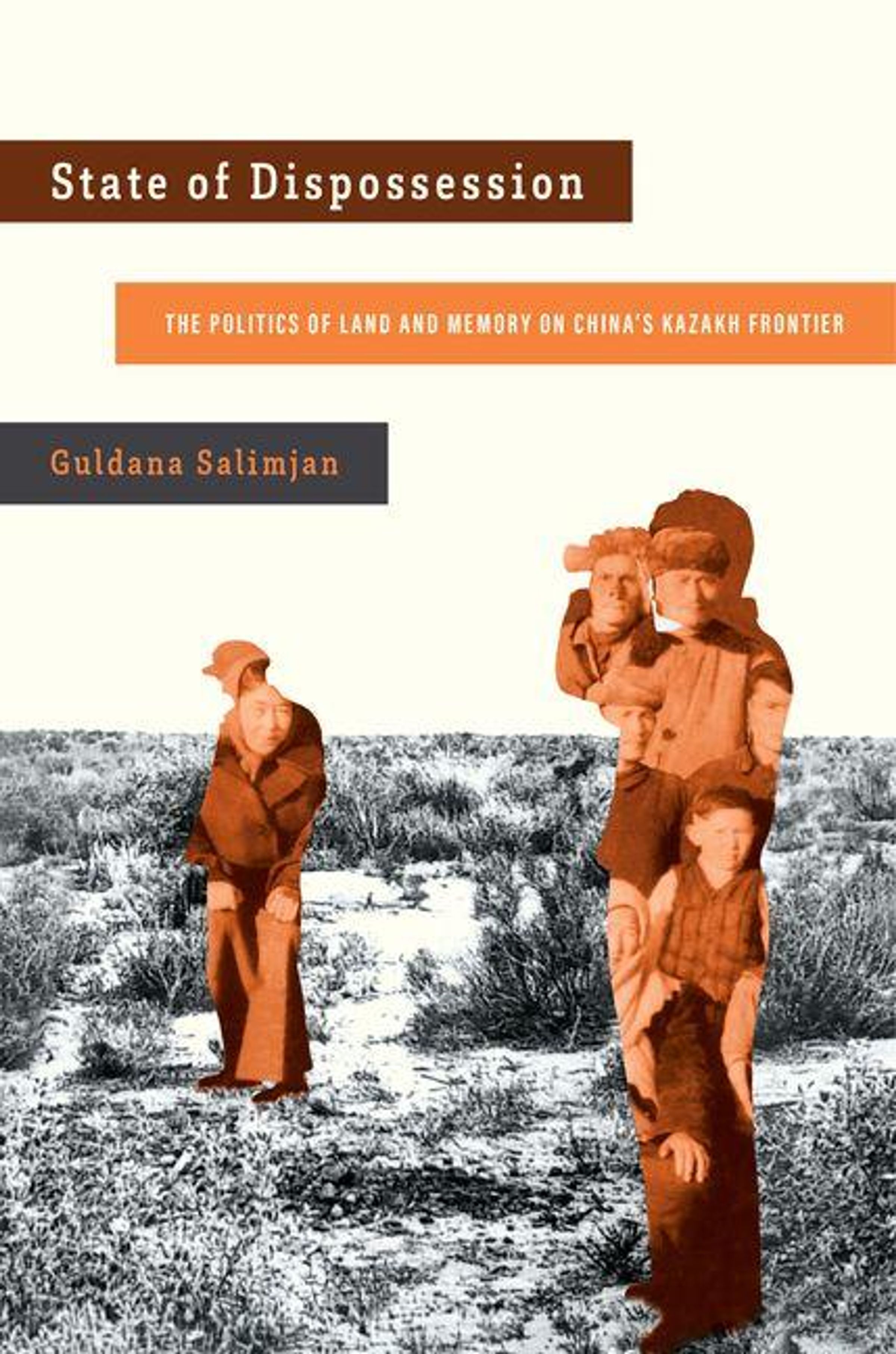
State of Dispossession
- The Politics of Land and Memory on China's Kazakh Frontier
Lassen Sie sich über unseren eCourier benachrichtigen, sobald das Produkt bestellt werden kann.
- Verlag:
- Stanford University Press, 08/2027
- Einband:
- Kartoniert / Broschiert
- Sprache:
- Englisch
- ISBN-13:
- 9781503651012
- Umfang:
- 272 Seiten
- Erscheinungstermin:
- 24.8.2027
- Hinweis
-
Achtung: Artikel ist nicht in deutscher Sprache!
Weitere Ausgaben von State of Dispossession |
Preis |
|---|---|
| Buch, Gebunden, Englisch | EUR 142,97* |
Ähnliche Artikel


Klappentext
State of Dispossession tells the story of how China's northwestern Kazakh frontier became a site of socialist settler colonialism. Drawing on oral histories, ethnographic fieldwork, local archives, and environmental histories, the book traces how successive socialist and post-socialist campaigns-from collectivization and frontier settlement to market reform, ecological conservation, and counterterrorism-transformed Kazakh homelands into spaces of extraction and territorial control, while simultaneously severing Kazakh connections to ancestral territories and historical memory. Rather than treating these as separate political eras or state violence as a series of policy failures, Guldana Salimjan argues that they constitute recursive cycles of dispossession that continually remake land, labor, and belonging while recasting colonial rule through the languages of development, modernization, environmental protection, and national security.
Moving beyond conventional studies of ethnicity or Chinese frontier governance, State of Dispossession offers a new framework for understanding the relationship between state socialism, settler colonialism, and the making of borders. But more than simply catalog the historical tragedies of settler colonial control, this book also narrates Kazakh resilience. Drawing on more than a decade of documenting Kazakh voices of belonging and loss in and out of China, Salimjan argues that these narratives and rituals of mourning constitute forms of decolonial remembrance that sustain relationships to land, kinship, and history beyond the state's territorial and epistemic claims.