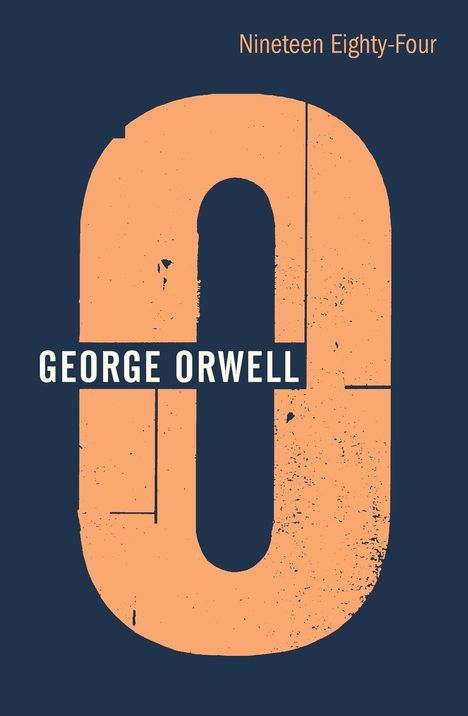
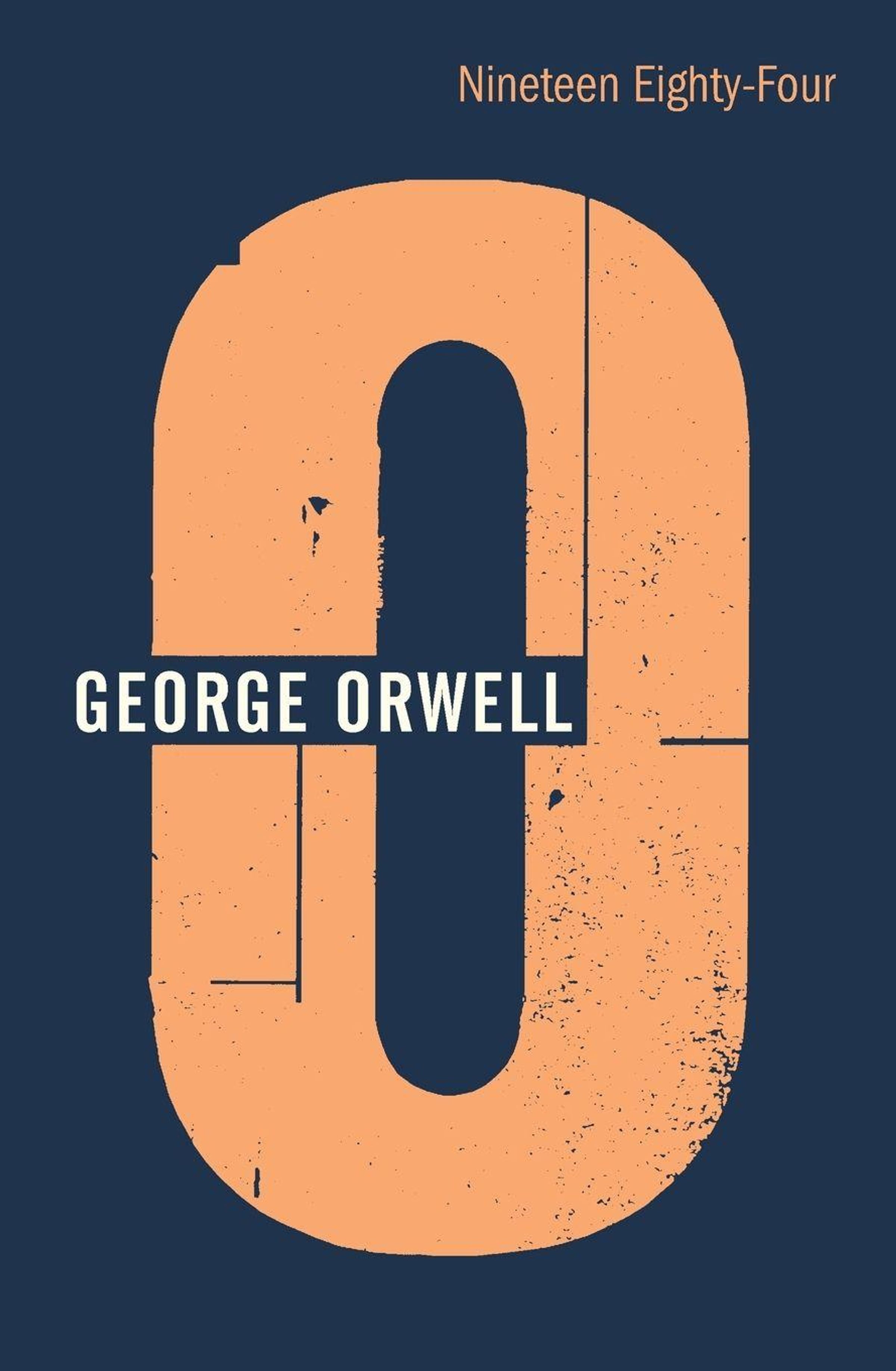
George Orwell: Nineteen Eighty-Four, Kartoniert / Broschiert
Nineteen Eighty-Four
(soweit verfügbar beim Lieferanten)
- Verlag:
- Harvill Secker, 08/2018
- Einband:
- Kartoniert / Broschiert
- Sprache:
- Englisch
- ISBN-13:
- 9781787301085
- Artikelnummer:
- 12600606
- Umfang:
- 350 Seiten
- Gewicht:
- 585 g
- Maße:
- 234 x 153 mm
- Stärke:
- 21 mm
- Erscheinungstermin:
- 30.8.2018
- Hinweis
-
Achtung: Artikel ist nicht in deutscher Sprache!
Weitere Ausgaben von Nineteen Eighty-Four |
Preis |
|---|
Klappentext
Volume 9 of The Complete Works of George Orwell
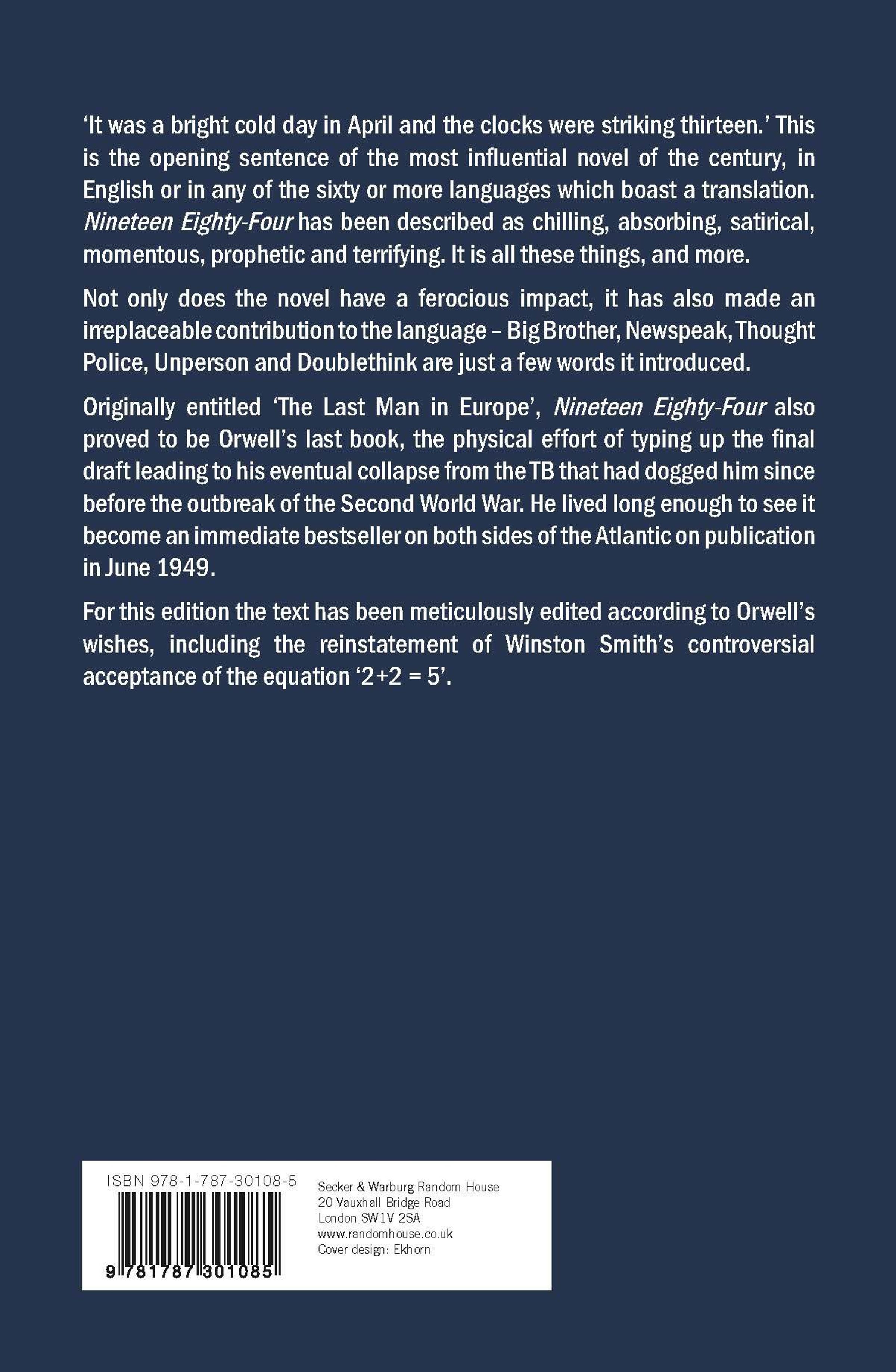
'It was a bright cold day in April and the clocks were striking thirteen.' This is the opening sentence of the most influential novel of the century in English or in any of the sixty or more languages which boast a translation. Nineteen Eighty-Four has been described as chilling absorbing satirical momentous prophetic and terrifying. It is all these things and more.
Not only does the novel have a ferocious impact it has also made an irreplaceable contribution to the language -- Big Brother Newspeak Thought Police Unperson and Doublethink are just a few words it introduced.
Originally entitled 'The Last Man in Europe' Nineteen Eighty-Four also proved to be Orwell's last book the physical effort of typing up the final draft leading to his eventual collapse from TB that had dogged him since before the outbreak of the Second World War. He lived long enough to see it become an immediate bestseller on both sides of the Atlantic on publication in June 1949.
For this edition the text had been meticulously edited according to Orwell's wishes including the re-instatement of Winston Smith's controversial acceptance of the equation '2+2=5'.
Biografie
George Orwell, eigtl. Eric Arthur Blair, wurde am 25. Juni 1903 in Bengalen, Nordostindien, geboren. In England besuchte er als armer Stipendiat eine Eliteschule. Er diente fünf Jahre in Burma bei der Indian Imperial Police, dann kündigte er, weil er "auf keinen Fall länger einem Imperialismus dienen konnte", den er als "ziemlich großen Volksbetrug durchschaut hatte". Er gesellte sich als Tellerwäscher, Hilfslehrer, Hopfenpflücker und als Buch- und Gemischtwarenhändler zum Proletariat, dessen Leben er in Reportagen und Büchern beschrieb. Zur entscheidenden Erfahrung, die in seine Negativutopien Farm der Tiere und 1984 und in die meisterhaften Essays einging, wurde sein Engagement in der kommunistischen Miliz im Spanischen Bürgerkrieg, in dem er schwer verwundet wurde. Danach arbeitete Orwell in London für die BBC, das Ende des Zweiten Weltkrieges erlebte er als Korrespondent des Observer in Deutschland und Frankreich. Orwell starb am 21. Januar 1950 in London.Mehr von George Orwell