Evelyn Iritani: Safe Passage, Kartoniert / Broschiert
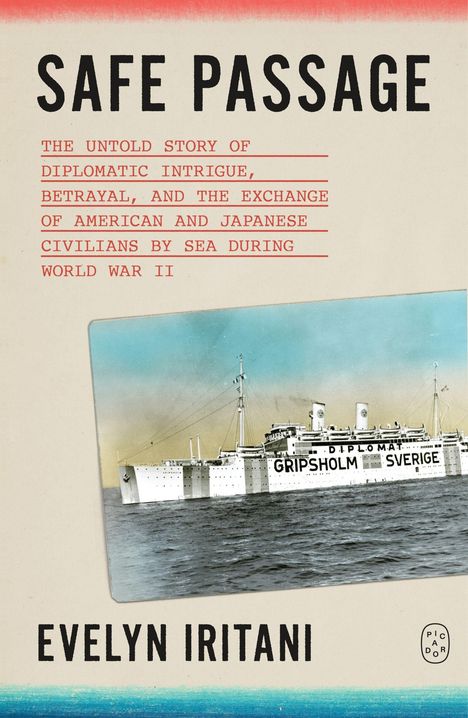
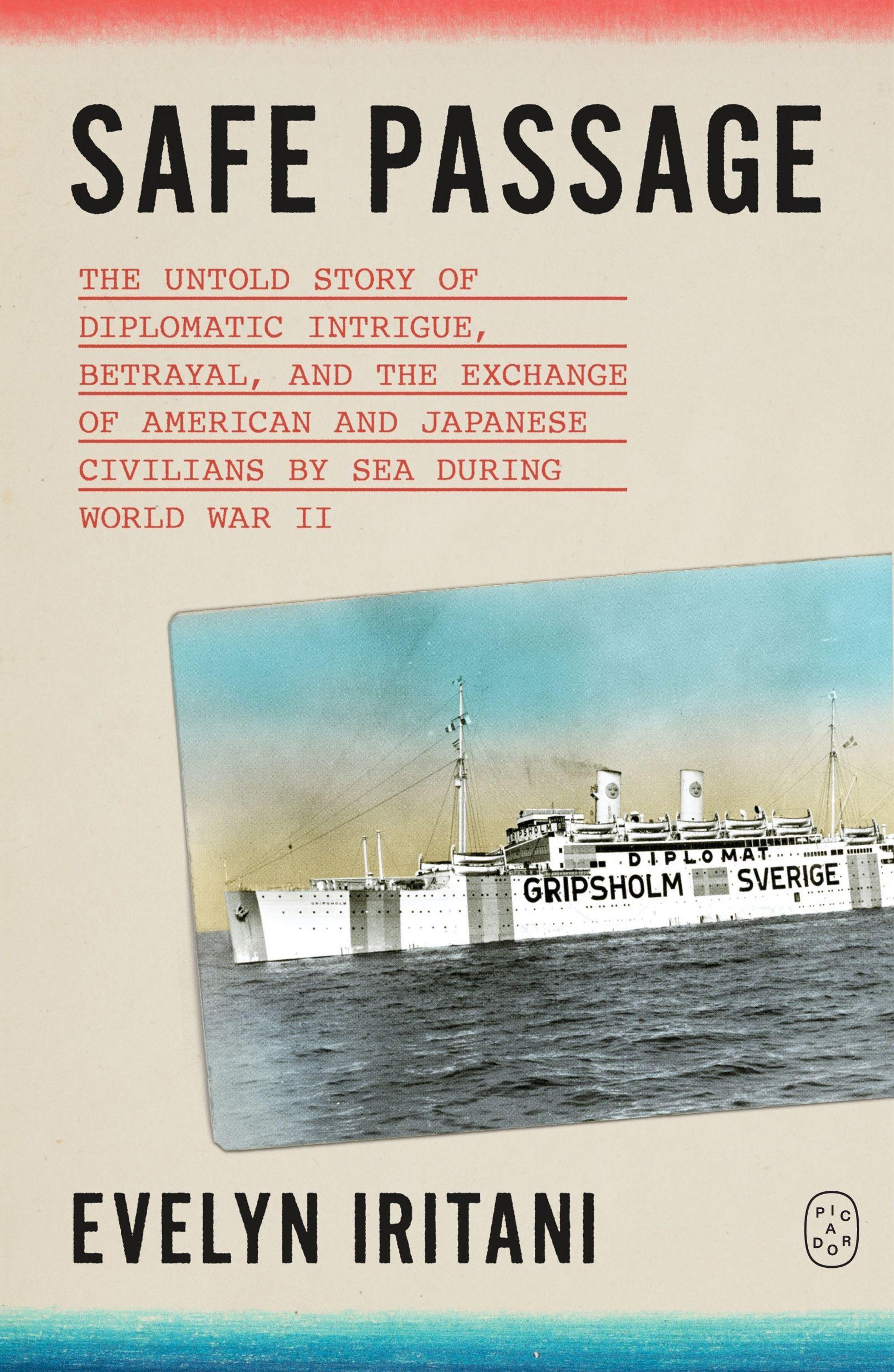
Safe Passage
- The Untold Story of Diplomatic Intrigue, Betrayal, and the Exchange of American and Japanese Civilians by Sea During World War II
Sie können den Titel schon jetzt bestellen. Versand an Sie erfolgt gleich nach Verfügbarkeit.
- Verlag:
- Picador USA, 03/2027
- Einband:
- Kartoniert / Broschiert
- Sprache:
- Englisch
- ISBN-13:
- 9781250468727
- Artikelnummer:
- 12696948
- Umfang:
- 480 Seiten
- Gewicht:
- 454 g
- Maße:
- 210 x 137 mm
- Stärke:
- 25 mm
- Erscheinungstermin:
- 9.3.2027
- Hinweis
-
Achtung: Artikel ist nicht in deutscher Sprache!
Weitere Ausgaben von Safe Passage |
Preis |
|---|---|
| Buch, Gebunden, Englisch | EUR 31,90* |
Klappentext
An untold story of idealism, betrayal, and behind-the-scenes American-Japanese contacts in World War II.
In the fall of 1943, during some of the Pacific theater's bloodiest battles, the United States and Japan pulled off a diplomatic coup-the exchange of civilians caught on the wrong side of the battlefield after Pearl Harbor. Nearly fifteen hundred Allied civilians trapped in Asia, mostly Americans, sailed through dangerous waters to an Indian port city, where they were traded for an equivalent number of Japanese immigrants and their families sent from the Americas. The fate of the more than ten thousand Americans left behind rested on the success of this endeavor.
In Safe Passage, the award-winning journalist Evelyn Iritani reveals the herculean efforts to engineer these wartime exchanges despite great resistance from within and outside the government, the conflicts among passengers, and the moral compromises involved in securing their safe passage. Faced with too few bodies to trade, the United States uprooted and repatriated Japanese citizens of Latin America, sometimes against their will, and Japanese American citizens imprisoned in internment camps. The resulting narrative is a revelatory account of the hurdles to pursuing humanitarian action in wartime.