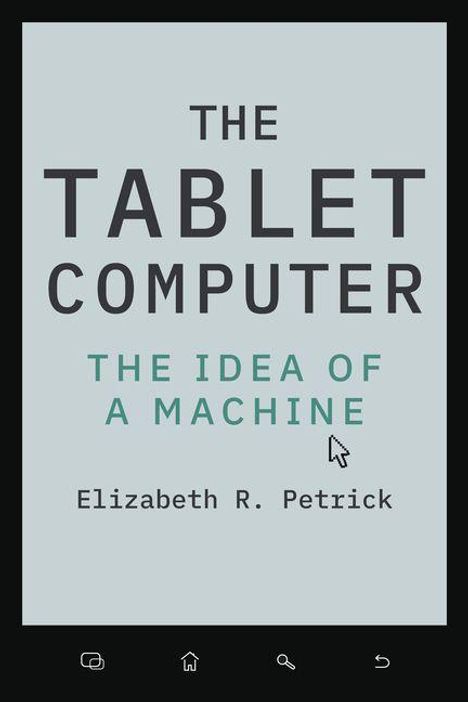
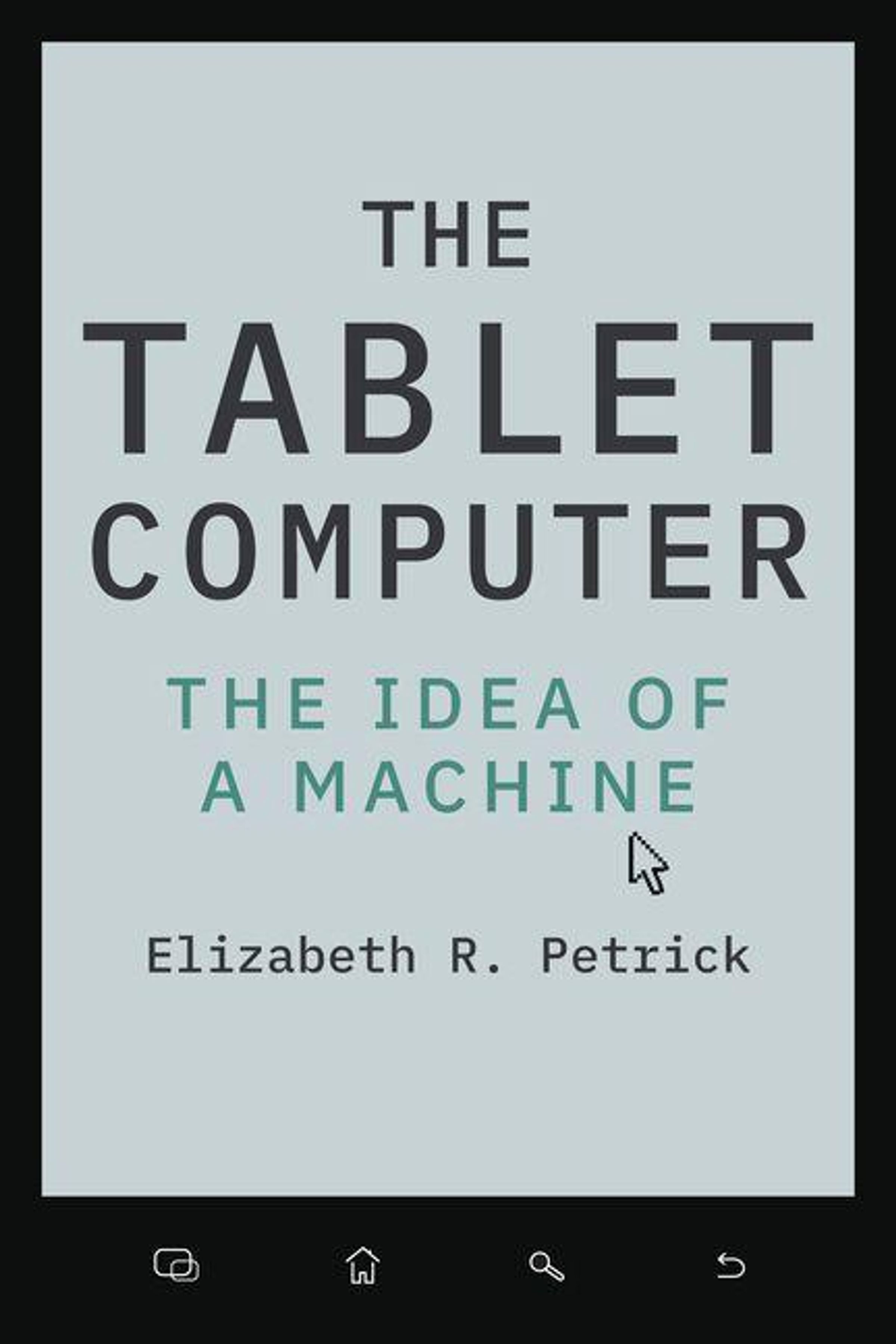
Elizabeth R. Petrick: The Tablet Computer, Kartoniert / Broschiert
The Tablet Computer
- The Idea of a Machine
Sie können den Titel schon jetzt bestellen. Versand an Sie erfolgt gleich nach Verfügbarkeit.
- Verlag:
- Johns Hopkins University Press, 10/2026
- Einband:
- Kartoniert / Broschiert
- Sprache:
- Englisch
- ISBN-13:
- 9781421455303
- Artikelnummer:
- 12617800
- Umfang:
- 256 Seiten
- Gewicht:
- 363 g
- Maße:
- 229 x 152 mm
- Stärke:
- 16 mm
- Erscheinungstermin:
- 13.10.2026
- Serie:
- Johns Hopkins Studies in the History of Technology
- Hinweis
-
Achtung: Artikel ist nicht in deutscher Sprache!
Klappentext
Tablet computers appear commonplace today, yet for decades they represented an ambitious-and often unrealized-vision of personal computing. The Tablet Computer traces the long history of this idea, from early conceptual designs in the 1970s to the consumer devices of the twenty-first century. Elizabeth R. Petrick examines the tablet as a shifting concept shaped by expectations about learning, productivity, accessibility, and human-computer interaction. Across multiple generations of failed prototypes, partial successes, and rebranded technologies, developers imagined tablets as book-sized, portable, networked computers operated through touch. These visions promised to transform education, support workers of various kinds, and redefine how humans interact with machines-promises that were repeatedly revised or deferred. Approaching the subject through intellectual history, Petrick follows how engineers, designers, corporations, and users debated what a tablet should be, who it was for, and what role it might play in everyday life. Projects such as the Dynabook, personal digital assistants, and early consumer tablets reveal how technological futures are shaped as much by aspiration and failure as by market success. The Tablet Computer offers a fresh perspective on the history of computing by showing how devices are built from ideas that evolve over time. It will appeal to historians of technology, media scholars, and readers interested in how familiar machines carry the traces of unrealized futures.