
Elizabeth McCallion: Reforming Representation, Kartoniert / Broschiert
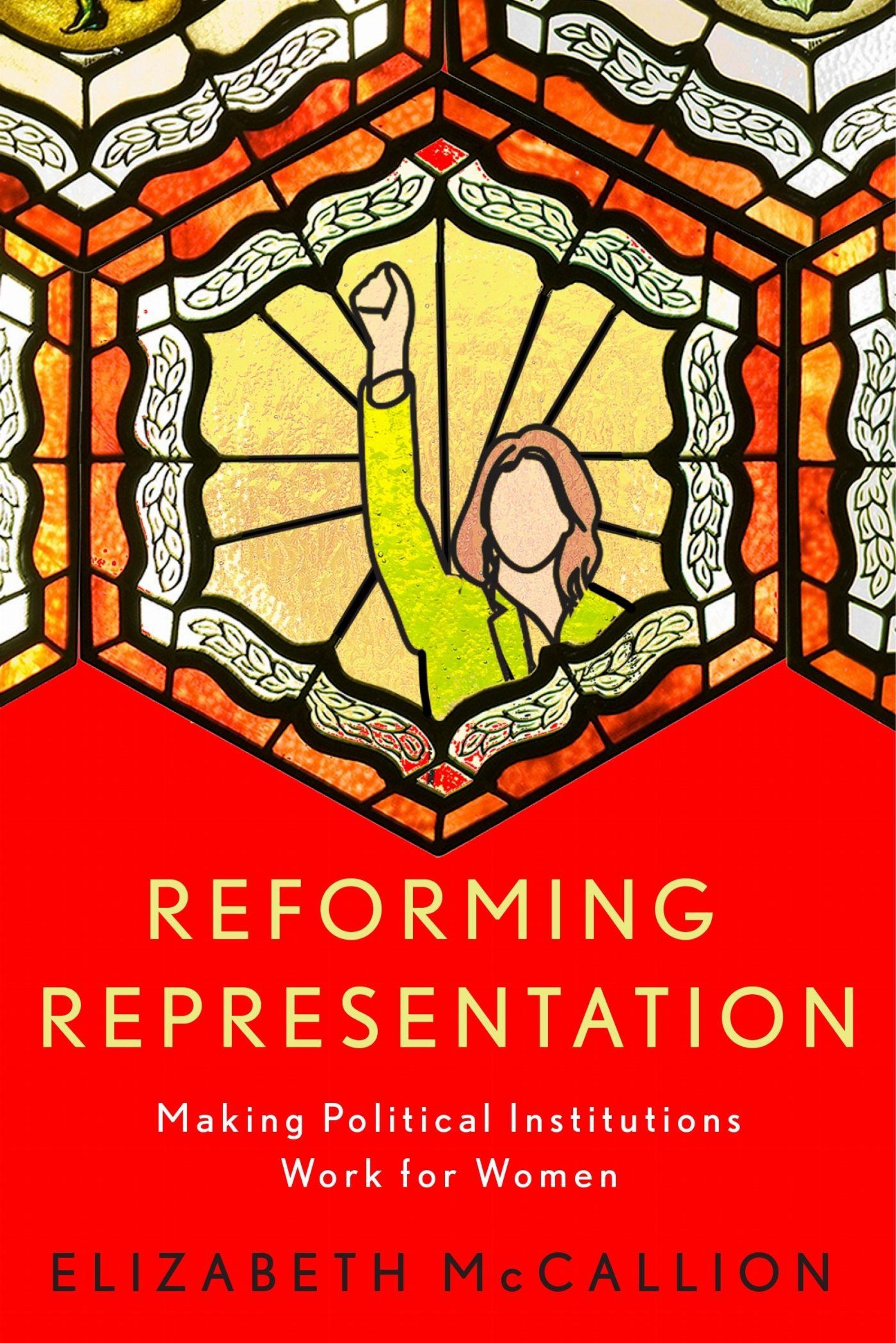
Reforming Representation
- Making Political Institutions Work for Women
Sie können den Titel schon jetzt bestellen. Versand an Sie erfolgt gleich nach Verfügbarkeit.
- Verlag:
- McGill-Queen's University Press, 01/2027
- Einband:
- Kartoniert / Broschiert
- Sprache:
- Englisch
- ISBN-13:
- 9780228030355
- Artikelnummer:
- 12798084
- Umfang:
- 248 Seiten
- Erscheinungstermin:
- 19.1.2027
- Hinweis
-
Achtung: Artikel ist nicht in deutscher Sprache!
Klappentext
Politicians shape women's everyday lives in significant ways. Yet in elected legislatures, party discipline can sideline politicians' efforts to respond to women's concerns, limiting meaningful representation. Institutional design, however, can be refined to improve politicians' responsiveness. Using the distinctive case of the Canadian Senate, Reforming Representation shows how changes to legislative rules can reshape behaviour, enabling more effective advocacy for women's interests.
Engaging a feminist institutionalist lens, Elizabeth McCallion examines representation in an environment with low party discipline, asking whether legislators there are freer to respond to women's interests. In 2015, the Senate changed its appointment process from a partisan system to a merit-based selection process, leading to an influx of independent senators. Freed from party discipline and electoral pressures, senators -- whether novice or experienced -- exercised greater autonomy, and many showed increased responsiveness to women and other marginalized groups whose preferences are often overshadowed by majority rule in the House of Commons. Through revealing interviews and a rich analysis of committee discourse and amendment behaviour, McCallion demonstrates how changes to institutional rules can make legislators more willing -- and more able -- to represent women's interests.
Reforming Representation challenges the idea that institutions are static. The book offers a clear and compelling argument that institutions can be intentionally redesigned to make political systems more responsive to civil society.