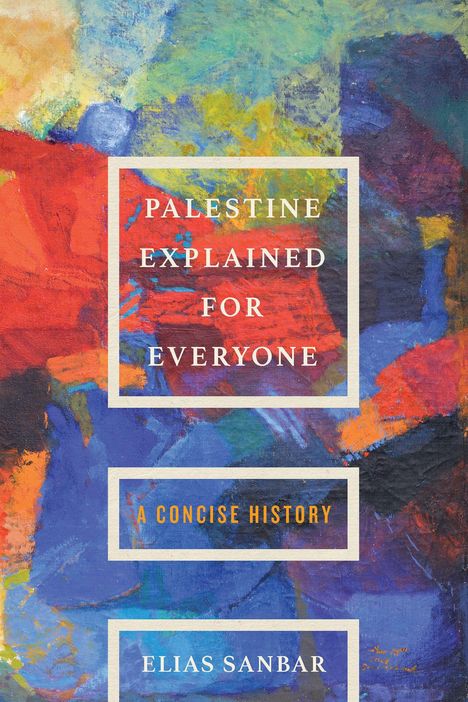
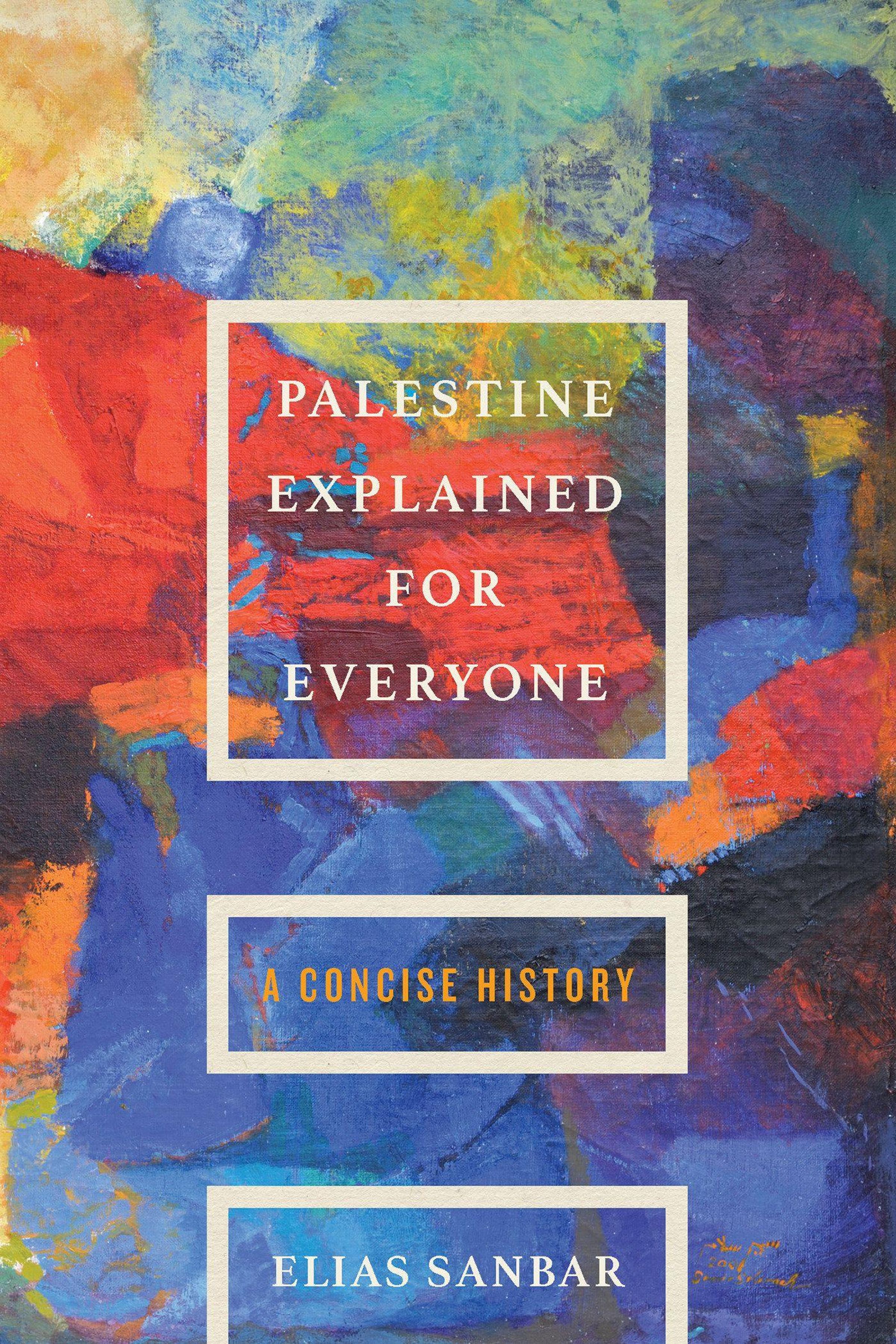
Elias Sanbar: Palestine Explained for Everyone, Kartoniert / Broschiert
Palestine Explained for Everyone
- A Conversation
Sie können den Titel schon jetzt bestellen. Versand an Sie erfolgt gleich nach Verfügbarkeit.
- Übersetzung:
- Willard Wood
- Verlag:
- Other Press (NY), 01/2027
- Einband:
- Kartoniert / Broschiert
- Sprache:
- Englisch
- ISBN-13:
- 9781635426281
- Artikelnummer:
- 12697573
- Umfang:
- 112 Seiten
- Gewicht:
- 367 g
- Erscheinungstermin:
- 12.1.2027
- Hinweis
-
Achtung: Artikel ist nicht in deutscher Sprache!
Klappentext
An eminent historian and diplomat answers fundamental questions about Palestine in this powerful, accessible account of its struggle for rights and recognition from the late 19th century to today.
The history of Palestine---the cradle of the three monotheistic faiths---dates back to that of the "people of the Holy Land," which is why everyone senses, however vaguely, that the fate of the world is being played out there. In 1948 the creation of the State of Israel thrust the region into the global spotlight for decades to come. That spotlight has burned even more intensely since October 7, 2023, and the war currently ravaging Gaza.
Elias Sanbar, a leading intellectual figure of the Palestinian national movement who served as a negotiator for the Oslo Peace Accords, places these events within the continuum of a history that countless commentaries have distorted or suppressed: the vibrant, multifaceted society that existed prior to the British Mandate and the Zionist project; the expulsions of 1948; the Palestinian resistance; and the repeatedly obstructed paths toward recognition and a two-state coexistence. Palestine is also the story of a country that its people carried with them into exile---and of a long struggle that, despite the crushing oppression of the present moment, is far from over.