Douglas W Richmond: Carranza's Victory, Gebunden
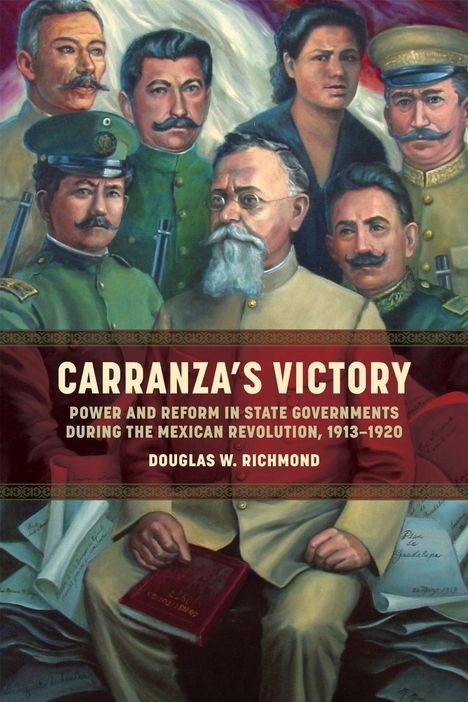
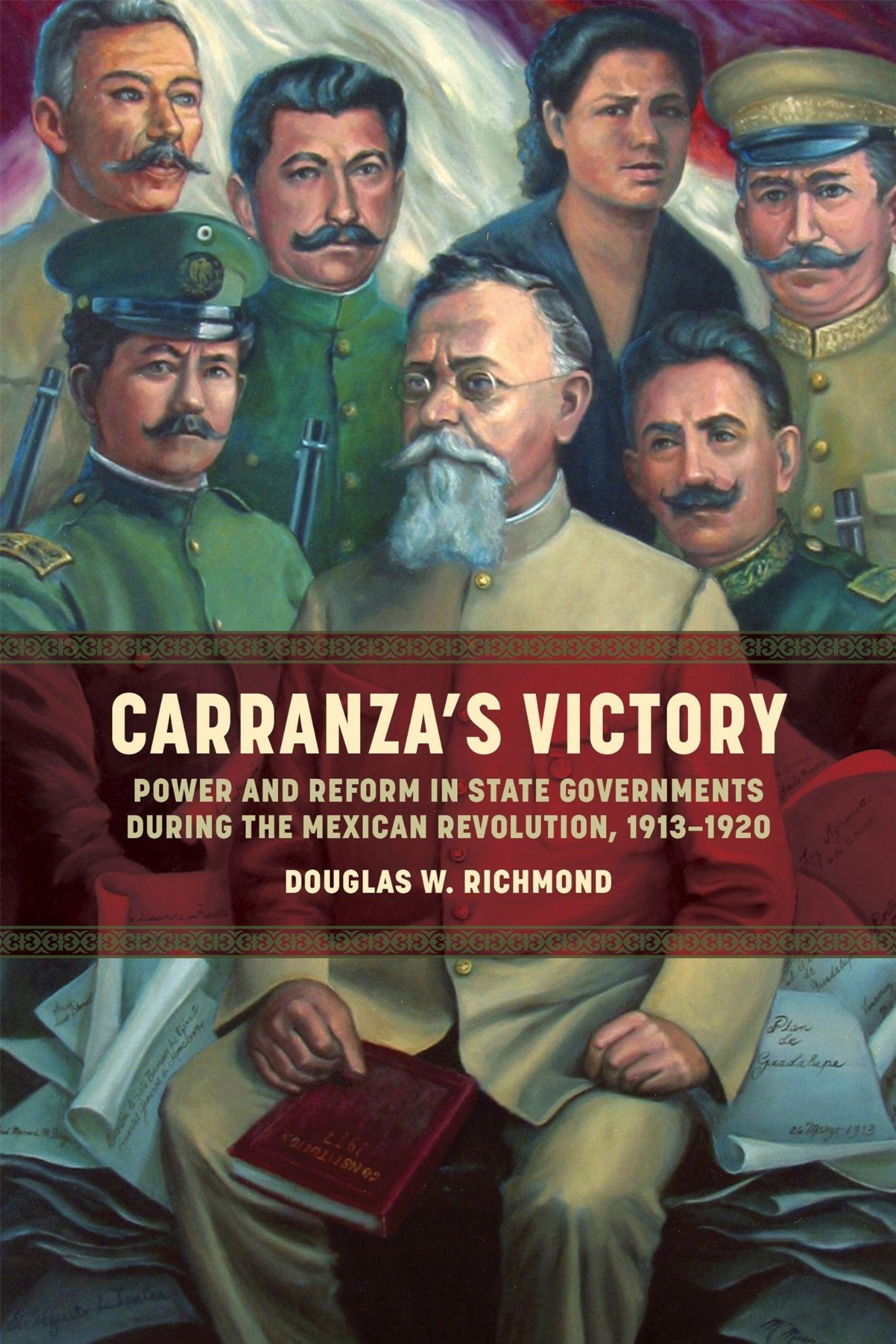
Carranza's Victory
- Power and Reform in State Governments During the Mexican Revolution, 1913-1920
(soweit verfügbar beim Lieferanten)
- Verlag:
- Louisiana State University Press, 09/2026
- Einband:
- Gebunden
- Sprache:
- Englisch
- ISBN-13:
- 9780807187111
- Artikelnummer:
- 12688797
- Umfang:
- 454 Seiten
- Gewicht:
- 789 g
- Maße:
- 229 x 152 mm
- Stärke:
- 30 mm
- Erscheinungstermin:
- 8.9.2026
- Hinweis
-
Achtung: Artikel ist nicht in deutscher Sprache!
Klappentext
Carranza's Victory recounts the processes by which state governments loyal to President Venustiano Carranza worked to defeat his rivals and consolidate the carrancista regime during the Mexican Revolution. Combining seventeen studies of state governments with larger considerations of national politics, Douglas W. Richmond establishes why Carranza's forces triumphed over his more widely lauded villista and zapatista rivals. Drawn from decades of research on a notoriously fraught period of Mexican history, this book offers a significant reinterpretation of the decade-long civil war that changed Mexico dramatically. Previous accounts overlook Carranza's successes despite his victory over Victoriano Huerta, Pancho Villa, and Emiliano Zapata. Richmond's detailed study describes how individuals in the north, center, and southeast of Mexico supported Carranza and his governors, helping his regime remain in power. All the factions that emerged by 1915 began as regional movements; the carrancistas spread successfully beyond their Coahuila power base to gain the support of working-class, rural, and middle-class groups. In his analysis, Richmond focuses on seventeen state governments with discussions of land reform, labor unrest, anti-foreign resentments, progressive social movements, and religious conflicts. Early chapters describe Carranza's rise to power in Coahuila, where he established reformist credentials, then detail his victory over dictator Huerta as well as the revolutionary leaders Villa and Zapata. Subsequent chapters explain how Villa's Chihuahua stronghold collapsed under the weight of carrancista political and military leadership. A counterpoint emerges in the account of Carranza's bloody and often frustrated effort to subdue the zapatistas in Morelos. Later chapters analyze social reforms enacted by carrancista governments, such as Salvador Alvarado's expansion of educational opportunities in Yucatán. With trenchant analysis and narrative candor, Carranza's Victory reveals the extent to which Carranza governed as an authoritarian president who advocated reformism and fought vice, as his state governments varied between implementing socioeconomic reforms and acting with brute force.