Darin DeWitt: How Lincoln Won, Gebunden
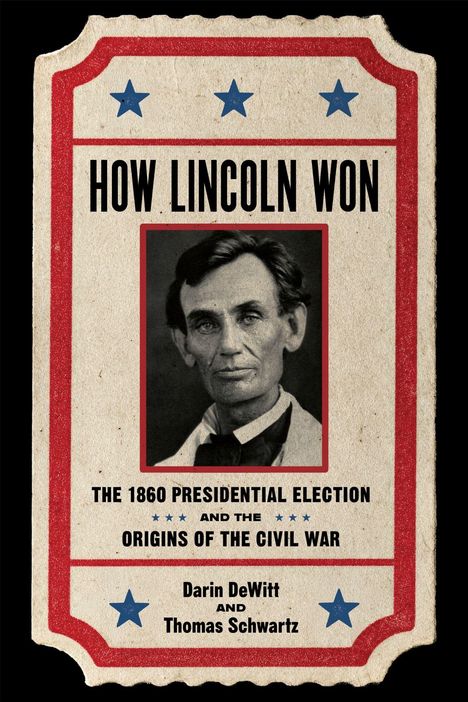
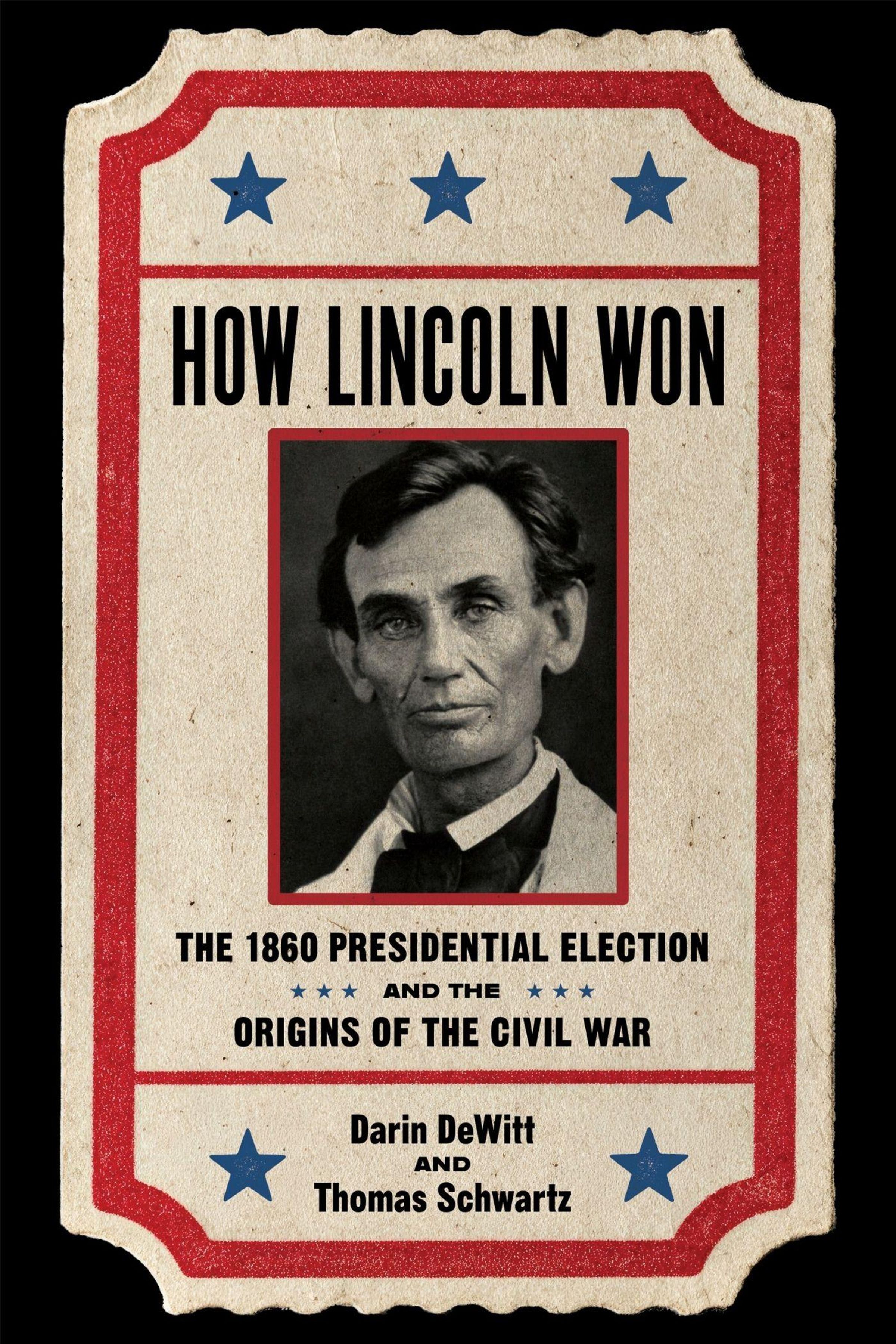
How Lincoln Won
- The 1860 Presidential Election and the Origins of the Civil War
(soweit verfügbar beim Lieferanten)
- Verlag:
- Louisiana State University Press, 09/2026
- Einband:
- Gebunden
- Sprache:
- Englisch
- ISBN-13:
- 9780807186954
- Artikelnummer:
- 12688656
- Umfang:
- 278 Seiten
- Gewicht:
- 463 g
- Maße:
- 229 x 152 mm
- Stärke:
- 19 mm
- Erscheinungstermin:
- 23.9.2026
- Hinweis
-
Achtung: Artikel ist nicht in deutscher Sprache!
Klappentext
In their Pulitzer Prize-winning books, Doris Kearns Goodwin and James M. McPherson argue that Abraham Lincoln became a master strategist during his presidency. But even before he became president, Lincoln was adept at recognizing and exploiting strategic opportunities. In How Lincoln Won, Darin DeWitt and Thomas Schwartz show that Lincoln's strategy of division and conquest, cleverly designed and artfully executed over two years, not only secured his victory in America's most consequential presidential election but also helped establish the Republican Party as the nation's second major political party. By 1858, Lincoln had grasped three essential truths. First, the Republican Party's moral opposition to the expansion of slavery commanded only minority support among the electorate. Second, in every presidential election since 1844, one party had won because the other had split on the slavery issue. Third, the Republican Party could win the presidency--without compromising its principled opposition to slavery's expansion--if it turned this recurring pattern into a deliberate strategy, that of division and conquest on the overriding issue of slavery. Lincoln employed this strategy during the 1858 debates for the U. S. Senate seat from Illinois. There, Lincoln repeatedly trapped his opponent into taking new and moderate positions on slavery that fractured the Democratic Party. As a direct result of those concessions, rival Democratic tickets were fielded--first in Illinois in 1858 and then nationwide in 1860. Besides dividing votes, this split decimated the Democratic Party's campaign machinery, making it exceedingly difficult for either faction to mobilize supporters or persuade marginal voters. Absent this division, Illinois Republicans would not have swept statewide offices in 1858, nor would Lincoln have won the presidency in 1860. Lincoln prevailed not only because he devised a clever strategy and executed it skillfully but also because history had positioned him and his allies to profit from it. In the end, his achievement reveals a novel model of transformative political change--one driven by strategic party division rather than by efforts of persuasion, moderation, or changing the issue agenda.