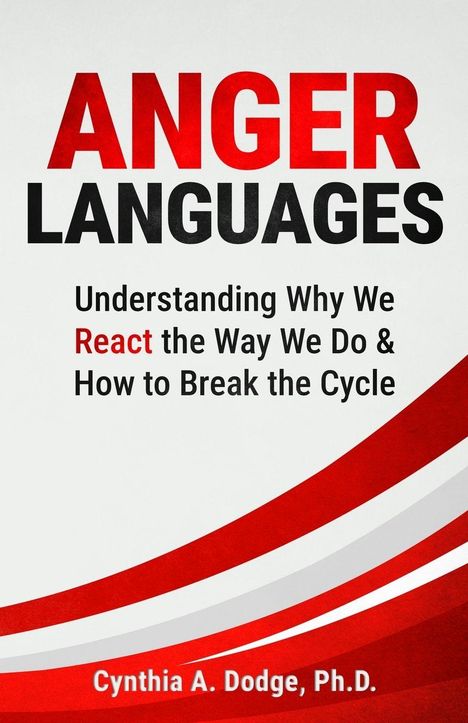
Cynthia A Dodge: Anger Languages Understanding Why We React the Way We Do & How to Break the Cycle, Kartoniert / Broschiert
Anger Languages Understanding Why We React the Way We Do & How to Break the Cycle
(soweit verfügbar beim Lieferanten)
- Verlag:
- Smudge Publications, 05/2026
- Einband:
- Kartoniert / Broschiert
- Sprache:
- Englisch
- ISBN-13:
- 9798995738404
- Artikelnummer:
- 12720590
- Umfang:
- 180 Seiten
- Gewicht:
- 213 g
- Maße:
- 216 x 140 mm
- Stärke:
- 10 mm
- Erscheinungstermin:
- 19.5.2026
- Hinweis
-
Achtung: Artikel ist nicht in deutscher Sprache!
Klappentext
You don't just "get angry." You express anger in patterns- patterns that shape your relationships, your reactions, and your sense of control.
Concept Introduction
In Anger Languages, psychotherapist, Cynthia A. Dodge, Ph. D. presents a compelling new framework: anger is not a single emotion, but a set of learned, repeatable patterns- distinct "languages" through which distrjess is expressed and managed.
Some people explode. Others withdraw. Some retaliate. Others carry the weight of guilt that was never theirs to hold. Each of these is an anger language.
What Readers Will Learns
This book helps you: Identify your dominant anger patterns. Understand how early experiences shape emotional responses. Recognize how anger operates in relationships - not just within individuals. See the hidden costs of unexamined patterns Begin shifting from automatic reaction to intentional response
Pattern Overview
Inside, you'll explore: Passive anger that resists through silence and withdrawal. Explosive anger that escales rapidly and disrupts connection. Retaliatory anger that holds, tracks, and repays. Guilt-inducing anger that shifts responsibility onto others. Guilt-absorbing pattersn that turn anger inward. Anger as a worldview that shapes perception itself.
Grounded in clinical insight and written with clarity and depth, Anger Languages moves beyond simple anger management strategies. It offers a structured way to understand why anger tkes the form it does and how those patterns can change.
Change does not begin with control. It begins with recognition. Once you can see the pattern, you are no longer fully inside it.