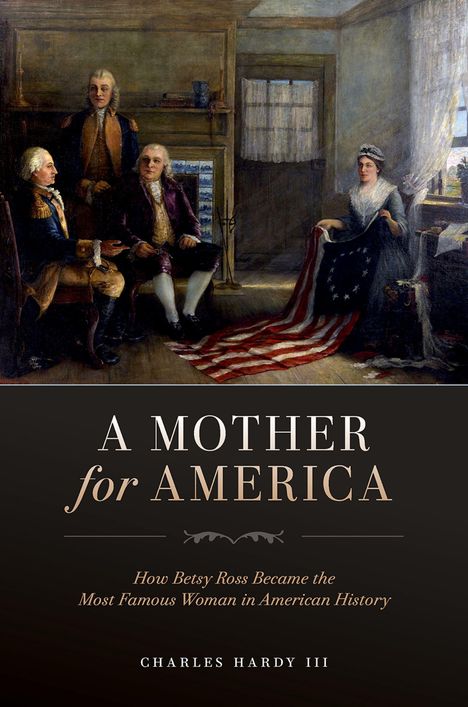
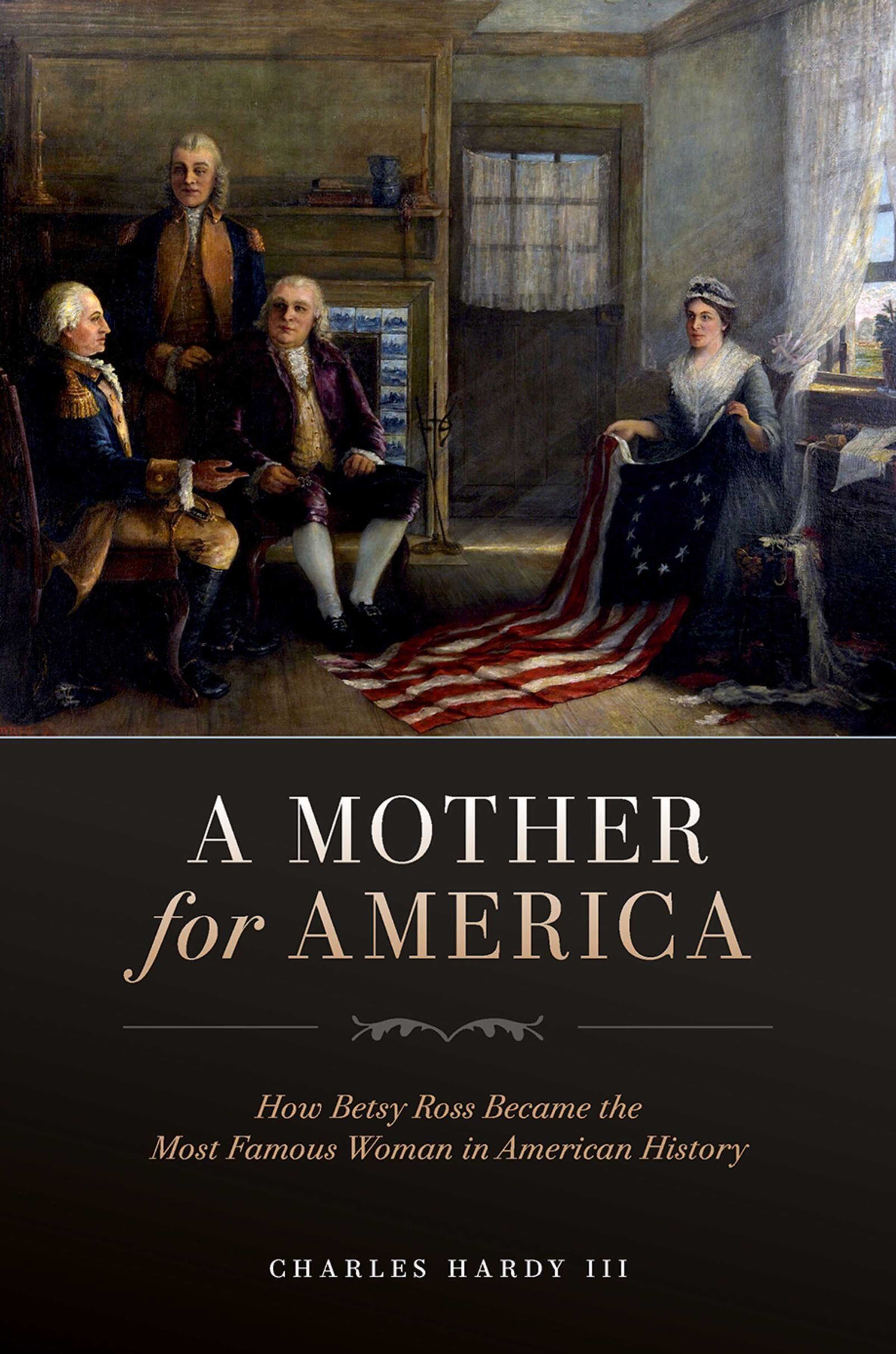
Charles Hardy III: A Mother for America, Gebunden
A Mother for America
- How Betsy Ross Became the Most Famous Woman in American History
Sie können den Titel schon jetzt bestellen. Versand an Sie erfolgt gleich nach Verfügbarkeit.
- Verlag:
- Oxford University Press Inc, 11/2026
- Einband:
- Gebunden
- Sprache:
- Englisch
- ISBN-13:
- 9780197835449
- Artikelnummer:
- 12756937
- Umfang:
- 352 Seiten
- Erscheinungstermin:
- 30.11.2026
- Hinweis
-
Achtung: Artikel ist nicht in deutscher Sprache!
Klappentext
A Mother for America tells the remarkable story of how Philadelphia Quaker Betsy Ross, unknown beyond her family until 1870, became one of the most famous women in US history, despite sustained scholarly skepticism about her role in making the first American flag. Charles Hardy III traces the transformation of family memory into historical "fact" by her grandson in 1870 and shows how artists, teachers, marketers, reformers, and politicians repeatedly refashioned Betsy Ross to promote competing visions of patriotism, gender roles, citizenship, and national identity--and to sell goods and make money.
A parallel narrative follows the controversial transformation of a small colonial Philadelphia rowhouse from a beer saloon into a patriotic shrine, tourist destination, and then as the nation's first historic house museum, The Betsy Ross House, devoted to women's labor during the era of the American Revolution. From schoolrooms and civic pageants to world fairs, war-bond drives, thirteen-star flags, and mass advertising, Betsy Ross emerged as a flexible and emotionally powerful symbol.
Drawing on religious and art history, anthropology, memory studies, and quantitative studies of fame, A Mother for Americaexplains not only how the Betsy Ross story spread so quickly, but why it has proved so resilient--and why her cultural prominence has declined since the 1970s. By uncovering the mechanisms through which national myths are made, marketed, contested, and sustained, this book reveals how belief, repetition, and emotional attachment often matter more than evidence in shaping Americans' understanding of their history--and why certain stories endure long after historians have raised their doubts.