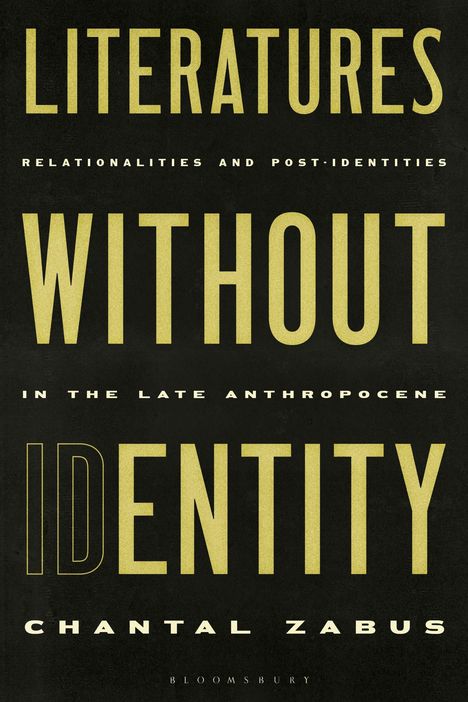
Chantal Zabus: Literatures Without Identity, Gebunden
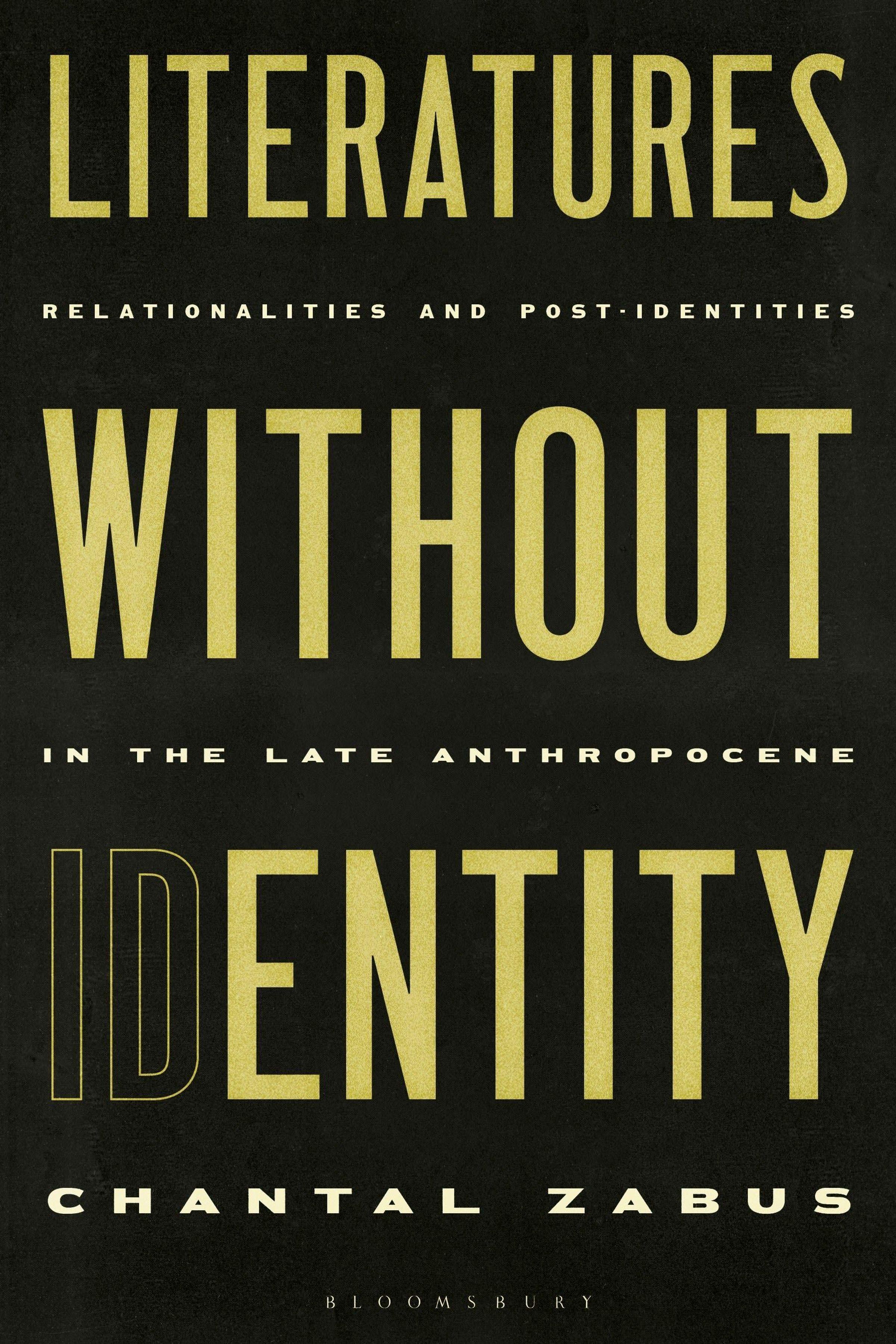
Literatures Without Identity
- Relationalities and Post-Identities in the Late Anthropocene
Sie können den Titel schon jetzt bestellen. Versand an Sie erfolgt gleich nach Verfügbarkeit.
- Verlag:
- Bloomsbury Academic, 02/2027
- Einband:
- Gebunden
- Sprache:
- Englisch
- ISBN-13:
- 9798216382706
- Artikelnummer:
- 12709328
- Umfang:
- 272 Seiten
- Gewicht:
- 454 g
- Maße:
- 229 x 152 mm
- Stärke:
- 25 mm
- Erscheinungstermin:
- 4.2.2027
- Hinweis
-
Achtung: Artikel ist nicht in deutscher Sprache!
Weitere Ausgaben von Literatures Without Identity |
Preis |
|---|---|
| Buch, Kartoniert / Broschiert, Englisch | EUR 39,15* |
Klappentext
Chantal Zabus d evelops the notion of 'post-identity' and documents the gradual dissolution of the traditional pillars of identity formation through readings of postcolonial, Indigenous and diasporic literature.
Literatures without Identity argues that the four bastions of identity formation have been ousted by enhanced 'relationalities' in postcolonial, Indigenous and diasporic literature at the beginning of the 21st century. In this new world of culture, writers have denounced the fixed and impermeable: The mother tongue and the monolingual paradigm in favor of the post-monolingual. The notion of 'race' extended to speciesism has been transplanted by post-racial and interspecies identities. The binding 'religion' of an individual has become the transnational. And the male / female binary has given way to preferred gendered identities.
Encompassing a wide range of global literature from North America and Africa to Australasia, Chantal Zabus demonstrates how contemporary writers have opted for interconnected histories and mobilities, extended selves, interspecies 'kinnings' and the porosity of state borders through refugeeism and other divergent crossings.
Literatures without Identityprovokes imaginative leaps and conversations across cultures around the shifts in identity formation in the late 20th and early 21st centuries while grounding itself in analog cultural productions as well as digital, anthropological and philosophical texts. It anticipates the advent of the 'late' Anthropocene and a future beyond racial classification, human exceptionalism and mass destruction.