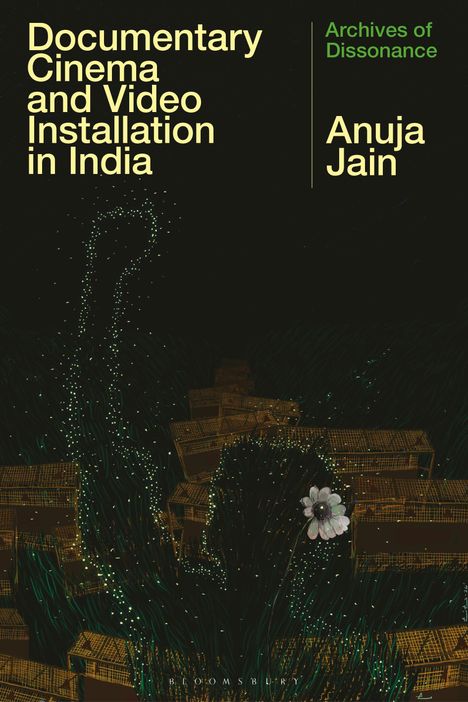
Anuja Jain: Documentary Cinema and Video Installation in India, Gebunden
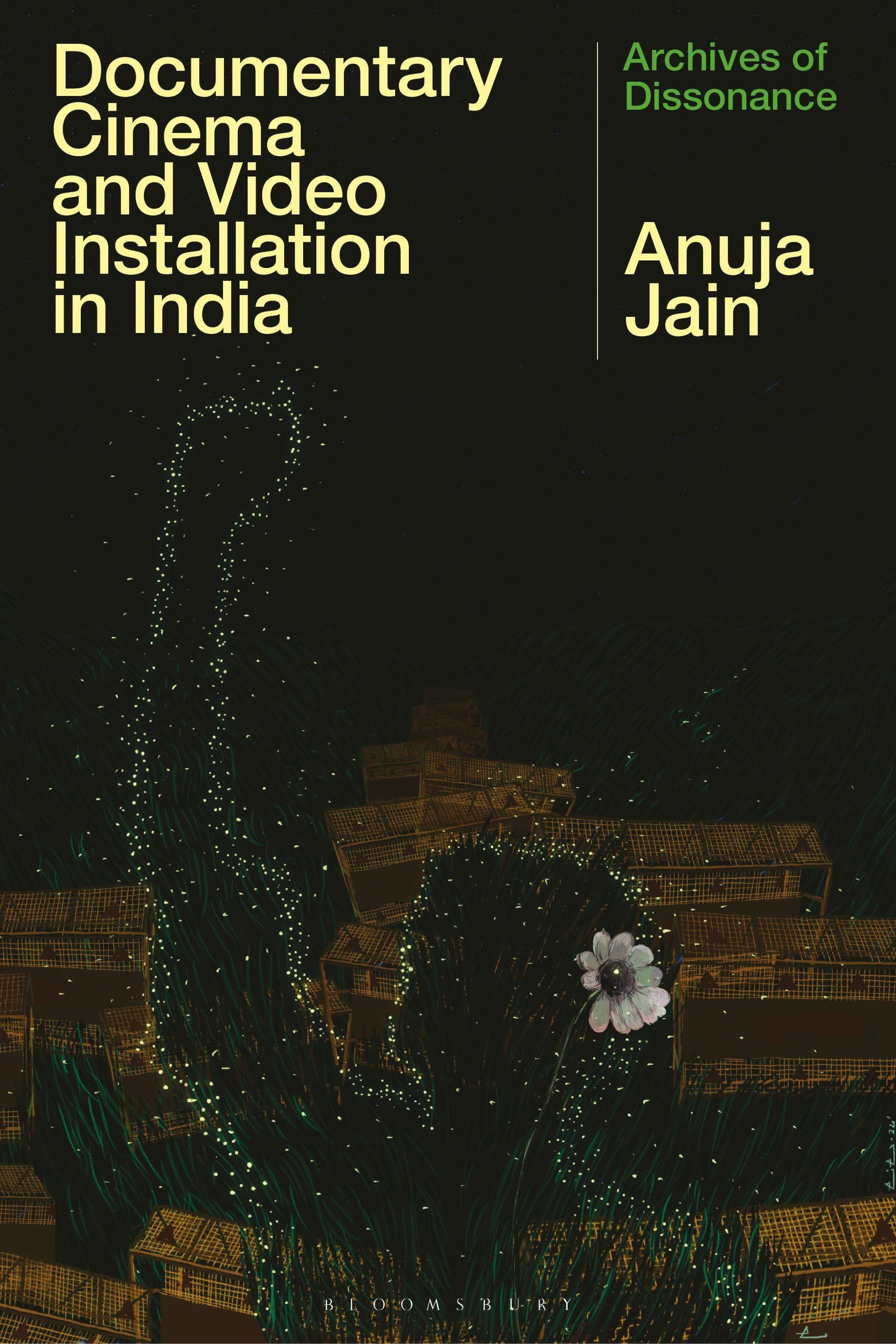
Documentary Cinema and Video Installation in India
- Archives of Dissonance
Lassen Sie sich über unseren eCourier benachrichtigen, sobald das Produkt bestellt werden kann.
- Verlag:
- Bloomsbury Publishing plc, 02/2027
- Einband:
- Gebunden
- Sprache:
- Englisch
- ISBN-13:
- 9781350602830
- Umfang:
- 272 Seiten
- Gewicht:
- 387 g
- Maße:
- 234 x 156 mm
- Stärke:
- 14 mm
- Erscheinungstermin:
- 4.2.2027
- Hinweis
-
Achtung: Artikel ist nicht in deutscher Sprache!
Ähnliche Artikel


Klappentext
Focusing on independent political documentaries and video installations,Archives of Dissonance in Indian Cinema explores the forms of artistic resistance that emerged in response to the rise of militant right-wing nationalism in India from the early 1990s to the mid-2000s.
Anuja Jain revisits this era of India's transformation from a young postcolonial democracy to a rapidly globalising and radicalising nation-state, marked by escalating right-wing violence as seen in the Bombay riots of 1992-1993 and the 2002 Gujarat genocide. Set against this turbulent backdrop, she considers how filmmakers and video artists used their work as a site of political intervention. Jain analyses a broad range of political documentaries-including Ram Ke Naam ('In the Name of God', 1992), The Boy in the Branch (1993),I Live in Behrampada (1993), The Men in the Tree (2002), Unity in Diversity (2003),Lacuna in Testimony (2003), I Love My India (2003),Final Solution (2004), and Hindustan Hamara ('This Country Is Ours', 2014)-alongside previously unexplored materials such as such as state news transcripts, right-wing propaganda videos, government files, litigation records, censored media broadcasts, and rare video newsmagazines. In doing so, she argues that these filmmakers produced an 'archive of dissonance' that challenged official narratives and resisted state censorship.
Jain argues for the urgency of revisiting this turn of the century period from the vantage point of the present, reframing these resistant texts as 'living archives'-unfinished, ongoing, and globally resonant in an era marked by authoritarianism, brutal censorship, and contested notions of citizenship and belonging.