
Antonio de Gouvea: At the Court of the Shah, Gebunden
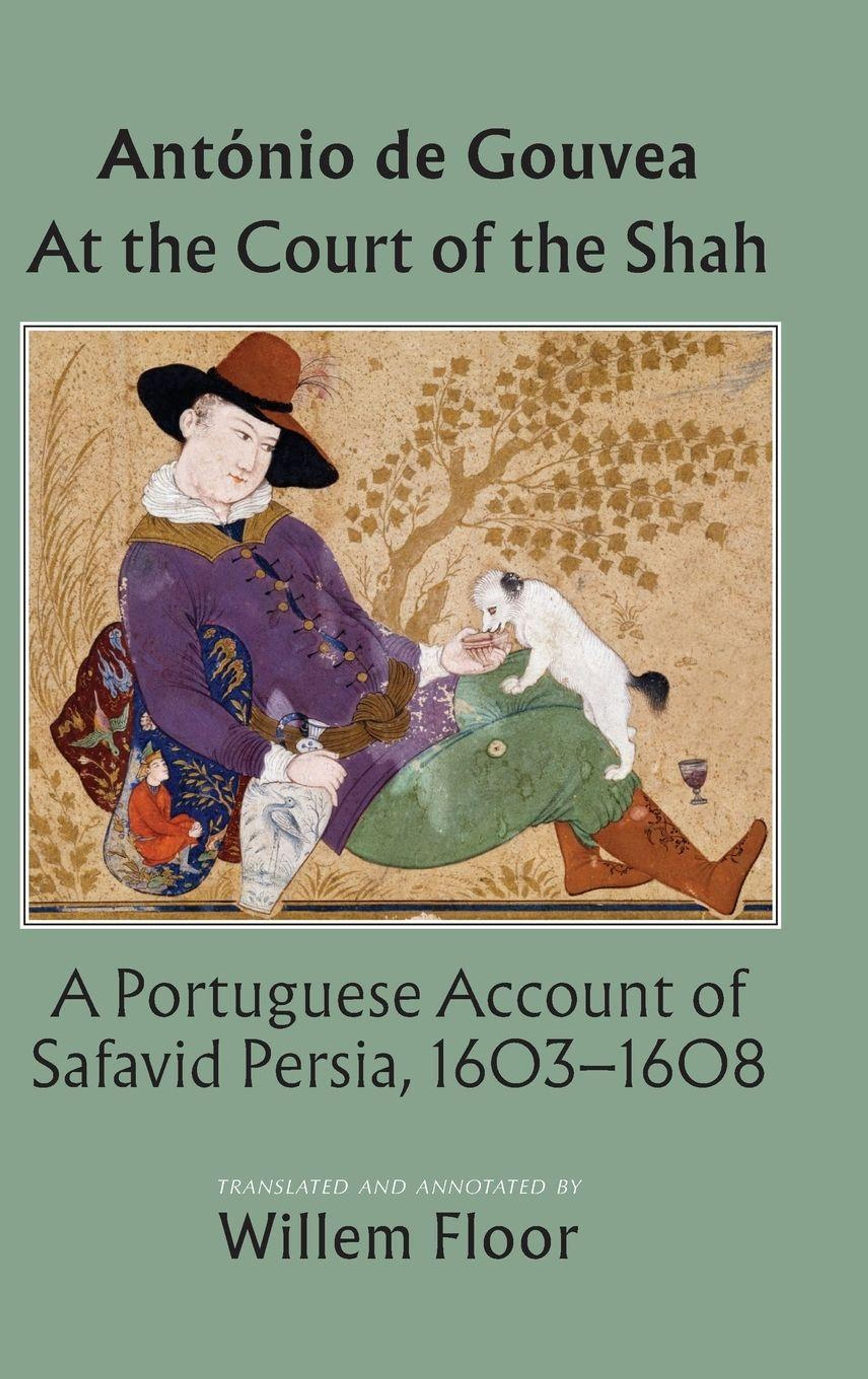
At the Court of the Shah
- A Portuguese Account of Safavid Persia, 1603-1608
(soweit verfügbar beim Lieferanten)
- Verlag:
- Mage Publishers, 03/2026
- Einband:
- Gebunden
- Sprache:
- Englisch
- ISBN-13:
- 9781949445978
- Artikelnummer:
- 12646619
- Umfang:
- 504 Seiten
- Gewicht:
- 880 g
- Maße:
- 234 x 156 mm
- Stärke:
- 32 mm
- Erscheinungstermin:
- 31.3.2026
- Hinweis
-
Achtung: Artikel ist nicht in deutscher Sprache!
Klappentext
In the early seventeenth century, as Safavid Persia, the Ottoman Empire, and the European powers maneuvered for dominance across Asia and the Mediterranean, an Augustinian friar from Portugal found himself at the very center of global diplomacy, war, and religious ambition. This remarkable narrative by António de Gouvea offers a rare, eyewitness account of Persia under Shah Abbas I, one of Iran's most formidable and transformative rulers. First published in Portuguese in 1611, At the Court of the Shah records de Gouvea's multiple journeys between Goa, Hormuz, and the Safavid court, his close encounters with the Shah, and his involvement in high-stakes negotiations linking Persia, Rome, Spain, and the wider Christian world. Blending travel narrative, court chronicle, military history, and missionary report, de Gouvea vividly recounts Shah Abbas's campaigns against the Ottomans, the reconquest of major cities, the forced relocation of Armenian populations, and the complex politics of trade-especially the struggle over silk routes and control of Hormuz. Alongside battles and embassies, the work provides invaluable observations on Persian governance, court ceremony, interreligious relations, and the lived experience of Armenians, Catholics, and other Christian communities within the Safavid realm. Translated and meticulously annotated by Willem Floor, this edition makes accessible one of the most important European sources for Safavid Iran. Floor's translation adheres closely to the original text while clarifying names, places, and events for modern readers, and his notes situate de Gouvea's account within the broader political, religious, and economic currents of the early modern world. At once a firsthand chronicle of empire and a personal story of ambition, faith, and peril, At the Court of the Shah is an essential source for historians of Iran, the Ottoman-Safavid wars, early modern diplomacy, and the first age of globalization.