Anne Dufourmantelle: Women and Sacrifice, Gebunden
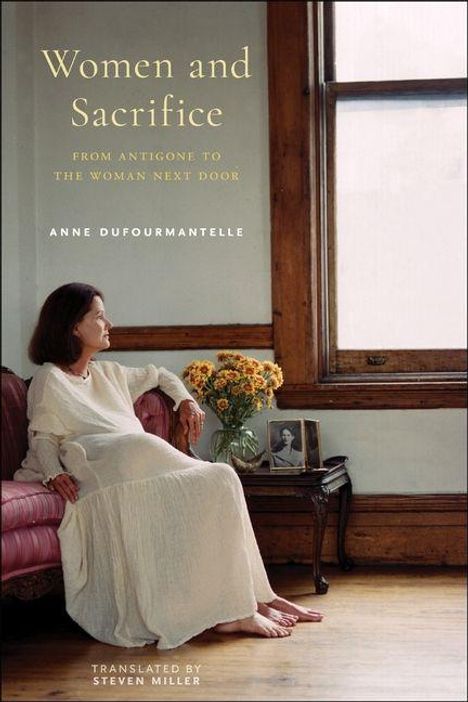
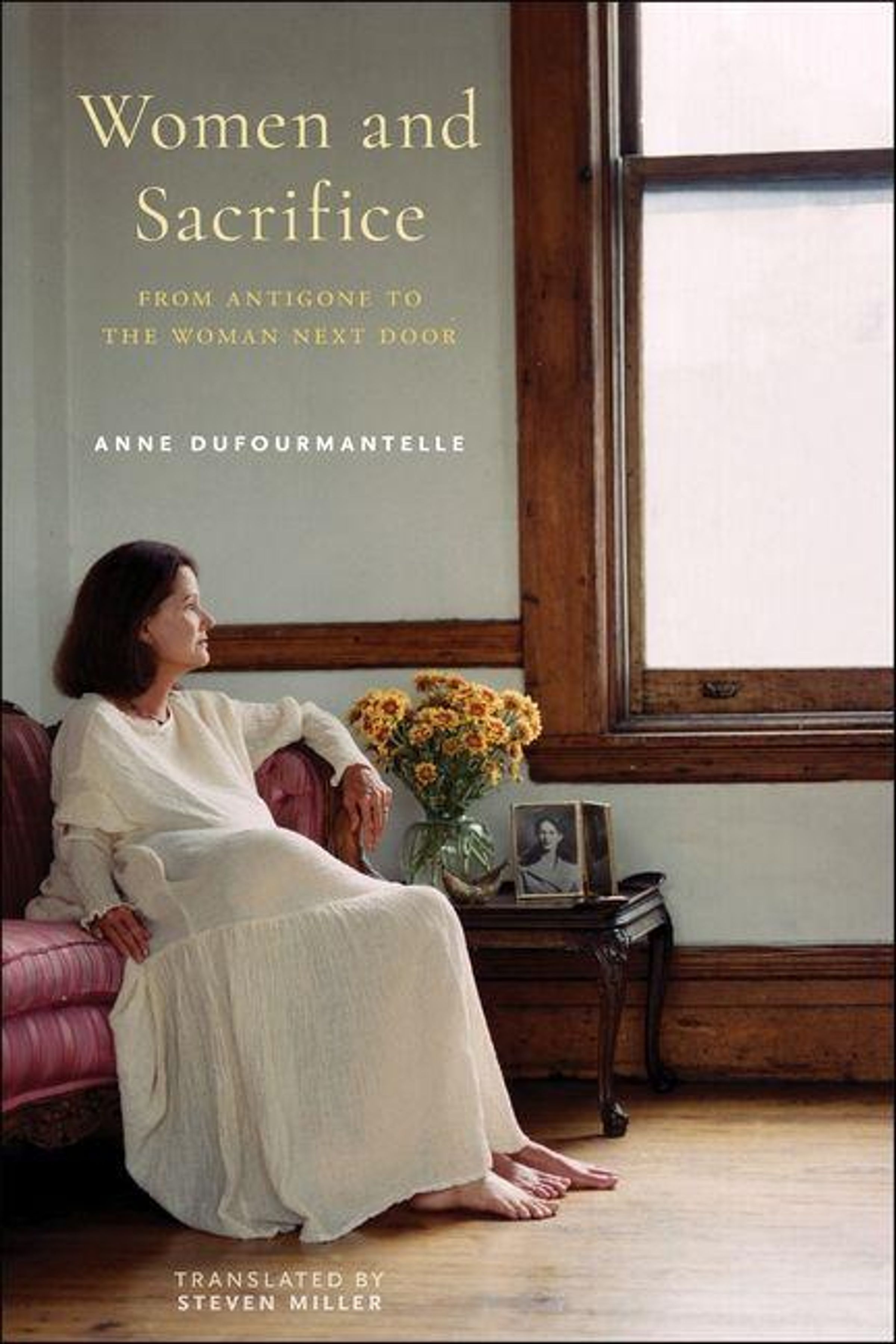
Women and Sacrifice
- From Antigone to the Woman Next Door
Lassen Sie sich über unseren eCourier benachrichtigen, sobald das Produkt bestellt werden kann.
- Übersetzung:
- Steven Miller
- Verlag:
- Fordham University Press, 07/2027
- Einband:
- Gebunden
- Sprache:
- Englisch
- ISBN-13:
- 9781531515782
- Umfang:
- 240 Seiten
- Erscheinungstermin:
- 6.7.2027
- Hinweis
-
Achtung: Artikel ist nicht in deutscher Sprache!
Weitere Ausgaben von Women and Sacrifice |
Preis |
|---|---|
| Buch, Kartoniert / Broschiert, Englisch | EUR 34,11* |
Ähnliche Artikel


Klappentext
Women have been sacrificed in the name of religion, politics, love, and motherhood. But how did sacrifice become so deeply bound to femininity in the Western imagination, and why does that bond persist?
In Women and Sacrifice , philosopher and psychoanalyst Anne Dufourmantelle brings the great sacrificial heroines of myth, religion, and literature into conversation with women whose struggles pass unnoticed. Antigone, Iphigenia, Medea, Iseult, and Joan of Arc appear alongside sisters, lovers, mothers, exiles, and the woman next door. Rather than treating tragic heroines as exceptional figures, Dufourmantelle shows how their stories illuminate the violence, silence, and impossible demands woven into ordinary women's lives.
Moving between psychoanalysis, tragedy, literature, current events, and case histories, Dufourmantelle develops what she calls a "quotidian mythology." She traces the sacrificial woman through the figures of the young girl, the lover, the mother, and the creator, examining the ideals of virginity and maternity, the pull of renunciation, and the costs of love, family obligation, and artistic creation. Sacrifice, in her account, is not simply oppression or heroic self-denial. It can also be an act of disobedience that brings buried trauma into view and opens a break in what had seemed like an inescapable fate.
Written in Dufourmantelle's evocative, essayistic style, Women and Sacrifice asks what ancient heroines still reveal about contemporary women and the pressures placed upon their bodies, desires, and choices. It offers a provocative account of the myths that continue to shape private suffering and collective life.